Best 3PL for Small Business: 7 Providers Compared
Choosing a 3PL for small business is one of the most consequential operational decisions an e-commerce brand can make. The right partner reduces shipping costs, accelerates delivery times and frees you to focus on growth. The wrong one locks you into hidden fees, slow communication and a fulfillment experience that damages your brand with every late or incorrect order.
The US 3PL market reached $323.4 billion in 2025 and continues to grow at roughly 5% year over year (Armstrong & Associates, 2026). With over 72,000 third-party logistics businesses operating in the United States (IBISWorld, 2024), the options can feel overwhelming. But for small e-commerce businesses, the field narrows quickly once you apply the criteria that actually matter at your stage.
This guide compares seven of the most recognized 3PL providers for small e-commerce businesses in 2026. Each is evaluated against the factors that make or break partnerships for growing brands: pricing transparency, account management quality, warehouse locations, delivery speed, and scalability.
Key Takeaways for the Best 3PL for Small Businesses
- The best 3PL for a small business is not the largest or cheapest. It is the one whose pricing model, support structure, and infrastructure align with your current needs and growth trajectory.
- Transparent pricing with no hidden fees is the single most important factor for small brands operating on tight margins.
- Dedicated account management (a real person, not a ticket queue) dramatically reduces issue resolution time and prevents costly fulfillment errors.
- Bi-coastal or multi-location warehouse coverage reduces average shipping zones and cuts delivery times to two to four days for most US addresses.
- Avoid providers that require high monthly minimums or long-term contracts unless your volume consistently supports them.
How We Evaluated These Providers
Not all 3PLs serve small businesses equally. Some are built for enterprise-scale operations and treat smaller accounts as afterthoughts. Others specialize in growing brands but lack the infrastructure to support you as you scale. We evaluated each provider against six criteria specifically relevant to small e-commerce businesses:
- Pricing transparency: Are all fees clearly communicated upfront with no surprise surcharges?
- Account management: Do you get a dedicated point of contact or are you routed to a general support queue?
- Warehouse locations: Can the provider reach most US customers within two to four business days via ground shipping?
- Dispatch speed: How quickly do orders leave the warehouse, and what is the daily cut-off time?
- Scalability: Can the provider handle your growth from 200 orders per month to 5,000 without requiring a migration?
- Service breadth: Does the provider offer value-added services like kitting, custom packaging, returns management, or product sourcing?
| Criteria | Why It Matters for Small Businesses | What to Watch For |
|---|---|---|
| Pricing Transparency | Small brands cannot absorb surprise fees; every dollar impacts margins | Hidden surcharges for peak season, special handling or storage overages |
| Dedicated Account Management | Fast issue resolution prevents costly fulfillment errors and customer complaints | General support queues with 24-48 hour response times |
| Warehouse Locations | Bi-coastal or multi-location coverage reduces shipping zones and per-package costs | Single-location providers that charge Zone 6-8 rates on cross-country shipments |
| Dispatch Speed | A late cut-off means an order placed today still ships today | Vague cut-off times, or orders that sit a day before they are picked |
| Scalability | Migrating 3PLs mid-growth is expensive and disruptive; choose a partner that scales | Providers that work at your current volume but cap out at 500-1,000 orders |
| Service Breadth | Kitting, custom packaging, returns and sourcing reduce vendor complexity | Basic pick-and-ship only with no value-added services |
The 7 Best 3PL Providers
1. DSCP Smart Fulfillment
Best for: Small to mid-size e-commerce brands that want transparent pricing, dedicated support and end-to-end service from sourcing to delivery.
DSCP Smart Fulfillment is a US-based 3PL and e-commerce fulfillment company built specifically for growing online brands. What sets DSCP apart from larger providers is the combination of personalized service and operational breadth that small businesses rarely get from a single partner.
Pricing is fully transparent with no hidden fees, no setup charges and no long-term contract requirements. Every cost is communicated before onboarding, and there are no surprise surcharges during peak season or for special handling. For small brands watching every dollar, this predictability is critical.
Every client receives a dedicated account manager who knows your products, your shipping patterns and your business goals. This is not a shared support desk. It is a direct point of contact who responds quickly and proactively identifies ways to reduce your shipping costs, including repackaging products to lower dimensional weight charges.
DSCP operates from two US warehouse locations: Pomona, California, and New Brunswick, New Jersey. This bi-coastal coverage enables two to four day ground delivery to the vast majority of US addresses, significantly reducing shipping zones and per-package costs compared to single-location providers.
Beyond standard pick-and-pack fulfillment, DSCP offers product sourcing and quality control, cross-border fulfillment, and 3PL warehousing with flexible storage that scales with seasonal demand. This end-to-end model means you can manage your entire supply chain, from manufacturer to customer doorstep, through a single partner rather than coordinating between multiple vendors.
Real people who answer when you call.
Warehouse locations: Pomona, CA, and New Brunswick, NJ. Best integrations: Shopify, WooCommerce, Amazon, multi-channel
2. ShipBob

Best for: DTC brands shipping lightweight products at scale that need a large warehouse network.
ShipBob is one of the most recognized names in e-commerce fulfillment, operating over 50 fulfillment centers across the US and internationally. Their technology platform provides real-time inventory tracking, order management and analytics across all locations. ShipBob integrates natively with Shopify, Amazon, WooCommerce, BigCommerce and dozens of other platforms.
The trade-off for small businesses is cost. ShipBob charges setup fees and has a $275 monthly fulfillment spend minimum under their Growth Plan. Pick-and-pack fees start at approximately $5 per order for the first item. At lower volumes, the per-order cost can be higher than that of smaller providers. ShipBob is strongest for brands already past the startup phase that are scaling toward 1,000 or more orders per month.
Warehouse locations: 50+ across the US, Canada, UK, EU, Australia. Minimum orders: $275/month fulfillment spend minimum. Best integrations: Shopify, Amazon, WooCommerce, BigCommerce, TikTok Shop
3. Amazon FBA (Fulfillment by Amazon)
Best for: Amazon-first sellers who prioritize Prime eligibility above all else.
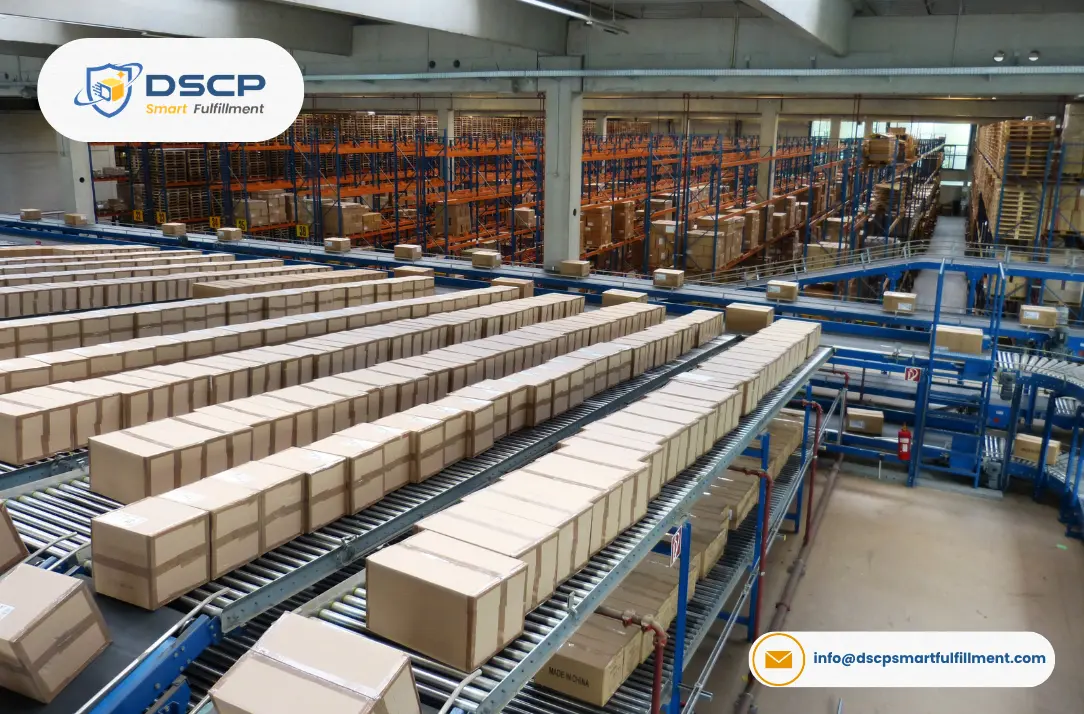
FBA is not a traditional 3PL, but it is the fulfillment method used by over 85% of Amazon sellers. Products stored in Amazon’s 110+ US warehouses become Prime-eligible, which significantly increases conversion rates on the platform. Amazon handles all picking, packing, and shipping with unmatched delivery speed.
The limitations are significant for small businesses. FBA only fulfills Amazon orders (Multi-Channel Fulfillment exists, but is expensive). All shipments go out in Amazon-branded packaging with no custom branding opportunity. Storage fees escalate sharply during Q4, and Amazon can impose inventory limits or change fee structures without notice. Many sellers use FBA for Amazon alongside a separate 3PL for DTC channels, creating a hybrid fulfillment model.
Warehouse locations: 110+ across the US. Minimum orders: None (but strict prep and labeling requirements). Best integrations: Amazon Seller Central
4. ShipMonk
Best for: Startups, subscription box brands and crowdfunding campaigns with irregular order patterns.
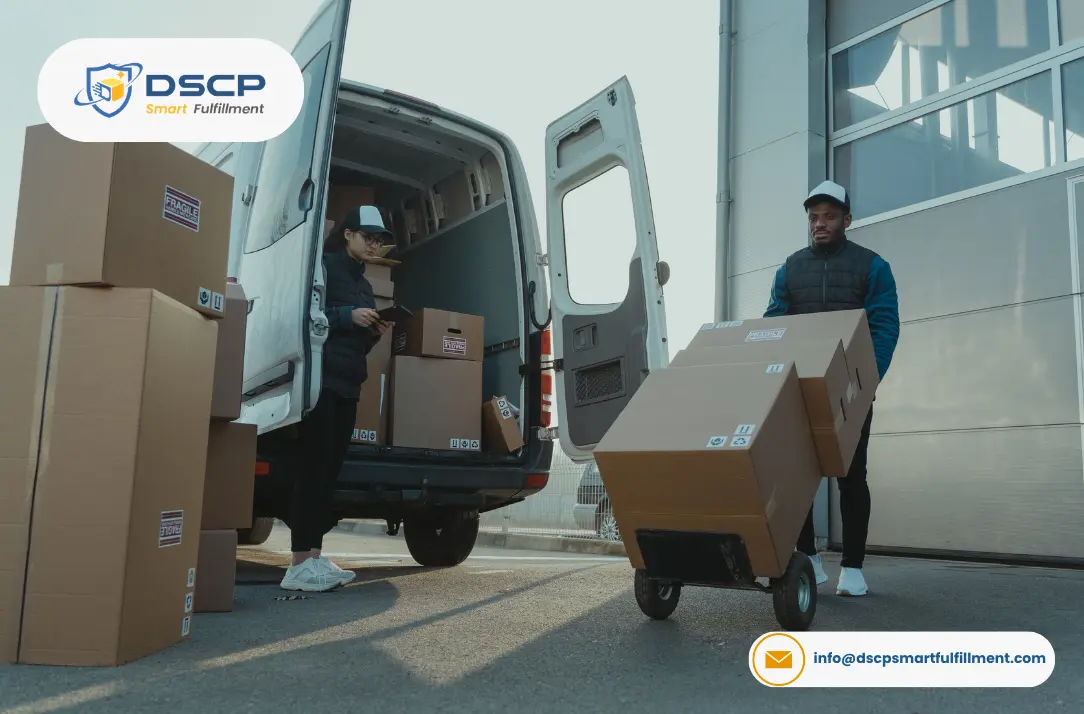
ShipMonk positions itself as the accessible 3PL for emerging e-commerce brands. With no minimum monthly order requirements and flexible contract terms, it is one of the few larger providers that does not penalize low-volume sellers. ShipMonk is particularly strong for subscription box fulfillment and kitting, offering customizable packaging workflows.
The platform integrates with Shopify, Amazon, Etsy, Groupon and other marketplaces. ShipMonk claims a 99.9% pick-and-pack accuracy rate. However, some users in e-commerce discussions on Reddit have noted that pricing can become less competitive as volume grows compared to providers with more warehouse density.
Warehouse locations: 12 fulfillment facilities across the US. Minimum orders: None. Best integrations: Shopify, Amazon, Etsy, WooCommerce, TikTok Shop
5. Red Stag Fulfillment

Best for: Brands shipping heavy, oversized, fragile, or high-value products.
Most 3PLs are optimized for lightweight consumer goods. Red Stag was founded specifically to handle the products that other providers struggle with: items over 10 pounds, oversized packages and high-value inventory that requires careful handling. They offer performance guarantees backed by financial penalties when they miss targets, a level of accountability rare in the industry.
Red Stag operates two strategically located warehouses in Knoxville, Tennessee and Salt Lake City, Utah, reaching 96% of the continental US within two days via ground shipping. The trade-off is a smaller network. If you sell small, lightweight products, Red Stag’s specialization is not optimized for your needs.
Warehouse locations: Knoxville, TN, and Salt Lake City, UT. Minimum orders: Varies (best for 200+ orders/month). Best integrations: Shopify, Amazon, eBay, BigCommerce
6. Shopify Fulfillment Network (SFN)
Best for: Shopify-native brands that want fulfillment managed within the same platform as their store.
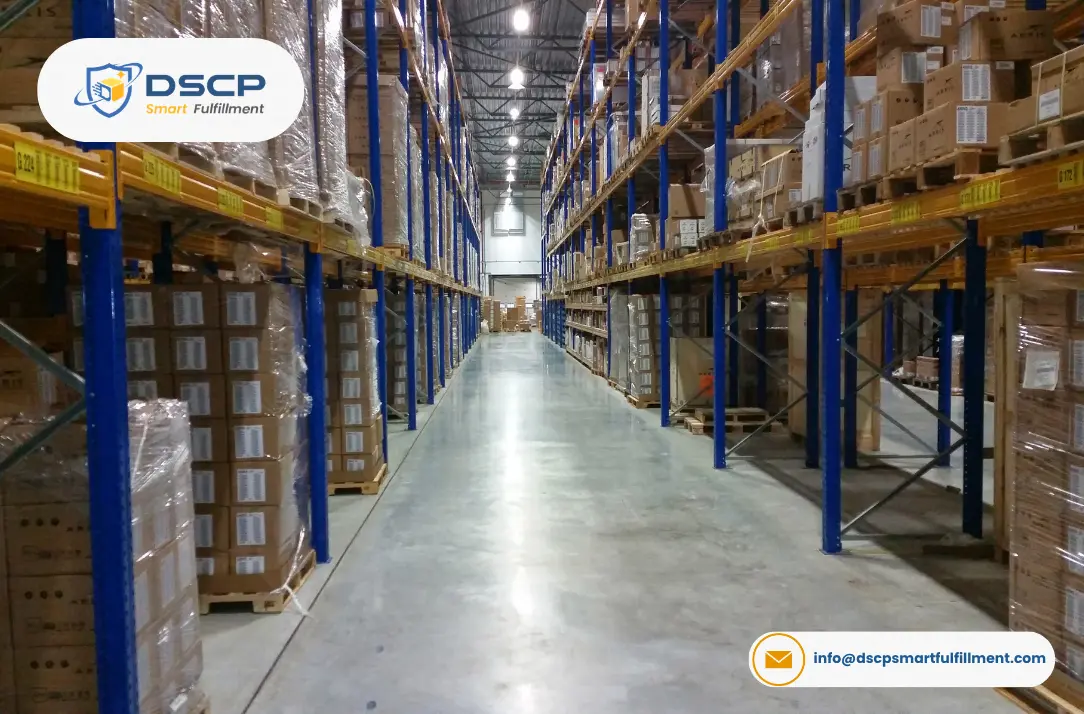
SFN is Shopify’s own fulfillment service, designed to integrate seamlessly with the Shopify ecosystem. If your entire business runs on Shopify, having fulfillment managed within the same platform as your store, marketing and analytics eliminates the friction of connecting to a separate 3PL system.
The network is still growing and does not yet match the scale of ShipBob or Amazon FBA. Custom packaging options are more limited, and pricing transparency is a noted concern: SFN provides custom quotes rather than published rate cards, making comparison shopping more difficult. For Shopify-first brands with straightforward fulfillment needs, it is worth evaluating.
Warehouse locations: Growing US network (smaller than ShipBob or FBA). Minimum orders: Custom quotes. Best integrations: Shopify (native)
7. eFulfillment Service
Best for: Very early-stage sellers and seasonal businesses that need maximum flexibility with zero commitments.
eFulfillment Service has been serving e-commerce brands for over 20 years with a straightforward value proposition: no setup fees, no long-term contracts and no minimum order requirements. For sellers who ship fewer than 100 orders per month or have highly seasonal demand, this flexibility is valuable.
The trade-off is scale and speed. eFulfillment operates from a smaller warehouse footprint, which can mean longer transit times to certain regions. Technology and reporting capabilities are more basic compared to providers like ShipBob or ShipMonk. It is a practical starting point for very early-stage businesses, but most brands outgrow it as volume increases.
Warehouse locations: Limited US locations. Minimum orders: None. Best integrations: Shopify, Amazon, WooCommerce, eBay
| Provider | Best For | US Warehouses |
|---|---|---|
| DSCP Smart Fulfillment | Small-to-mid brands wanting transparent pricing and end-to-end service | 2 (CA and NJ, bi-coastal) |
| ShipBob | DTC brands scaling past 1,000 orders/month | 50+ (US and international) |
| Amazon FBA | Amazon-first sellers needing Prime eligibility | 110+ (US) |
| ShipMonk | Startups, subscription boxes and crowdfunding | 12 (US) |
| Red Stag Fulfillment | Heavy, oversized or high-value products | 2 (TN and UT) |
| Shopify Fulfillment Network | Shopify-native brands wanting platform integration | Growing network |
| eFulfillment Service | Very early-stage and seasonal sellers | Limited |
How to Choose the Right 3PL for Your Business
The best 3PL is the one that fits your specific situation right now while having the capacity to grow with you. Here is a practical framework:
If you ship under 200 orders per month and need maximum flexibility, DSCP Smart Fulfillment is built for exactly that stage.
If Amazon is your primary sales channel (over 60% of revenue), FBA is almost always the right choice for Amazon orders. Use a separate 3PL for DTC and other channels.
If you sell heavy, oversized, or fragile products, Red Stag’s specialization and performance guarantees make it the strongest option for those specific product types.
If you need end-to-end support from sourcing through delivery, DSCP Smart Fulfillment is the only provider on this list that combines product sourcing, quality control, and US-based fulfillment under one roof.
If you are scaling rapidly past 1,000 orders per month and need a large warehouse network, ShipBob’s 50+ location infrastructure offers the broadest geographic coverage.
Ready to Find Your 3PL Partner?
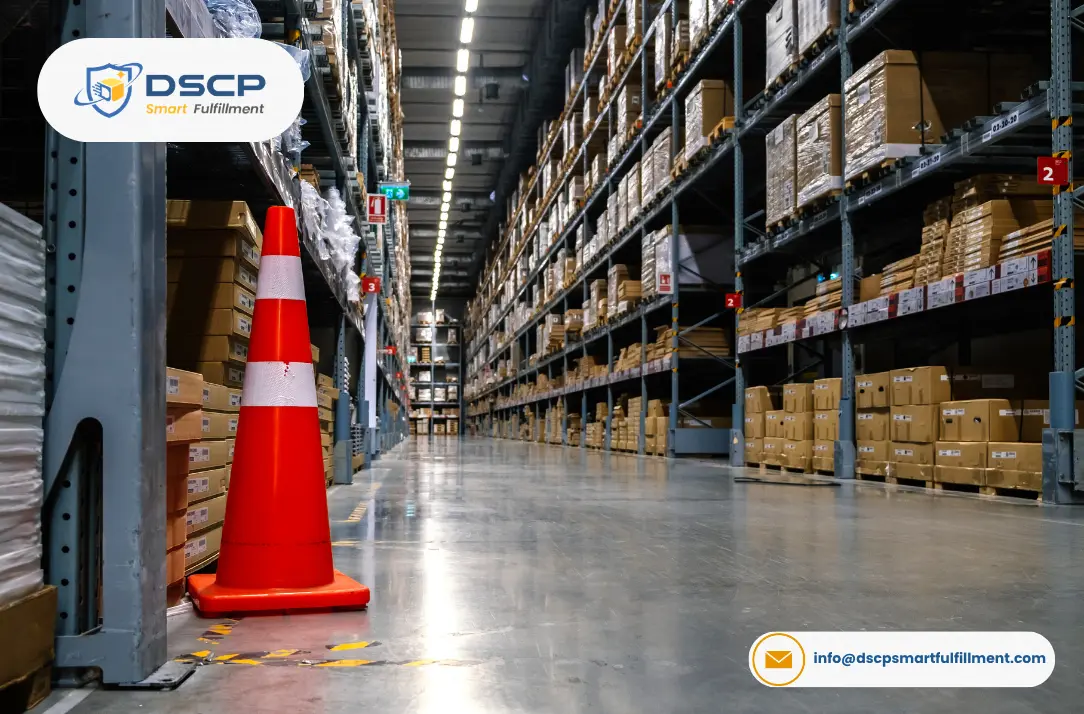
Choosing the right 3PL is not about finding the biggest name. It is about finding the right fit for your products, your volume and your growth goals. If you are looking for a fulfillment partner with transparent pricing, dedicated account management, and bi-coastal US coverage, get in touch with DSCP Smart Fulfillment to discuss your needs.
How to Offer Two-Day Shipping on Shopify
Two-day shipping is a geography problem, not a carrier problem. The three ways Shopify brands offer it, what each costs, and how to fund it without losing margin.
US vs China Fulfillment: Cost, Speed and Capital Compared
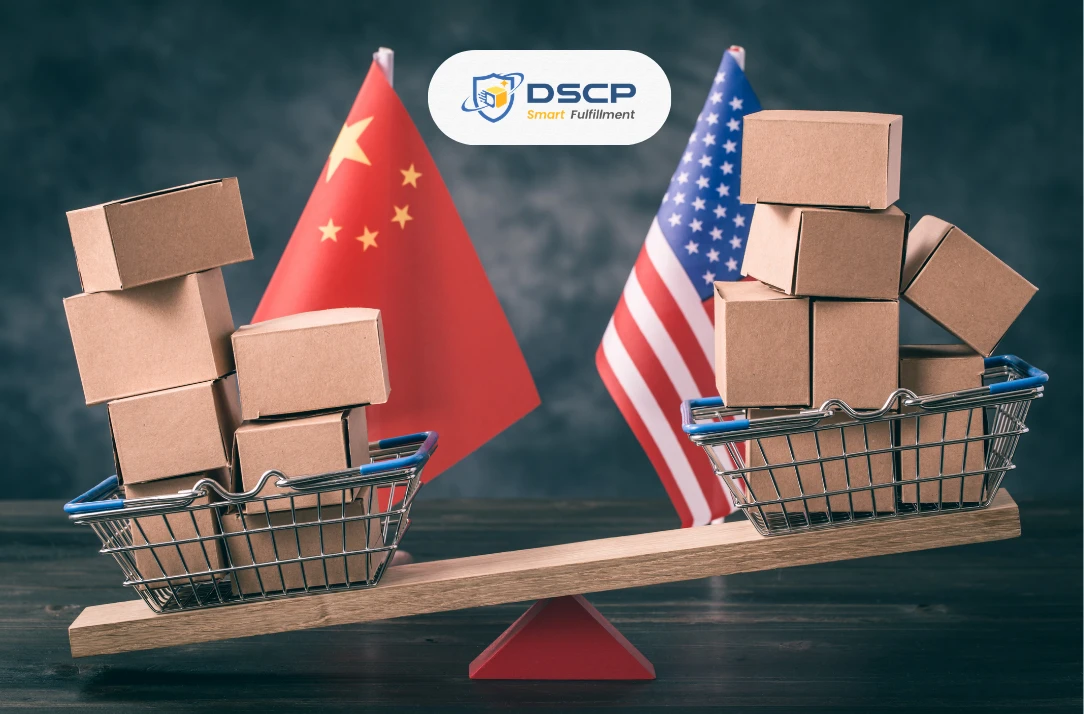
Most sellers assume China is cheaper. On our own orders it is not: for light items a US warehouse costs less per order and lands in 2 to 4 days instead of 7 to 12.