
Sourcing Products for Your Online Store in 2026
Finding the right products to sell is one decision. Figuring out where those products come from and who makes them is an entirely different challenge. For most e-commerce businesses, product sourcing is the foundation that determines your margins, your product quality, your delivery speed, and ultimately whether customers come back for a second order.
Global e-commerce sales are projected to reach $6.88 trillion in 2026, with online purchases accounting for over 21% of all retail sales worldwide (Shopify, 2026). That growth means more competition and more pressure to source products that stand out in quality while keeping costs sustainable. At the same time, supply chains are more complex than they have been in years. Rising shipping costs, geopolitical disruptions and shifting tariff policies are forcing sellers to rethink how and where they source.
Whether you are launching your first online store or looking to expand an existing product line, this guide walks you through the main sourcing methods, how to find and vet reliable suppliers, and the practical steps that separate a profitable sourcing strategy from an expensive mistake.
Key Takeaways for Sourcing Products for E-Commerce
- Product sourcing is the process of finding, vetting and purchasing inventory from suppliers for resale. Your sourcing method directly shapes your profit margins, product quality and ability to scale.
- The four primary sourcing methods are manufacturing, wholesale, private label, and dropshipping. Each has different cost structures, risk levels and control over branding.
- Always request samples from multiple suppliers before committing to a bulk order. Quality inconsistencies are one of the most common and costly sourcing mistakes.
- Verify suppliers through business licenses, factory audits and client references rather than relying solely on platform badges or ratings.
- Building a long-term relationship with your supplier is more valuable than chasing the lowest possible price on a single order.
What Is Product Sourcing and Why Does It Matter?
Product sourcing is the process of identifying suppliers, negotiating terms and purchasing goods to resell through your online store. It covers everything from choosing between a factory in Shenzhen and a wholesaler in New Jersey to deciding whether you want to sell under your own brand or resell existing products.
Your sourcing strategy determines three things that directly affect your business:
- Your profit margins, because the price you pay for goods sets the floor for what you can charge customers
- Your product quality, because the supplier you choose controls the materials, workmanship and consistency of what reaches your customer
- Your scalability, because a reliable sourcing partner can grow with you, while an unreliable one will cap your growth
The Private Label Manufacturers Association reported a record $271 billion in US private label sales in 2024, up 3.9% year over year (Shopify, 2026). That number reflects a broader shift: consumers are increasingly willing to buy from store brands and independent sellers if the product quality meets their expectations. For e-commerce entrepreneurs, this creates a genuine opportunity, but only if the sourcing is done right.
Four Main Ways to Source Products
Direct From Manufacturers
Working directly with a manufacturer gives you the most control over your products. You specify the materials, dimensions, packaging and quality standards. The factory produces to your specifications and ships the finished goods to your warehouse or fulfillment center.
This method typically offers the lowest per-unit cost because you are cutting out intermediaries. However, it requires higher minimum order quantities (MOQs), usually ranging from 500 to 5,000 units, depending on the product complexity. Lead times are longer too, often four to eight weeks from order confirmation to shipment.
Direct manufacturing is the foundation of private label brands. You design or specify the product, the factory produces it and you sell it under your own brand name. This model is how many successful e-commerce brands build long-term equity because you own the brand, control the pricing and differentiate from competitors selling the same generic items.
Wholesale Purchasing
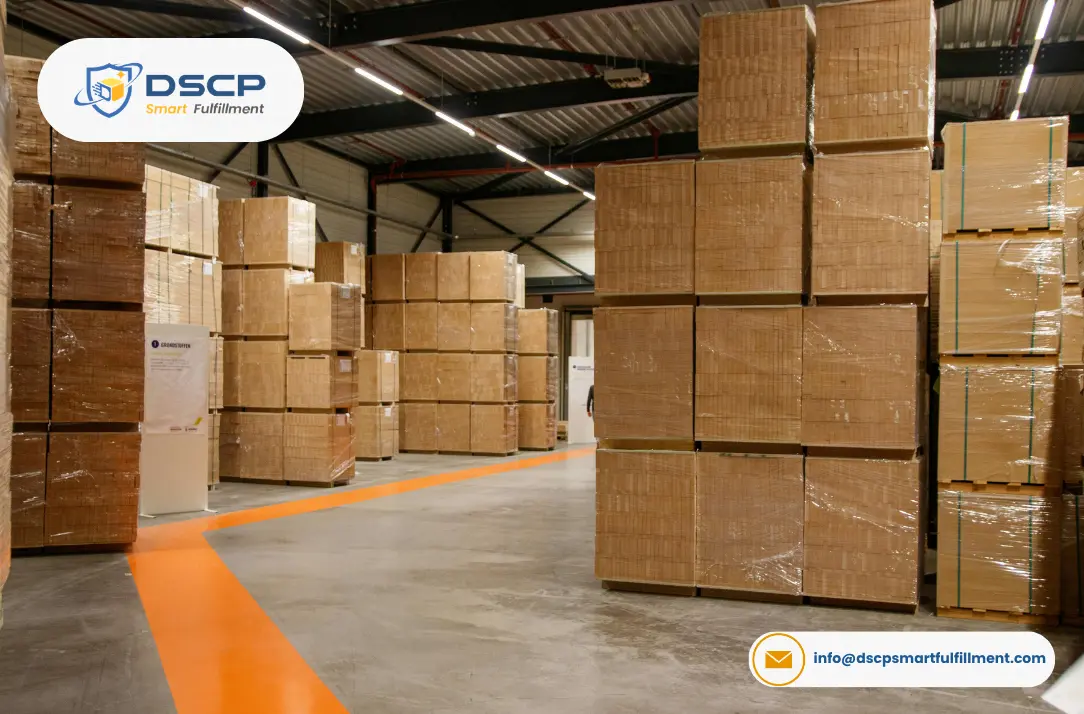
Wholesale means buying existing products in bulk from a distributor or brand at a reduced price and reselling them at retail markup. You do not control the product design or branding, but you benefit from established demand and a proven product.
The advantage is speed. There is no product development phase, no sample iteration and no factory coordination. You can list products and start selling within days of receiving inventory. The downside is that your competitors may sell the same products, which compresses margins and makes it harder to build brand loyalty.
Wholesale works well for sellers testing new categories or supplementing an existing product line without the upfront investment of custom manufacturing.
Private Label and White Label
Private label products are manufactured by a third party but sold under your own brand. You typically work with the manufacturer to customize specifications, packaging, and labeling. White label is similar, but with less customization: you put your logo on a standard product that other brands may also sell.
The global private label service market was valued at approximately $210 billion in 2025, with North America holding the largest share at 35% (Verified Market Reports, 2025). This growth is driven by consumer willingness to try store brands and independent labels, especially when the quality and presentation meet their expectations.
Private labeling gives you brand ownership and higher margins than wholesale, while still avoiding the complexity of building a product from scratch. It is a popular middle ground for sellers who want to differentiate without a massive R&D budget.

Dropshipping
With dropshipping, you never hold inventory. When a customer places an order, you forward it to a supplier who ships the product directly to the customer. Your profit is the difference between what you charge and what the supplier charges you.
The appeal is obvious: virtually zero upfront cost and no inventory risk. The trade-off is equally clear: thin margins (often 10 to 20%), no control over shipping speed or packaging quality and high competition because the barrier to entry is so low.
Dropshipping can work as a testing method to validate product ideas before committing to bulk orders. As a long-term standalone strategy, it becomes difficult to sustain because you are competing on price alone with no brand differentiation.
| Sourcing Method | Typical Startup Cost | Profit Margin | Best For |
|---|---|---|---|
| Direct Manufacturing | $2,000 – $10,000+ | 40% – 70% | Brands building long-term equity with custom products |
| Wholesale | $500 – $5,000 | 20% – 50% | Sellers testing new categories or supplementing a product line |
| Private Label | $1,000 – $8,000 | 30% – 60% | Sellers who want brand ownership without full product development |
| Dropshipping | $0 – $500 | 10% – 20% | Beginners validating product ideas with minimal risk |
How to Find Reliable Suppliers
Online B2B Platforms
Platforms like Alibaba, Global Sources and Made-in-China connect buyers with manufacturers and trading companies across Asia and beyond. With over 200,000 suppliers listed on Alibaba alone (Alibaba, 2026), these platforms are the starting point for most product searches.
However, a listing is just a starting point, not a guarantee. In an Entrepreneur forum on Reddit, one e-commerce seller shared their experience sourcing through Alibaba: the same product they had been paying $7.80 for was available from bulk suppliers for as low as $2.00, but quality varied dramatically between suppliers (Reddit, Entrepreneur community). The lesson is that price comparison is essential, but never at the expense of quality verification.
When evaluating suppliers on any platform, look for:
- Verified supplier badges or third-party audit reports
- Years in business and transaction history
- Product reviews from other buyers
- Responsiveness and clarity in communication
- Willingness to provide detailed specifications and certifications
Trade Shows and Industry Events
Nothing replaces seeing products in person and meeting the people who make them. The Canton Fair in Guangzhou, held twice a year, remains the world’s largest trade show for manufactured goods. Attending allows you to inspect samples firsthand, compare multiple suppliers side by side and negotiate terms in person.
Trade shows are also where you build the kind of personal rapport that makes long-term supplier relationships work. A face-to-face meeting signals to a factory that you are a serious buyer, which often leads to better pricing and priority treatment on future orders.

Sourcing Agents and Services
A sourcing agent is someone based in the manufacturing region who works on your behalf to find suppliers, negotiate prices, oversee quality inspections and coordinate shipping. This option is especially valuable if you are sourcing from a country where you do not speak the language or understand local business practices.
Good sourcing agents have established networks of vetted factories and can save you months of trial and error. They typically charge a commission of 5 to 10% of the order value or a flat service fee. The trade-off is worthwhile for sellers who want professional oversight without managing every detail of the manufacturing process themselves.
Vetting Suppliers: What to Check Before You Commit
| Verification Step | What to Check | Red Flag If Missing |
|---|---|---|
| Business License | Valid registration, company name matches listing | No verifiable legal entity or mismatched company names |
| Factory Audit or Certification | ISO, FDA, CE or industry-specific certifications | Cannot provide any third-party audit report |
| Client References | Contact details of existing buyers in your market | Refuses to share references or provides only testimonials |
| Sample Quality | Materials, workmanship and packaging match specifications | Sample quality differs significantly from catalog photos |
| Communication Responsiveness | Clear answers within 24-48 hours, willingness to clarify details | Slow replies, vague answers or pressure to skip sample stage |
| Manufacturer vs Trading Company | Confirm whether supplier owns the factory or resells from others | Claims to be a factory but offers unrelated product categories |
Request Samples From Multiple Sources
This is the single most important step in the sourcing process. Order samples from at least three to five suppliers to compare quality, materials, workmanship, and packaging. As one product development expert put it, having a physical sample in hand lets you inspect quality firsthand and catch issues before you invest in a bulk order (Shopify, 2026).
When requesting samples, provide detailed specifications including materials, colors, dimensions, and packaging requirements. Ask the supplier to label the package with their company name so you can easily identify which sample came from which source.
Verify Business Credentials
Do not rely solely on platform badges. Dig deeper by checking the supplier’s business license, export history and any relevant certifications (ISO, FDA, CE, or others, depending on your product category). Ask for references from existing clients in your market and follow up with those clients directly.
One experienced sourcing professional noted that more than 90% of suppliers on Alibaba are trading companies rather than direct factories (JingSourcing, 2024). Trading companies are not inherently bad, but they add a margin and reduce your direct control over production. Knowing whether you are dealing with a manufacturer or a middleman affects your cost structure and your ability to request changes.
Start Small and Scale
Resist the temptation to place a massive first order to get the lowest per-unit price. Start with a smaller order that tests the supplier’s consistency, communication, and shipping reliability. If the first run goes well, you can scale with confidence. If it does not, your downside is limited.
This approach also gives you leverage. Once a supplier sees that you order consistently and pay on time, they are more likely to offer better terms, lower MOQs, and priority production scheduling.
Bringing Products to Market: Sourcing Meets Fulfillment
Finding the right supplier solves half the equation. Getting those products into your customers’ hands quickly and reliably solves the other half. Once your inventory arrives in the US, it needs to be stored, managed, and shipped every time a customer clicks “buy.”
This is where your sourcing strategy connects directly to your fulfillment strategy. Brands that pre-position inventory in strategically located US warehouses can offer faster delivery times, lower shipping costs, and a better customer experience than those shipping direct from overseas.
For sellers sourcing internationally, working with a 3PL provider that handles receiving, storage, pick-and-pack, and shipping means you can focus on growing your brand instead of managing warehouse operations.
At DSCP Smart Fulfillment, we offer end-to-end support from product sourcing and quality control to US-based fulfillment from warehouses in California and New Jersey. If you are sourcing new products and need a partner who can manage the entire journey from factory to customer, reach out to discuss how we can help.
Conclusion
Sourcing products for your online store in 2026 requires more than browsing a supplier directory and placing an order. It demands research, sample testing, supplier vetting, and a clear understanding of how each sourcing method aligns with your business goals and budget.
The sellers who succeed long-term are the ones who treat sourcing as a relationship, not a transaction. They invest in supplier partnerships, maintain rigorous quality standards and connect their sourcing strategy to a fulfillment infrastructure that delivers a consistent customer experience.
Start with clarity on what you want to sell and who your customer is. Then work backward through the sourcing methods and supplier channels that best serve those goals. Test before you commit, verify before you trust, and scale only after you have proven the process works.
