
When to Switch Your 3PL: Signs It’s Time to Move

One late shipment is bad luck. A pattern of them is a decision you are avoiding. Roughly 65% of consumers say they will stop shopping with a retailer altogether after just two or three late deliveries (Voxware, 2022). So the real cost of staying with a fulfillment provider that keeps slipping is not one refund or one bad review. It is the customers who quietly stop coming back, and the growth that stalls while you tell yourself it was a one-off.
The hard part is timing. One bad week is normal, and no provider is perfect, so brands tend to wait too long and pay for the delay in refunds, chargebacks and stockouts. Customer expectations have also shifted toward reliability over raw speed, with shoppers now caring most that an order arrives when it was promised (McKinsey & Company, 2024). This guide lays out the clear signs it is time to switch your 3PL, how to tell a fluke from a real problem, and how to move without disrupting your orders.

Key Takeaways for Switching 3PL
- The signal to switch is a pattern, not a single bad week. Repeated late shipments, slipping accuracy, rising unexplained fees, poor inventory visibility, or unreachable support all point the same way.
- Waiting too long is the expensive mistake. A weak 3PL shows up in refunds, chargebacks, stockouts and stalled growth before it shows up anywhere you are looking.
- A provider that fit you at one stage can quietly become a constraint at the next, especially as you add volume or new sales channels.
- Switching is very doable. A well-sequenced move takes a few weeks and keeps orders flowing the whole time.
- Choose the replacement on the things that were failing you: transparent pricing, accuracy, real-time visibility and support you can actually reach.
When Should You Switch Your 3PL?
You should switch your 3PL when the problems become a pattern rather than a one-off: repeated late shipments, accuracy that keeps slipping, fees that rise without explanation, inventory you cannot see clearly, support you cannot reach, or a provider that can no longer keep up with your growth or your new sales channels. One bad week is normal and not worth uprooting your operation over. A recurring pattern that is costing you customers is the moment to move.
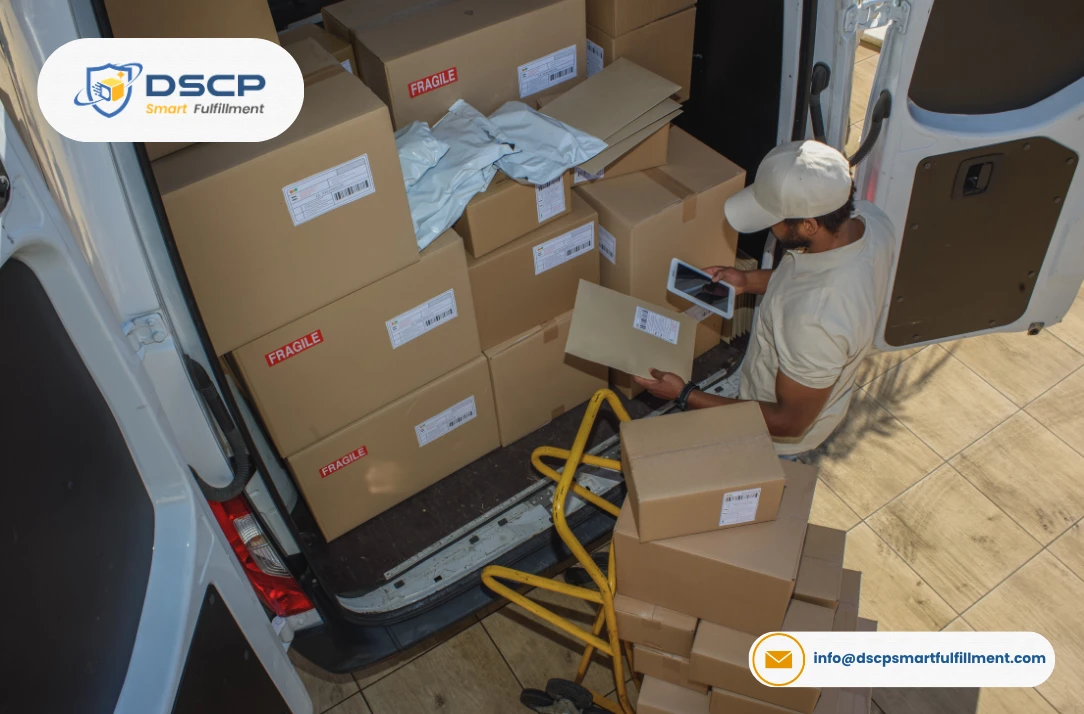
The Signs It’s Time to Switch
Most of these rarely show up alone. When two or three appear together, the decision has usually already made itself.
- A pattern of late shipments: Missed dispatch cutoffs that turn into where-is-my-order tickets, refunds and one-star reviews. The occasional carrier delay is unavoidable. Regularly missing the cutoff is not.
- Accuracy is slipping: Wrong items, short shipments and mispacks cost you the reshipping and, worse, the customer’s trust. Fulfillment accuracy is what protects your brand on every order.
- Costs keep rising and no one can explain them: Surcharges and fees that creep up month over month, with a quote that never quite matches the invoice, quietly eat the margin you are working to protect.
- You have no real inventory visibility: When stock is not synced clearly and in real time, you get stockouts and overselling, and you find out only after a customer does.
- Support is slow or impersonal: A ticket queue, vague answers and no real point of contact mean small problems fester into customer complaints instead of getting solved.
- They cannot keep up with your growth: A provider built for where you were becomes a ceiling on where you are going, especially as you add volume, wholesale or new channels.
- You are building workarounds: Spreadsheets and manual checks to compensate for missing integrations or reporting are a quiet tell that the operation no longer fits.
The judgment that matters is whether a problem is a one-time event or a recurring one. This table helps you tell the difference.
| Signal | Probably a One-Off | Time to Switch |
|---|---|---|
| Late shipments | A single carrier delay during a peak week | Missed dispatch cutoffs most weeks |
| Order errors | One mispick, caught and fixed quickly | Recurring wrong items and mix-ups |
| Costs | A one-time fee you can get explained | Charges creeping up monthly with no clear reason |
| Support | Slow once during a holiday rush | Consistently hard to reach a real person |
| Capacity | A short backlog after a big promotion | Unable to keep up as your volume grows |
How to Switch Your 3PL Without Disrupting Orders
The fear that stops most brands from moving is that orders will stall mid-transition. With a sequenced plan and a provider that does the heavy lifting, they do not. The rough shape of a clean switch:
- Time it for a lull: Move during a slower stretch, not the middle of peak, so nothing critical is in transit during a rush.
- Choose the replacement carefully: Pick on the things that were failing you, and our guide on how to choose a 3PL provider walks through the criteria that matter.
- Connect your store first. Install the new integration so orders and inventory sync from day one.
- Transfer inventory with receiving coordinated: Send stock to the new warehouses with the receiving scheduled, so units go live quickly rather than sitting in a backlog.
- Run a short overlap: Keep a little stock with the old provider until the new setup is proven, then cut over fully once orders flow cleanly.
Where DSCP Smart Fulfillment Fits
If the signs above look familiar, DSCP Smart Fulfillment is built around the things that most often push a growing brand to leave. Pricing is competitive and fully transparent with no hidden fees, which answers the costs that creep up with no explanation. Orders placed by 5 PM EST ship the same day at 99.9% pick and pack accuracy, which answers the late shipments and slipping accuracy. Inventory syncs in real time through a native Shopify integration with a REST API for custom stores, which answers the visibility gap, and every client gets a dedicated account manager rather than a ticket queue.

Stock sits in two US warehouses, in Pomona, California, and New Brunswick, New Jersey, reaching roughly 80% of the US population within two to four days by ground, with capacity that scales as you grow rather than capping you. DSCP Smart Fulfillment serves more than 2,500 e-commerce brands, holds a 4.8 out of 5 Trustpilot rating and brings over ten years of operational experience to the move.
Ready to Move to Fulfillment That Fits
If your current 3PL has become the thing holding your brand back, DSCP Smart Fulfillment makes the switch straightforward, with transparent pricing, 99.9% accuracy, same-day shipping for orders in by 5 PM EST, real-time inventory sync and a dedicated account manager who owns your transition. Get in touch to map out a move built around your order volume.
Conclusion
A fulfillment partner’s work is quiet, which is exactly why a failing one is easy to tolerate for too long. The damage shows up in your reviews, your refunds and your stalled growth before it shows up on the warehouse floor. Watch for the pattern rather than the single bad week, and when repeated late shipments, slipping accuracy, creeping costs, or unreachable support start stacking up, treat that as the decision it is. Switching is easier than staying somewhere that no longer fits, and the right partner makes the move nearly invisible to your customers.

How to Offer Two-Day Shipping on Shopify
Two-day shipping is a geography problem, not a carrier problem. The three ways Shopify brands offer it, what each costs, and how to fund it without losing margin.
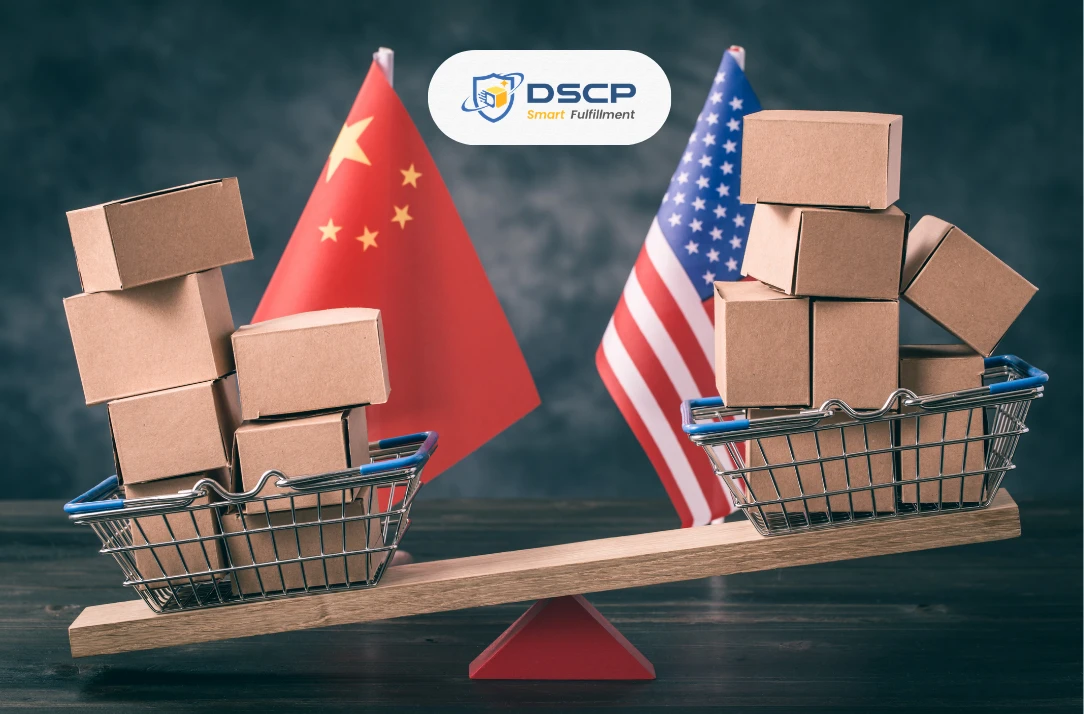
US vs China Fulfillment: Cost, Speed and Capital Compared
Most sellers assume China is cheaper. On our own orders it is not: for light items a US warehouse costs less per order and lands in 2 to 4 days instead of 7 to 12.