
How to Handle a World Cup Sales Surge Without Stockouts

The 2026 FIFA World Cup is underway, and for e-commerce sellers in the fan merchandise, apparel and party supply categories, demand is climbing fast. But here is what many sellers underestimate: the surge is not a single spike. It builds. The group stage generates steady interest, and then the knockout rounds, the matches everyone watches, drive the biggest waves of buying as national pride peaks and casual fans tune in.
That escalating demand creates a specific risk. Running out of your best-selling products mid-tournament is one of the most expensive mistakes you can make, and it happens precisely when interest is highest. Out-of-stock rates climb to around 10% during promotional and high-demand periods, exactly when customer purchase intent peaks (Opensend, 2025). A stockout during the World Cup does not just cost you that one sale. It sends an excited, ready-to-buy customer straight to a competitor.
This guide explains why World Cup demand intensifies as the tournament progresses, what a stockout really costs and how to keep your shelves stocked and your orders shipping through the final whistle.
Key Takeaways
- World Cup demand is not a single spike. It escalates through the tournament, peaking during the knockout rounds when viewership and emotional buying are highest.
- The true cost of a stockout is typically two to five times the value of the lost sale, because it triggers lost customers, damaged loyalty and marketplace ranking penalties.
- Roughly 70 to 90% of stockouts are caused by poor replenishment practices, not supplier problems, which means most are preventable.
- Safety stock buffers and real-time inventory tracking are the two most effective defenses against demand-surge stockouts.
- A fulfillment partner with US-based inventory and fast restocking capability lets you capture demand spikes instead of losing them to competitors.
Why World Cup Demand Keeps Climbing
Unlike a one-day sales event, the World Cup runs for weeks, and the demand curve is not flat. It rises. Here is why.
The group stage builds awareness and casual interest. Fans buy early merchandise, decorate for the first watch parties and gear up for their team. But as teams advance and are eliminated, the stakes rise. The knockout rounds (the round of 32, round of 16, quarterfinals, semifinals and final) draw dramatically larger audiences than group-stage matches. More viewers means more emotional investment, more watch parties and more last-minute purchasing.
This creates a compounding demand pattern. A seller who stocked enough fan gear for the opening weeks can easily find themselves depleted right as the most-watched matches arrive. The products that sold steadily in June can sell out in days during the knockout stage. If you sold out your inventory of a popular team’s merchandise after the group stage, you miss the largest wave of demand when that same team reaches the semifinals.
The lesson from our guide to World Cup products still applies: emotional, impulse-driven buying defines tournament demand. But during the knockout rounds, that emotion intensifies, and so does the buying.
What a Stockout Really Costs You
Most sellers think of a stockout as a single lost sale. The real cost is far higher. Research consistently shows that the true cost of a stockout is two to five times the value of the lost sale itself, because running out of stock triggers a cascade of consequences (Planster, 2026).
Consider what actually happens when a customer hits an out-of-stock product during the World Cup:
- The immediate sale is lost. The customer wanted to buy now, in the moment of excitement, and could not.
- The customer often does not come back. Research indicates that 43% to 70% of consumers will buy from a competitor when faced with a stockout, and many never return (Eurystic, 2025).
- Your marketplace ranking drops. On platforms like Amazon, going out of stock causes your product to fall in search rankings. Regaining that visibility after restocking takes time and advertising spend.
- Your ad spend is wasted. If you are running campaigns driving traffic to a sold-out product, you are paying for clicks that cannot convert.
Globally, inventory distortion, which includes stockouts, overstocks and returns, costs retailers an estimated $1.77 trillion in a single year, with out-of-stocks rising nearly 18% year over year in North America (IHL Group, 2023). During a high-emotion event like the World Cup, where buying is impulsive and time-sensitive, the cost of being unavailable is even steeper. A fan who cannot buy your jersey before the semifinal will not wait for your restock. The moment will have passed.
| Hidden Cost of a Stockout | Impact |
|---|---|
| Lost immediate sale | The customer wanted to buy in the moment and could not |
| Lost customer | 43% to 70% of shoppers switch to a competitor, and many never return |
| Marketplace ranking drop | Going out of stock lowers search rankings that take time to rebuild |
| Wasted ad spend | Campaigns drive paid traffic to a product that cannot convert |
| Total true cost | Typically 2 to 5 times the value of the single lost sale |
How to Forecast the Surge
The encouraging news is that most stockouts are preventable. Studies show that 70 to 90% of stockouts are caused by poor replenishment practices rather than supplier issues (Opensend, 2025). That means the problem is largely within your control.
Forecasting World Cup demand requires accounting for the escalating pattern:
- Map demand to the tournament schedule: Identify which knockout rounds will drive the biggest spikes. The final, semifinals and any match involving a team with a large US fan base are the peak moments.
- Weight your fastest movers: Look at what sold during the group stage and assume the knockout rounds will accelerate that velocity, not just maintain it. Your top three to five products need the deepest buffer.
- Build safety stock: Maintaining proper safety stock reduces stockouts by 25 to 40% (Opensend, 2025). For your best-selling World Cup products, a safety buffer is the single most effective protection against a knockout-stage sellout.
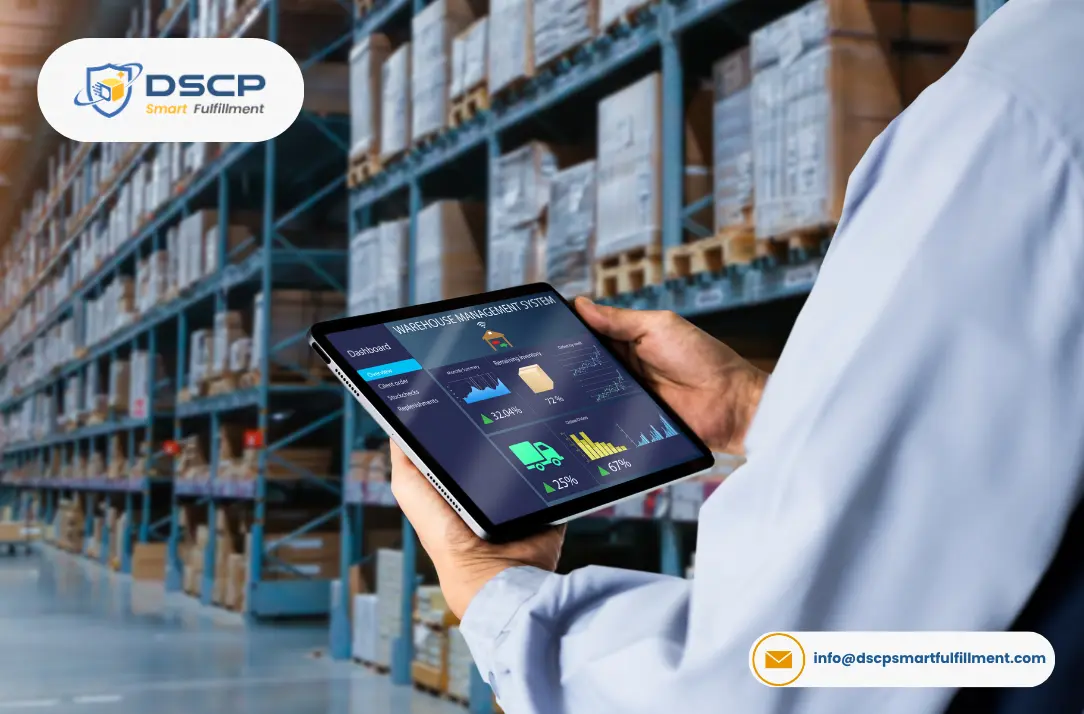
- Use real-time inventory tracking: Set low-stock alerts, so you know before you run out, not after. Businesses using automated inventory management reduce stockouts by approximately 30% compared to manual tracking.
The peak season planning principles that apply to Q4 apply here too. The World Cup is effectively a compressed peak season for sellers in the right categories, and it rewards the same disciplined inventory planning.
| Tournament Stage | Demand Level | Inventory Action |
|---|---|---|
| Group Stage | Building, steady interest | Track velocity on top SKUs, confirm safety stock levels |
| Round of 32 and 16 | Rising, casual fans tune in | Release buffer stock on fastest movers, set low-stock alerts |
| Quarterfinals | High, stakes intensify | Prioritize fulfillment speed, expedite restocks if needed |
| Semifinals and Final | Peak, maximum viewership | Ensure deepest stock on popular team merchandise; ship fast |
How to Restock Fast During the Tournament
Forecasting helps, but demand can still outpace expectations, especially if a popular team makes an unexpected run. When that happens, the speed of your restocking determines whether you capture the surge or lose it.
The challenge with restocking mid-tournament is time. If your inventory has to travel a long distance to reach customers, a restock ordered today might not arrive until the tournament is nearly over. This is where the location of your inventory matters enormously.
Sellers with products positioned in US fulfillment centers can replenish and ship far faster than those relying on long inbound shipping lanes. When your stock is already in the country and close to your customers, a mid-tournament restock can reach buyers in two to four days rather than weeks. That speed is the difference between capturing the semifinal surge and watching it pass.
A few practical restocking moves during the tournament:
- Keep a reserve buffer you can release quickly if a specific team or product unexpectedly takes off.
- Prioritize fulfillment speed over cost during peak demand windows, since the lost-sale cost of a stockout far exceeds expedited shipping.
- Coordinate closely with your fulfillment partner so they know a surge may be coming and can prepare capacity.
How a Fulfillment Partner Keeps You Shipping

Handling a demand surge is as much an operational challenge as an inventory one. Order volume can jump suddenly, and your fulfillment operation needs to absorb that spike without slowing down or making errors. A brand comfortably shipping a few hundred orders a week can suddenly face triple that volume during a knockout weekend.
This is where a fulfillment partner earns its value. A 3PL with trained staff, scalable capacity and optimized shipping can handle a sudden volume increase that would overwhelm an in-house operation. Instead of scrambling to pack orders yourself during the busiest sales period of the summer, you keep selling while your fulfillment partner keeps shipping.
DSCP Smart Fulfillment operates from US warehouses in Pomona, California and New Brunswick, New Jersey, giving brands the bi-coastal coverage and scalable capacity to handle demand surges without missing a beat. If you are selling during the World Cup and want to make sure a sudden spike does not turn into a stockout, get in touch to talk about your fulfillment setup.
Conclusion
The World Cup is a rare, weeks-long demand opportunity for sellers in the right categories. But the demand is not steady. It escalates toward the knockout rounds, and the sellers who win are the ones whose inventory and fulfillment can keep pace with the climb.
Forecast for the surge, not just the average. Build safety stock on your fastest movers. Track inventory in real time so you see a shortage coming. And position your stock close to your customers so you can restock fast when demand outpaces your plan. A stockout during the final is not just a lost sale. It is a ready-to-buy fan handed to a competitor at the peak of their excitement.
The tournament runs until July 19. The biggest matches, and the biggest demand, are still ahead. Make sure you are ready for them.
10 Halloween Products to Sell in 2026
US Halloween spending hit a record $13.1 billion. Here are 10 focused, fulfillment-friendly product categories to sell in 2026, and when to stock them.

10 Back-to-School Products to Sell in 2026
Ten back-to-school product categories with strong 2026 demand, plus why early inventory and fulfillment planning is what captures the $146 billion surge.