
Rising Shipping Costs 2026: Impact on E-Commerce Brands
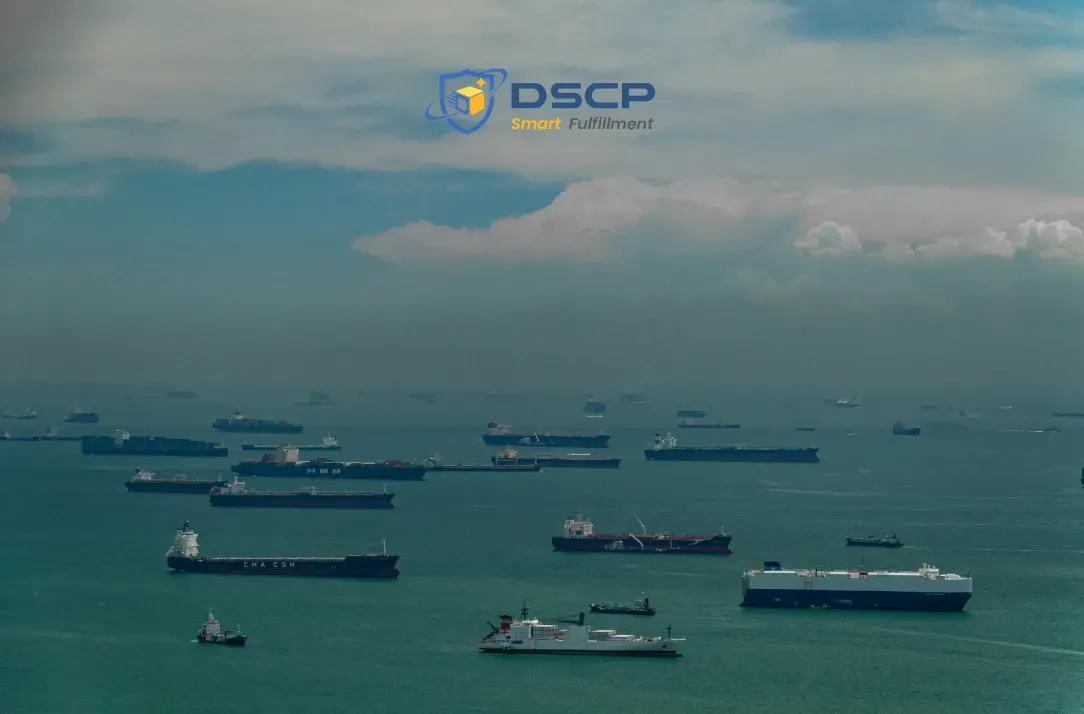
If you sell physical products online, the cost of moving those products has changed dramatically in the past month. The Strait of Hormuz, a 21-mile-wide waterway between Iran and Oman that carries roughly 20% of the world’s daily oil supply, has been effectively closed to commercial shipping since late February 2026. Brent crude oil surged past $100 per barrel for the first time in four years, peaking at $126 per barrel (Wikipedia, 2026). Major container carriers, including Maersk, CMA CGM, Hapag-Lloyd, and MSC, have suspended transits through the strait and rerouted vessels around the southern tip of Africa, adding 10 to 14 days per shipment (CNBC, 2026).
For e-commerce brands, this is not a distant geopolitical headline. It is a cost event that is already reshaping freight rates, fuel surcharges and delivery timelines across global supply chains. The disruption comes on top of an already strained environment with elevated tariffs and carrier rate increases that took effect at the start of the year.
This article breaks down what is driving the cost increases, how they affect online sellers and what practical steps you can take to protect your margins and keep your customers informed.

Key Takeaways
- The Strait of Hormuz crisis has triggered the largest disruption to global energy and shipping since the 1970s, directly increasing fuel costs and freight rates for e-commerce businesses.
- Container shipping surcharges have jumped $1,500 to $4,000 per container, depending on the carrier, with war risk insurance premiums surging over 300%.
- Rerouting around Africa adds 10 to 14 days to transit times, compressing inventory cycles and increasing the risk of stockouts.
- Domestic fulfillment from US-based warehouses remains unaffected by the Hormuz disruption for last-mile delivery, making pre-positioned inventory a strategic advantage.
- Sellers should audit in-transit shipments, build safety stock buffers and communicate proactively with customers about potential delays.
What Is Behind the Surge in Shipping Costs
The Strait of Hormuz Closure
The current shipping cost crisis traces directly to the military conflict that began on February 28, 2026. Following coordinated US-Israeli strikes on Iran, Iran’s Islamic Revolutionary Guard Corps responded by effectively closing the Strait of Hormuz to commercial traffic. Before the crisis, approximately 138 vessels transited the strait every day. Within 48 hours of the escalation, tanker traffic dropped by roughly 70%, and over 147 container ships were trapped inside the Persian Gulf (Easyship, 2026).
The Strait is not just an oil corridor. It is the only maritime exit from the Persian Gulf, meaning there is no simple detour for the massive volume of energy exports and container traffic that flows through it daily. Unlike the Suez Canal disruptions of recent years, where ships could reroute via the Cape of Good Hope, cargo trapped inside the Gulf has nowhere to go until the strait reopens.

Oil Prices and Fuel Surcharges
Oil prices responded immediately. Before the strikes, Brent crude was trading in the mid-$60s per barrel. Within 10 days, prices surged by approximately 28 to 35% (20Cube Logistics, 2026). Goldman Sachs raised its forecast, projecting Brent to average $105 in March and $115 in April before declining later in the year (Digital Commerce 360, 2026).
For shipping, this matters because bunker fuel typically represents 20 to 30% of total voyage costs. When oil prices rise, carriers pass those costs directly to shippers through fuel surcharges. Both UPS and FedEx had already implemented general rate increases of about 5.9% for 2026, but the fuel surcharge component is now the most volatile element of total shipping cost (Digital Commerce 360, 2026). For ocean freight, emergency bunker adjustment factors are being applied on top of base rates, and some carriers are stacking additional war risk surcharges on the same shipments.
Container Surcharges and Insurance Premiums
The cost increases are not limited to fuel. Container shipping surcharges have spiked across all major carriers:
- Hapag-Lloyd imposed a $1,500 per TEU war risk surcharge
- CMA CGM is charging $2,000 to $4,000 per container
- Maersk added emergency freight increases of $1,800 to $3,800
War risk insurance premiums have surged over 300%. Before the crisis, insuring a vessel for Hormuz transit cost about 0.25% of hull value. That figure now exceeds 5%, effectively a 20-fold increase (Nventory, 2026). Several insurers have stopped underwriting the region entirely, which means even if the strait were technically passable, the economic barrier to transit remains prohibitive.
| Carrier | Surcharge per Container (TEU) | Status |
|---|---|---|
| Maersk | $1,800 – $3,800 | Emergency freight increase, Hormuz transits suspended |
| CMA CGM | $2,000 – $4,000 | War risk surcharge, rerouting via Cape of Good Hope |
| Hapag-Lloyd | $1,500 | War risk surcharge, Gulf bookings suspended |
| MSC | Varies by route | Strait transits suspended, alternative routing active |
These costs stack on top of each other. A single 40-foot container from Asia that cost roughly $2,200 in January 2026 can now carry $4,000 to $7,000 in surcharges alone, before accounting for the base freight rate increase.
How Rising Shipping Costs Affect E-Commerce Brands
Higher Landed Costs and Squeezed Margins
Every surcharge, insurance premium and fuel adjustment feeds into the landed cost of your products. For sellers importing goods from Asia or Europe, the per-unit cost of getting inventory to a US warehouse has increased meaningfully in a matter of weeks. Brands operating on thin margins, particularly in categories like apparel, home goods and consumer electronics, face a difficult decision: absorb the cost increase or raise prices and risk losing conversions.
UK-based retailer Next has already quantified the damage, reporting approximately $20 million in added costs from the crisis on the assumption that disruptions last three months (Sourcing Journal, 2026). Smaller e-commerce brands do not have that kind of balance sheet to absorb the shock, which makes proactive planning even more critical.
Longer Transit Times and Inventory Pressure
Rerouting vessels around the Cape of Good Hope adds 10 to 14 days per shipment. For brands running lean inventory models, that extension can break replenishment cycles. Products that normally arrived on a predictable schedule may now arrive in unpredictable clusters as diverted ships converge on the same ports at the same time.
This creates a cascading problem. Stockouts lead to lost sales and lower search rankings on marketplaces like Amazon. Overstocking to compensate ties up working capital and increases storage fees. Finding the right balance requires real-time visibility into where your inventory actually is, not just where it was supposed to be.
In an e-commerce logistics community discussion on Reddit, one seller described the situation bluntly: they had placed their largest quarterly inventory order only to discover the shipment was stuck with no clear timeline and a surprise surcharge in their inbox. That experience is becoming increasingly common.

Domestic Shipping Is Not Immune
Even if your products are already sitting in a US warehouse, you are not entirely shielded. Domestic parcel carriers adjust fuel surcharges based on energy prices, and those adjustments are climbing. Air cargo rates on international routes have surged as much as 70% as airlines divert flights around conflict zones and some shippers shift freight from ocean to air (Digital Commerce 360, 2026).
That said, brands with inventory pre-positioned in US-based fulfillment centers have a significant advantage right now. Last-mile delivery from a domestic warehouse to a US customer is not affected by the Hormuz closure. The disruption hits hardest on the inbound side: getting products from overseas manufacturers to your fulfillment network.
What to Expect in the Coming Months
The outlook depends heavily on how long the Strait of Hormuz remains disrupted. The Federal Reserve Bank of Dallas modeled several scenarios: if the Strait reopens after one quarter, oil prices are expected to drop to around $68 per barrel by Q3 2026. If the closure extends to two quarters, prices could rise to $115 before normalizing (Dallas Fed, 2026).
For container shipping, historical patterns suggest that rates typically normalize within three to six months after the underlying disruption resolves. However, the COVID-era comparison is instructive: container rates peaked in late 2021 and took nearly 18 months to fully return to baseline (The Middle East Insider, 2026). A quick military resolution would speed recovery, but the current diplomatic situation remains complex.
What is clear is that the next 60 to 90 days will be the most volatile period. Sellers should plan for sustained elevated costs at least through Q2 2026 and potentially into the second half of the year.
| Action | Why It Matters | Priority |
|---|---|---|
| Audit in-transit shipments | Confirms routing, identifies stuck or rerouted cargo | Immediate |
| Build 60–90 day safety stock | Protects against extended transit delays and stockouts | Immediate |
| Pre-position inventory in US warehouses | Insulates last-mile delivery from global route disruptions | High |
| Update customer delivery estimates | Builds trust and reduces post-purchase complaints | High |
| Review carrier contracts for fixed-rate options | Provides cost certainty as spot rates climb through Q2 | Medium |
| Diversify sourcing away from Hormuz-dependent routes | Reduces long-term exposure to single-corridor risk | Medium |
How E-Commerce Brands Can Prepare
Audit Your Supply Chain Exposure
Start by mapping exactly where your products are right now. For every open purchase order, confirm the vessel name, voyage number and current routing. Determine whether your freight forwarder has confirmed bookings on carriers that have suspended Hormuz transits or rerouted via the Cape. If your forwarder cannot provide vessel-level tracking for open shipments, consider switching to one that can.
Build Safety Stock and Adjust Reorder Points
Lean inventory models are a liability during supply disruptions. If your typical reorder cycle assumed a 30-day transit from Asia, you need to adjust that to 40 to 44 days at a minimum. Consider building a 60 to 90-day safety stock buffer for your best-selling SKUs to protect against further delays.
Evaluate Your Fulfillment Strategy
This crisis reinforces the value of having inventory closer to your end customer. Brands that rely on direct-from-source shipping or a single overseas warehouse are the most exposed. Pre-positioning inventory in strategically located US warehouses reduces your dependence on volatile international shipping lanes for customer-facing delivery.
Working with a 3PL provider that offers domestic fulfillment from multiple US locations means your last-mile delivery times remain consistent even when global routes are disrupted.
Communicate Proactively with Customers
Transparency builds trust. If your delivery timelines are affected, update your product pages and shipping policy before customers discover the delay at checkout or after purchase. A straightforward message goes a long way: “Due to global shipping disruptions, delivery times for some products are currently longer than usual. We are working to minimize the impact and will keep you updated.”
During the Red Sea disruptions in 2024 and 2025, sellers who communicated early and honestly retained more customers than those who stayed silent and let delays speak for themselves.
Review Carrier Contracts and Negotiate Where Possible
If your current shipping contracts are index-linked to fuel prices, the surcharges will keep climbing. Explore whether your 3PL or freight forwarder offers fixed-rate contracts that can provide cost certainty during the disruption period. Locking in a rate now, even at today’s elevated prices, may be more economical than riding spot rates higher through Q2.
Looking Forward: Why Resilience Matters More Than Ever
The Strait of Hormuz crisis is a stark reminder that global e-commerce depends on physical logistics networks that can be disrupted by events far outside any seller’s control. This is the third major maritime disruption in three years, following the Red Sea and Houthi-related shipping challenges of 2024 and 2025.
The brands that weather these disruptions best share a few common traits: they diversify their supply chain across multiple routes and suppliers, they maintain safety stock rather than relying purely on just-in-time replenishment and they keep their fulfillment infrastructure close to the customer.
At DSCP Smart Fulfillment, we operate e-commerce fulfillment from warehouses in California and New Jersey, providing nationwide coverage that is not dependent on the Strait of Hormuz for last-mile delivery. If you are looking to strengthen your fulfillment strategy during a volatile period, reach out to discuss how domestic warehousing can reduce your exposure to global shipping disruptions.
Conclusion
Rising shipping costs in 2026 are not a temporary blip. They reflect a fundamental disruption to one of the world’s most critical trade routes, with consequences that ripple through fuel prices, carrier surcharges, insurance premiums and delivery timelines. E-commerce brands that act now to audit their supply chains, build inventory buffers, diversify their fulfillment strategy and communicate transparently with customers will be in the strongest position to maintain profitability and customer trust through the months ahead.
The situation is evolving daily. We will continue monitoring developments and sharing updates that help online sellers navigate the changing logistics landscape.
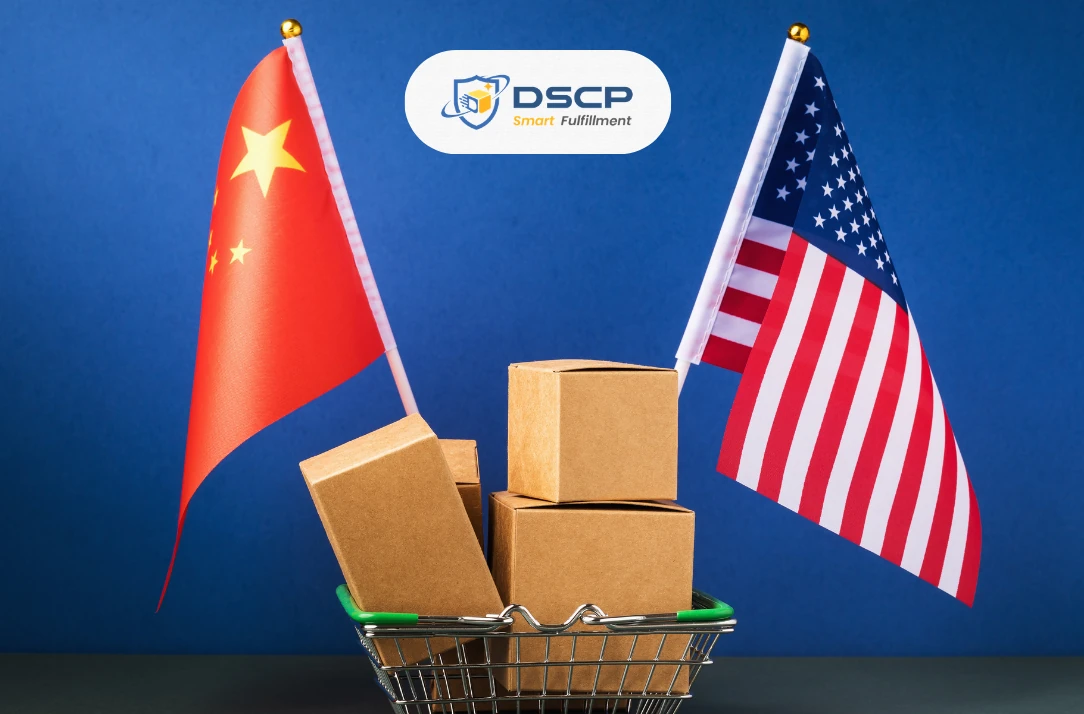
US-China Trade Truce Extended: What Sellers Need to Know
The US-China trade truce now runs to January 10, 2027. What changed, what is still undecided, and how ecommerce sellers should plan Q4 and Q1 inventory.

10 Halloween Products to Sell in 2026
US Halloween spending hit a record $13.1 billion. Here are 10 focused, fulfillment-friendly product categories to sell in 2026, and when to stock them.