
AI Tools That Help E-Commerce Sellers Grow in 2026

Running an e-commerce business in 2026 without AI is like running one in 2016 without a website. It is technically possible, but you are working harder for worse results while your competitors automate their way past you.
The shift is no longer theoretical. Gartner projects that by the end of 2026, more than 75% of e-commerce businesses will use AI automation for at least one core function (Commerce Pundit, 2026). Global spending on AI systems is forecast to surpass $301 billion this year (IDC, 2026). And McKinsey data shows that businesses adopting AI-driven automation see up to a 30% improvement in operational efficiency (Commerce Pundit, 2026).
But here is what most AI tool roundups get wrong: they list dozens of tools without explaining which ones actually move the needle for a growing online store. The e-commerce seller shipping 500 orders a month does not need the same stack as an enterprise retailer managing 50,000 SKUs. This guide focuses on the AI tools that deliver measurable impact for small and mid-size e-commerce brands across the eight operational areas that matter most.

Key Takeaways for the Best AI Tools for E-Commerce Sellers
- AI adoption in e-commerce has passed the tipping point. 89% of retailers are actively using or assessing AI, and companies investing in AI customer service see $3.50 back for every dollar spent.
- The highest-impact AI applications for growing brands are customer support automation, email marketing personalization, product content generation and demand forecasting.
- AI handles repetitive digital tasks faster and cheaper than manual work. But physical fulfillment (picking, packing, shipping, quality control) still requires human oversight and operational expertise.
- Start with one or two tools in areas where you spend the most manual time. Expand only after measuring results.
8 AI Tools That Actually Move the Needle
1. AI Customer Support: Tidio (Lyro AI)

Customer support is the single highest-ROI application of AI in e-commerce right now. Among brands already using conversational AI, 96% deploy it for customer support, and 75% of consumers say they actually prefer AI chatbots for straightforward questions like order status, return policies and product availability (Triple Whale, 2026; Capital One Shopping, cited in Ringly, 2026).
Tidio’s Lyro AI chatbot, powered by Anthropic’s Claude, handles common customer questions, suggests products based on conversation context and executes post-purchase automations like shipping updates and follow-up messages. It integrates directly with Shopify and can perform store actions such as checking order status without human intervention.
The free plan includes 50 conversations per month, making it accessible for smaller stores. Paid plans start at $29 per month with Lyro as a $39 per month add-on. For a seller spending 10 to 15 hours per week answering repetitive questions, that is an immediate time recovery.
2. AI Email and SMS Marketing: Klaviyo

Email and SMS remain the highest-ROI marketing channels in e-commerce, and AI makes them dramatically more effective. Rather than sending the same campaign to your entire list, Klaviyo analyzes customer behavior to determine what to send, when to send it and to whom.
AI-powered flows can welcome new subscribers based on their entry point, trigger post-purchase sequences based on what was purchased, re-engage lapsed customers with personalized win-back messages and predict which customers are at risk of churning before it happens. Each message is timed to individual behavior rather than a schedule you set manually.
The automation extends to subject line testing, content personalization and send-time optimization. Nucleus Research reports a 5.4x ROI multiplier for marketing automation platforms like Klaviyo (Envive AI, 2026). For e-commerce brands not yet automating their email flows, this is likely the single biggest revenue opportunity sitting untouched.
3. AI Product Descriptions and Content: Shopify Magic
Writing product descriptions for hundreds of SKUs is one of the most time-consuming content tasks in e-commerce. Shopify Magic is built directly into the Shopify admin and generates product descriptions, collection pages, email subject lines and storefront copy at no additional cost for Shopify merchants.
The tool works best as a first-draft generator rather than a publish-and-forget solution. It produces usable copy quickly, but the strongest product pages still benefit from a human edit that adds brand voice, specific details and the kind of authentic language that resonates with your target audience. Think of it as cutting your content creation time by 60 to 70% rather than eliminating it entirely.
For sellers on other platforms, alternatives like Jasper and Copy.ai offer similar AI content generation with broader integrations.
4. AI Product Photography: Pebblely

Professional product photography has traditionally been one of the most expensive and time-consuming parts of launching a new product. AI-powered tools are changing that equation dramatically. Pebblely generates studio-quality product images from a single photo, creating lifestyle backgrounds, seasonal themes and platform-specific formats without a photographer, studio, or post-production team.
For e-commerce sellers testing new products or launching seasonal collections, AI photography reduces the cost per image from $50 to $200 (traditional photography) to under $1. The quality gap between AI-generated and traditional product photography has narrowed significantly in 2026, especially for standard consumer goods where clean, well-lit imagery is the standard.
This is particularly valuable for sellers managing large catalogs where photographing every variation and angle manually is impractical. A brand selling 200 SKUs across multiple colors can generate thousands of images in hours rather than weeks.
5. AI Demand Forecasting and Inventory: Prediko
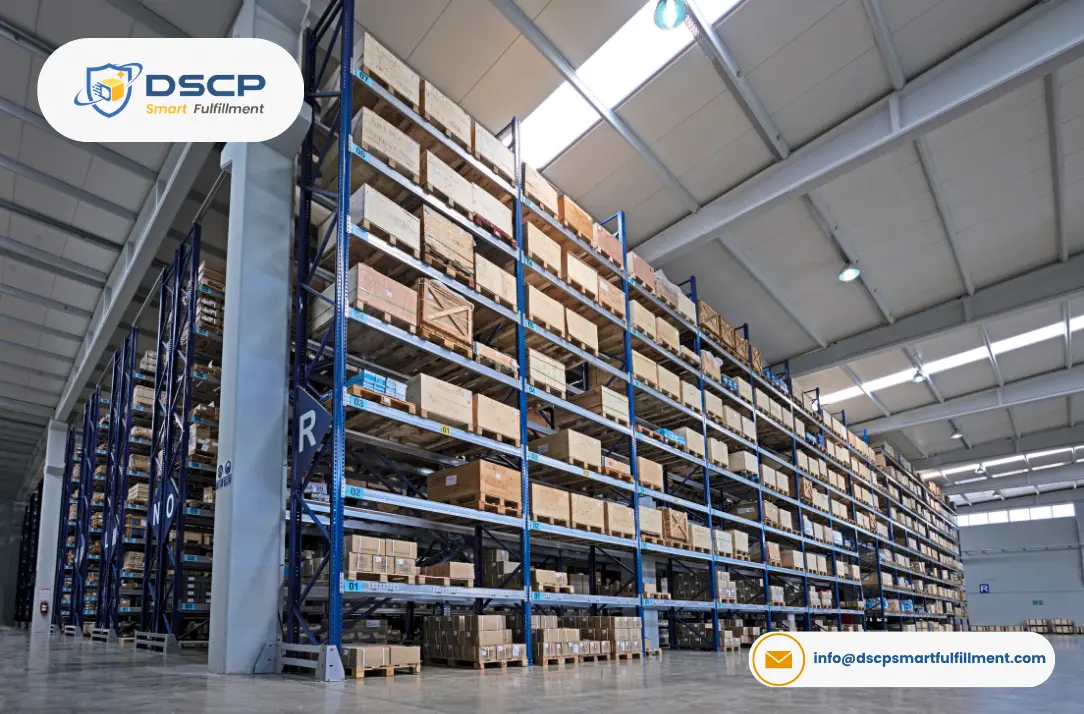
Stockouts and overstock are two of the most expensive problems in e-commerce. AI demand forecasting tools analyze your historical sales data, seasonal patterns, marketing calendar and external signals to predict how much inventory you need and when you need it.
Prediko is built specifically for Shopify merchants and uses machine learning to forecast demand at the SKU level. It considers your current stock, lead times from suppliers, planned promotions and historical velocity to generate purchase order recommendations. For brands that have experienced the pain of running out of a best-selling product during peak season or sitting on months of dead stock, AI forecasting addresses the root cause.
According to industry data, 53% of retailers already use AI for demand forecasting, personalization, or inventory optimization (MedhaCloud, 2026). The technology has moved well past the experimental stage.
6. AI Dynamic Pricing: Prisync

Pricing is one of the highest-leverage decisions in e-commerce, and most sellers still do it manually. Prisync monitors competitor pricing across marketplaces and adjusts your prices automatically based on rules you define: match the lowest competitor, maintain a specific margin floor, or price at a percentage below the market leader.
Dynamic pricing is especially valuable for sellers competing on Amazon and other marketplaces where price changes happen multiple times per day. Manual monitoring cannot keep pace. AI pricing tools track competitors in real time and execute adjustments instantly, protecting your Buy Box position and margin simultaneously.
For brands focused on DTC sales through their own stores, dynamic pricing can also be used to optimize promotional timing and bundle pricing based on demand signals rather than gut instinct.
7. AI Search and Product Discovery: Searchspring

On-site search is one of the most underoptimized areas of most e-commerce stores. Shoppers who use site search convert at 2 to 3x the rate of those who browse, but generic search functionality frequently returns irrelevant results, driving high-intent visitors away.
AI-powered search tools like Searchspring use machine learning to understand what shoppers are actually looking for, even when they misspell product names or use non-standard terms. The tool also powers personalized product recommendations, merchandising rules and collection page optimization.
Adobe Digital Insights tracked a 4,700% year-over-year increase in generative AI traffic to US retail sites as of mid-2025 (Envive AI, 2026). As AI-driven product discovery becomes a primary path to purchase, having intelligent search on your own store is no longer optional.
8. AI Analytics and Business Intelligence: Triple Whale

Data-driven decisions are only as good as the data you can actually see and understand. Triple Whale consolidates your e-commerce analytics across ad platforms, Shopify, email and attribution into a single dashboard with AI-powered insights.
The platform’s AI can identify which marketing channels are truly driving revenue (not just last-click attribution), flag anomalies in your data before they become problems and surface opportunities you might miss in a spreadsheet. For sellers spending across Google, Meta, TikTok and email, having unified attribution is the difference between scaling profitably and scaling blindly.
| Tool | Category | Starting Price | Best For |
|---|---|---|---|
| Tidio (Lyro AI) | Customer Support | Free (50 conversations/mo); $29/mo paid | Automating repetitive support questions |
| Klaviyo | Email and SMS Marketing | Free (250 contacts); paid scales with list size | Personalized email flows and lifecycle automation |
| Shopify Magic | Product Content | Included with Shopify | Generating product descriptions and storefront copy |
| Pebblely | Product Photography | Free (40 images); $19/mo paid | Creating studio-quality product images without a photographer |
| Prediko | Demand Forecasting | Custom pricing | SKU-level inventory forecasting for Shopify merchants |
| Prisync | Dynamic Pricing | From $99/mo | Automated competitor price monitoring and adjustment |
| Searchspring | Search and Discovery | Custom pricing | AI-powered on-site search and product recommendations |
| Triple Whale | Analytics and BI | From $129/mo | Unified attribution and AI-powered business intelligence |
What AI Cannot Replace
AI excels at processing data, generating content, automating repetitive tasks and making predictions. It is transforming how e-commerce businesses operate across every digital function. But there is one area where AI augments human capability rather than replacing it: physical fulfillment.
Your AI tools can predict demand, write product descriptions, answer customer questions and optimize pricing. But someone still needs to receive your inventory, store it correctly, pick and pack each order accurately, optimize packaging to reduce shipping costs and get the right product to the right customer on time.
This is where the AI-powered front end of your business meets the operational backbone that delivers on its promises. The brands that grow sustainably in 2026 are the ones that automate their digital workflows with AI and partner with a fulfillment team that handles the physical side with the same precision.
In an e-commerce discussion on Reddit, one seller summarized it well: they automated their marketing, customer service and inventory planning with AI tools and saw immediate efficiency improvements. But the real unlock came when they paired those tools with a reliable 3PL that could actually execute on the demand their AI-optimized store was generating. AI brings the customers. Fulfillment keeps them.
How to Start Without Getting Overwhelmed
The biggest mistake sellers make with AI tools is trying to implement everything at once. Start with one or two tools in the areas where you spend the most manual time. For most growing brands, that means:
| Your Biggest Pain Point | Start With This Tool | Expected Time Savings |
|---|---|---|
| Spending hours answering the same customer questions | Tidio (AI chatbot) | 10-15 hours/week on support |
| Email marketing is manual or inconsistent | Klaviyo (AI email flows) | 5-8 hours/week on campaigns |
| Writing product descriptions one by one | Shopify Magic or Jasper | 60-70% reduction in content creation time |
| Product photography is expensive and slow | Pebblely (AI photography) | Days reduced to hours per collection |
| Running out of stock or sitting on dead inventory | Prediko (AI forecasting) | Fewer stockouts and overstock events |
| Losing Buy Box or margin on competitive pricing | Prisync (dynamic pricing) | Real-time adjustments vs manual daily checks |
Measure the impact for 30 to 60 days before adding the next tool. AI adoption compounds: each tool you add frees up time and data that makes the next tool more effective.
Ready to Scale the Operational Side?

AI tools handle the digital. DSCP Smart Fulfillment handles the physical. From e-commerce fulfillment and 3PL warehousing to product sourcing and cross-border shipping, we manage the operational backbone from our US warehouses in California and New Jersey. Get in touch to discuss how we can support your growth.
Conclusion
The AI tools available to e-commerce sellers in 2026 are not experimental. They are production-ready, affordable and delivering measurable ROI across customer support, marketing, content, inventory, pricing, search and analytics. The question is no longer whether to adopt AI. It is which tools to start with and how quickly you can implement them.
Start where the pain is greatest. Automate the repetitive work that consumes your time. Measure the results. Then scale. The sellers who combine AI-powered digital operations with a strong fulfillment foundation are the ones building businesses that grow sustainably, not just businesses that grow fast.

7 Ways to Reduce E-Commerce Shipping Costs
Seven practical ways to cut shipping costs for your online store, from right-sizing packaging to positioning inventory closer to your customers.
How Sellers Can Prepare for Amazon Prime Day 2026
Amazon Prime Day 2026 runs June 23 to 26. Plan inventory, fulfillment and campaigns ahead of the earlier date with this complete seller guide.