
How Shopify Order Fulfillment Works: A Complete Guide
Behind every Shopify order that reaches a customer’s door is a sequence of steps most store owners never see. A customer clicks buy, and somewhere a system routes that order, a warehouse worker picks the product off a shelf, packs it, labels it and hands it to a carrier. The whole process either runs invisibly in the background or becomes the thing that consumes your entire day. Which one it is depends on how well you understand and set up your fulfillment.
Getting this right matters more than ever. US retail e-commerce sales reached $326.7 billion in the first quarter of 2026 alone, up 9.8% year over year and accounting for 16.9% of all retail sales (US Census Bureau, 2026). As more shopping moves online, customer expectations for fast, accurate delivery keep climbing, and fulfillment has become part of the brand experience rather than a back-office afterthought.
This guide walks through exactly how Shopify order fulfillment works, from the moment a customer checks out to the package arriving at their door. Whether you are fulfilling orders yourself or evaluating a partner to take it off your plate, understanding the full process is the first step to getting it right.
Key Takeaways for Shopify Order Fulfillment
- Shopify order fulfillment is the full process of receiving an order, then picking, packing, shipping and delivering it to the customer, plus handling any returns.
- The core stages are order receipt, inventory allocation, picking, packing, shipping and post-purchase tracking.
- Shopify offers several fulfillment options: self-fulfillment, dropshipping, Shopify Fulfillment Network, or a third-party logistics (3PL) partner.
- The right integration is what makes fulfillment feel invisible: orders should flow from checkout to warehouse automatically, with inventory syncing in real time.
- As order volume grows, outsourcing to a 3PL built for Shopify removes fulfillment as a bottleneck and keeps delivery fast.
What Is Shopify Order Fulfillment?
Shopify order fulfillment is the complete process of getting a product from your inventory into your customer’s hands after they place an order. It covers every physical and digital step between checkout and delivery: receiving the order, locating the product, packing it, shipping it and keeping the customer informed along the way, plus processing any returns that come back.
It helps to separate the two halves of what happens when someone buys from your store. The digital half is the order information flowing through your systems: the sale is recorded, inventory is updated and the order is routed to wherever it will be fulfilled. The physical half is the actual handling of the product: picking it from a shelf, packing it into a box and moving it onto a truck. When these two halves are connected cleanly, fulfillment runs smoothly. When they are disconnected, you get overselling, delays and errors.
The Shopify Order Fulfillment Process, Step by Step
Every Shopify order moves through the same core sequence, whether you fulfill it yourself or a partner handles it for you. Understanding each stage shows you where things can go right or wrong.
Step 1: The Order Is Placed and Received
When a customer completes checkout, Shopify records the order and reduces your available inventory count for those items. The order enters your system with everything needed to fulfill it: the products, quantities, shipping address and shipping method the customer selected. If your fulfillment is connected properly, this order information routes automatically to wherever the product will ship from, with no manual export or copying required.
Step 2: Inventory Is Allocated
The system confirms the ordered items are in stock and assigns them to the order. This is where accurate, real-time inventory tracking matters enormously. If your inventory counts are wrong or lag behind actual stock, you risk overselling products you cannot ship, which forces cancellations and disappoints customers. Stores with inventory spread across multiple warehouse locations also determine at this stage which location will fulfill the order, ideally the one closest to the customer.
Step 3: The Order Is Picked
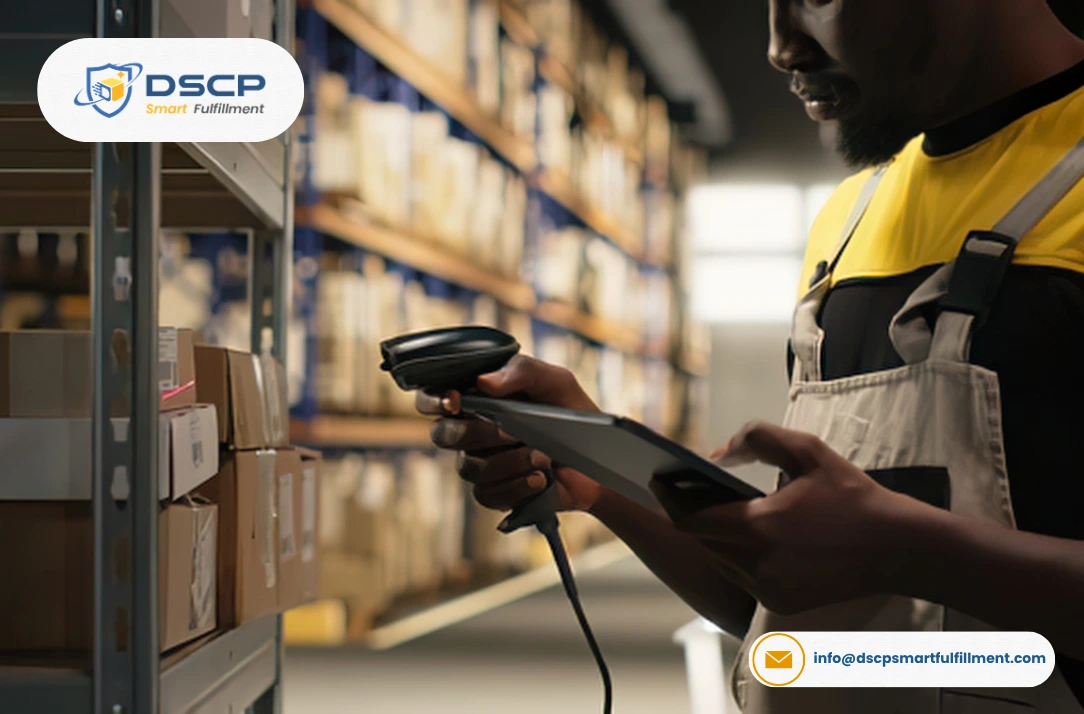
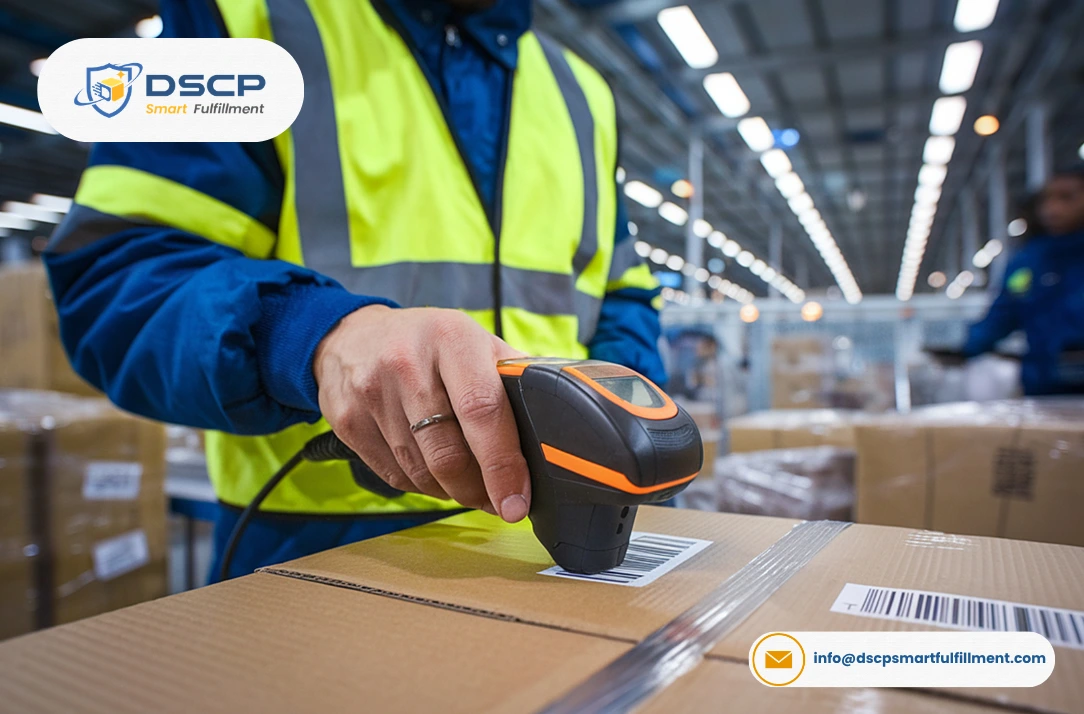
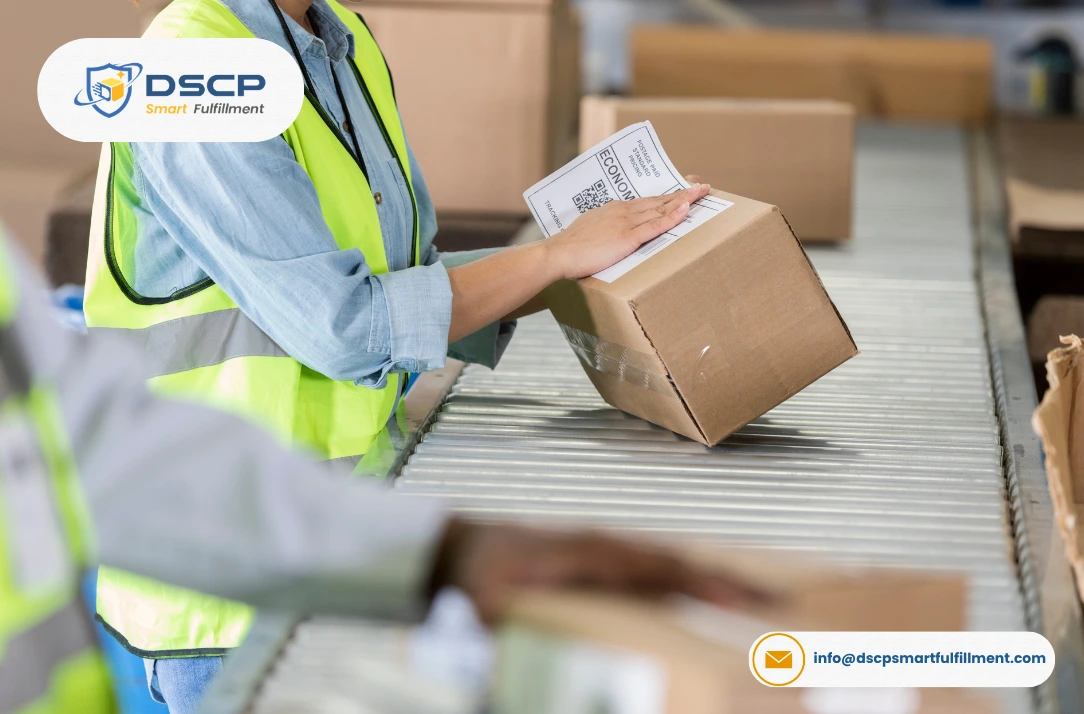
A warehouse worker (or an automated system) retrieves the ordered items from their storage locations. This is the pick and pack stage, and accuracy here is critical. A mis-pick, grabbing the wrong item, wrong size, or wrong quantity, becomes a return, a refund and often a lost customer. Well-run operations use barcode scanning to verify every pick against the order, which is how they achieve accuracy rates of 99% or higher.
Step 4: The Order Is Packed
The picked items are brought to a packing station, inspected, and packed into appropriately sized packaging with any protective materials needed. This stage is about protection and presentation: the product needs to arrive undamaged, and the packaging is a brand touchpoint, especially for direct-to-consumer stores where the unboxing experience shapes how customers feel about your brand. Branded boxes, inserts and custom packaging happen here.
Step 5: The Order Is Shipped
The packed order gets a shipping label, is weighed for carrier billing and is handed to the carrier for delivery. The shipping speed a customer experiences depends heavily on where the product ships from relative to their address. This is why warehouse location is such a powerful lever: inventory positioned close to customers ships faster and costs less, while a single distant location means longer transit times and higher shipping bills.
Step 6: The Customer Tracks and Receives the Order
Once shipped, tracking information should flow back to the customer automatically. This step is where many stores underdeliver. Customers want visibility: research shows 73% of consumers want to track orders throughout delivery, and 88% consider real-time tracking critical to a positive experience (Capital One Shopping, 2026). When tracking updates push back to your store and trigger customer notifications automatically, you reduce anxious “where is my order” support tickets and improve the post-purchase experience.
| Stage | What Happens | Why It Matters |
|---|---|---|
| 1. Order Received | Checkout records the order and routes it for fulfillment | Automatic routing removes manual export and delay |
| 2. Inventory Allocated | Stock is confirmed and assigned, ideally from the nearest location | Real-time sync prevents overselling and cancellations |
| 3. Picked | Items are retrieved from storage, verified by barcode scan | Accuracy here prevents returns, refunds and lost customers |
| 4. Packed | Items are inspected and packed in protective, branded packaging | Protects the product and shapes the unboxing experience |
| 5. Shipped | Label applied, weighed and handed to the carrier | Warehouse location drives delivery speed and cost |
| 6. Tracked and Received | Tracking pushes back to the customer through delivery | Cuts “where is my order” tickets and builds trust |
Your Shopify Fulfillment Options
Shopify stores have four main paths for handling fulfillment, and the right one depends on your order volume, margins and how much of the operation you want to run yourself.
Self-Fulfillment
You store inventory and pack and ship every order yourself, usually from home or a small space. This is where most stores start. It costs little upfront and gives you full control, but it does not scale. Once order volume climbs, packing orders by hand eats up the time you should spend growing the business, and shipping from a single location limits your delivery speed.
Dropshipping
You do not hold inventory. When a customer orders, the supplier ships the product directly to them. This eliminates inventory risk and upfront cost, but you sacrifice control over quality, packaging, shipping speed and the customer experience. It works for testing products, but it rarely builds a strong, lasting brand.
Shopify Fulfillment Network
Shopify’s own fulfillment offering integrates directly with your store and handles storage and shipping. It keeps everything inside the Shopify ecosystem, which is convenient, though the network is still developing and offers less flexibility on custom packaging and specialized needs than a dedicated partner.
A Third-Party Logistics (3PL) Partner
You send your inventory to a 3PL that stores it, then picks, packs and ships every order for you. A good 3PL connects directly to your Shopify store, syncs inventory in real time and ships fast from one or more warehouses. This is the option most growing stores move to when self-fulfillment stops being viable, because it removes fulfillment as a bottleneck while keeping delivery fast and professional. The market reflects this shift: roughly 60% of online retailers now outsource at least part of their fulfillment (Capital One Shopping, 2026).
We compared the leading options in our guide to the best 3PL for Shopify, and if you are weighing whether it is time to make the move, the signs are usually clear: you are shipping more orders than you can pack, running out of space, or losing time to logistics instead of growth.
| Option | How It Works | Best For |
|---|---|---|
| Self-Fulfillment | You store, pack and ship every order yourself | New or low-volume stores testing the market |
| Dropshipping | The supplier ships directly; you hold no inventory | Testing products with minimal upfront risk |
| Shopify Fulfillment Network | Shopify’s own service handles storage and shipping | Stores wanting fulfillment inside the Shopify ecosystem |
| 3PL Partner | A provider stores inventory and fulfills every order for you | Growing stores that have outgrown self-fulfillment |
Why Integration Is the Key to Smooth Fulfillment
Here is the difference between fulfillment that runs invisibly and fulfillment that becomes a daily headache: the integration between your store and wherever orders are fulfilled.
With a proper native integration, the moment a customer checks out, the order flows automatically to the warehouse, the product is picked and packed, tracking pushes back to the customer and your inventory count updates across every location in real time. You do not touch any of it. Without that integration, you are exporting order spreadsheets, manually updating stock counts and discovering too late that you oversold a product. The manual version does not just cost time. It introduces the errors that turn into refunds and bad reviews.
This is why, when evaluating any fulfillment solution, the quality of the Shopify integration should be your first question. Orders should route automatically, inventory should sync in real time and tracking should flow back without manual work. Anything less reintroduces the friction you are trying to remove.
How DSCP Smart Fulfillment Handles Shopify Orders
At DSCP Smart Fulfillment, the entire operation is built around Shopify, so the steps that usually slow stores down are already handled. Our Shopify fulfillment service connects directly to your store, and the moment a customer checks out, the order flows to our warehouse automatically. Inventory syncs in real time across both our locations, so you never oversell.
From there, we pick and pack with 99.9% accuracy and hand orders to the carrier the same day when they are placed by 5 PM EST. Because we hold your inventory in warehouses in Pomona, California, and New Brunswick, New Jersey, each order ships from whichever coast is closer to your customer, which is how most US shoppers receive their orders in 2 to 4 days. Returns come back to our warehouse, where we inspect and restock them rather than leaving that work to you. Throughout, you get competitive, transparent pricing with no hidden fees and a dedicated account manager who knows your store by name. Get in touch to see how it would work for your business.
When to Move From Self-Fulfillment to a Partner
Most Shopify stores start by fulfilling orders themselves, and that is the right call early on. The question is when to hand it off. The clearest signals are these: you are consistently shipping more orders than you can comfortably pack in a day, fulfillment is eating time you should spend on marketing and product, you are running out of storage space, your shipping speeds are not competitive because you ship from one location, or peak seasons overwhelm you. When two or more of these are true, a fulfillment partner stops being a cost and becomes leverage.
The average order fulfillment turnaround across the industry runs about 4.2 days, but customer expectations are tighter than that: 63% of consumers will choose a different retailer next time if shipping takes longer than two days (Capital One Shopping, 2026). A fulfillment operation positioned close to your customers is what closes that gap, and it is difficult to replicate from a single home base as you scale.
Conclusion
Shopify order fulfillment is a six-stage journey: an order is placed, inventory is allocated, the product is picked, packed, shipped and tracked to the customer’s door. Every stage is a point where things can run smoothly or break down, and the connective tissue that keeps it all working is a clean integration between your store and your fulfillment operation.
Whether you self-fulfill, dropship, use Shopify’s network, or partner with a 3PL, the goal is the same: get the right product to the right customer, fast and accurately, without fulfillment consuming your business. Understand the process, choose the option that fits your stage, and fulfillment becomes what it should be, an invisible engine that quietly delivers on every promise your store makes.
US vs China Fulfillment: Cost, Speed and Capital Compared
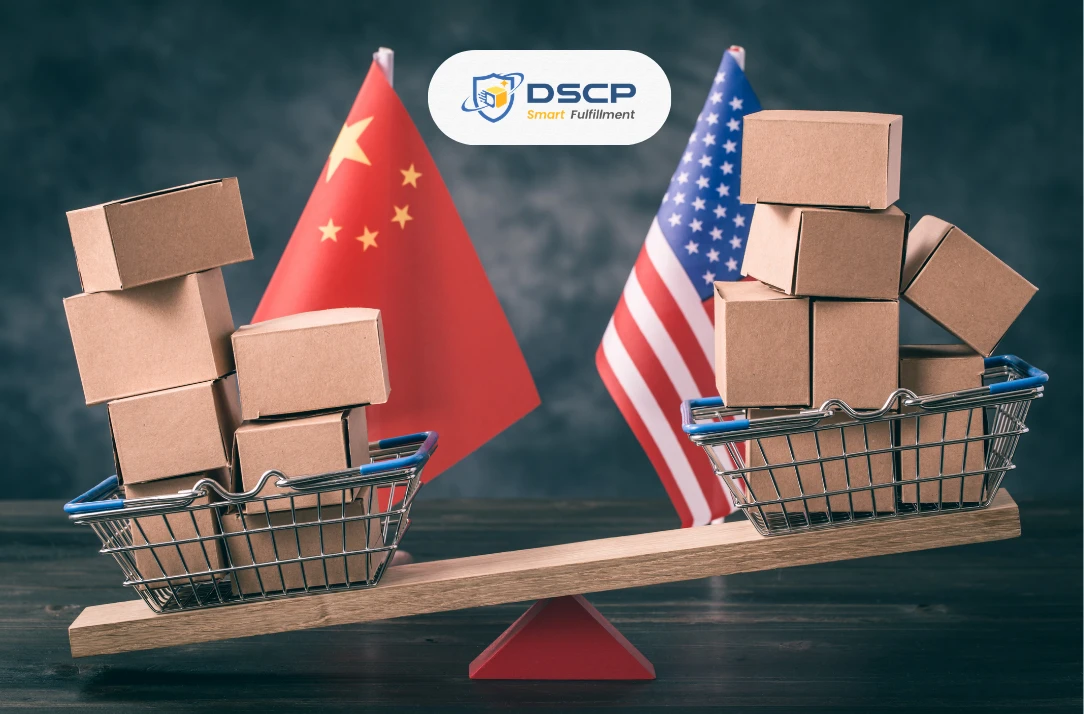
Most sellers assume China is cheaper. On our own orders it is not: for light items a US warehouse costs less per order and lands in 2 to 4 days instead of 7 to 12.
3PL Philadelphia: What to Check Before You Sign
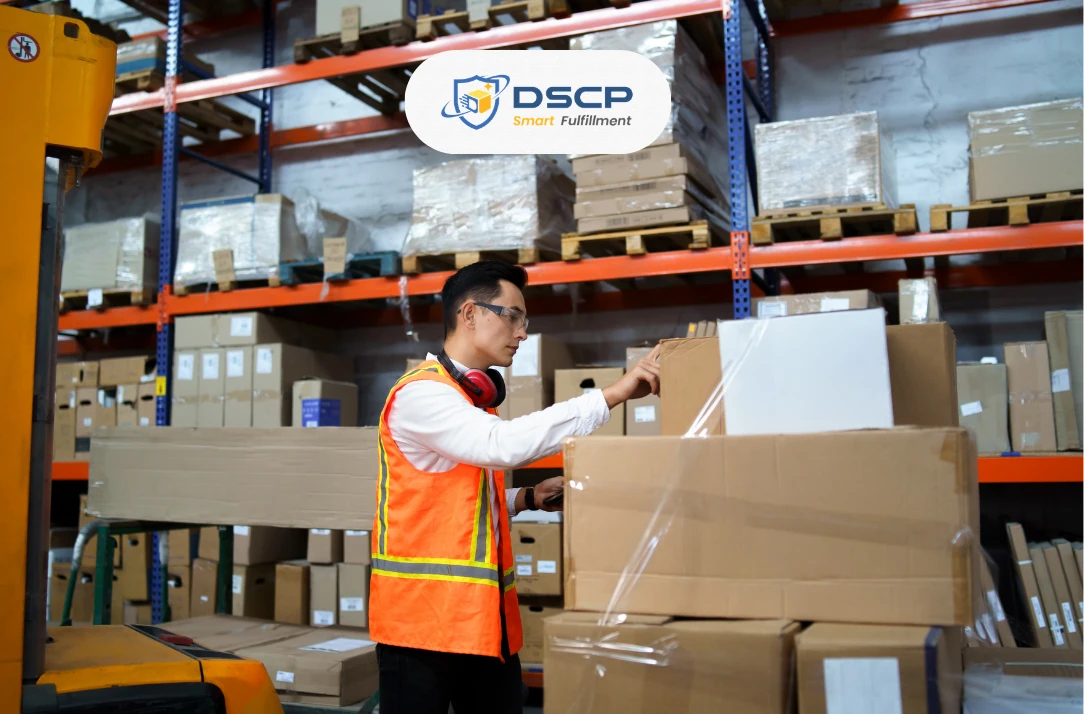
Most Philadelphia 3PLs sit within 60 miles of the city and deliver in the same one to two days. Here is what actually differs, and the four questions to ask.