
Shipping Zones Explained for Ecommerce Brands
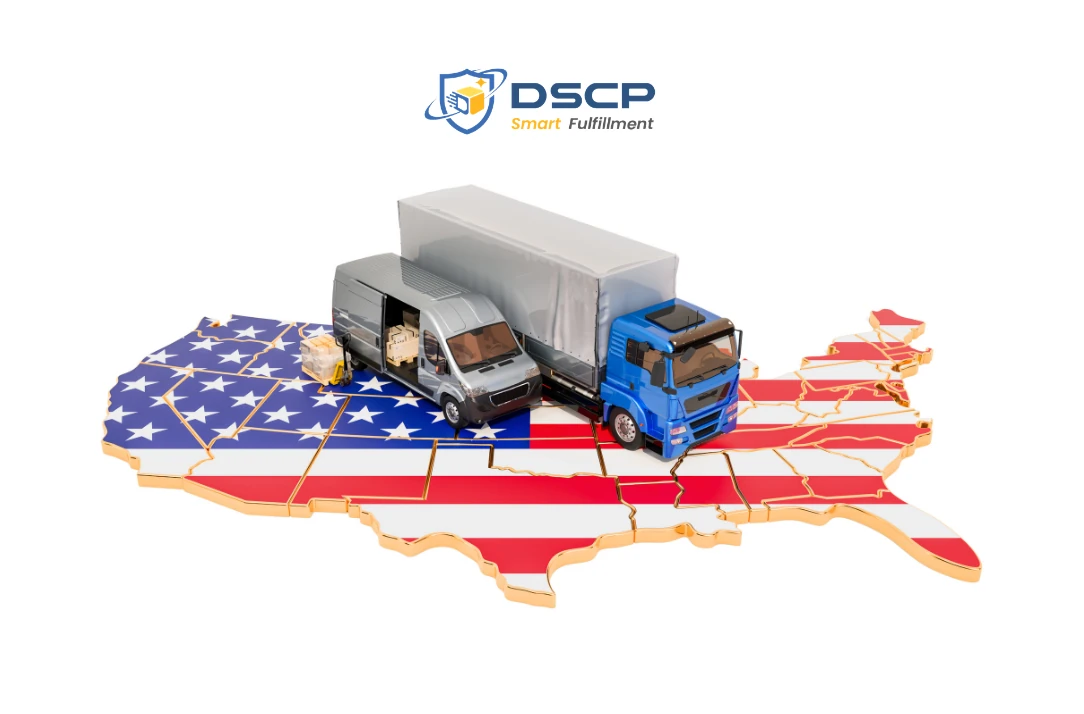
The US Postal Service divides the country into nine shipping zones, and every one of them is measured from the ZIP code a parcel leaves, not the one it arrives at (US Postal Service, 2026). That single fact is why two brands selling the same product at the same price to the same customer can pay very different amounts to deliver it.
Zones are the quiet variable behind most of what makes ecommerce shipping expensive or cheap, fast or slow. They decide your carrier rate, your transit time and whether a two-day promise costs you a few dollars or the whole margin. This guide explains how they work, why your warehouse location decides them, and what to do about it.
Key Takeaways for Shipping Zones
- US carriers use nine zones. Zone 1 is local, Zone 8 is the far side of the country, and Zone 9 covers US territories.
- Zones are counted from the origin, so moving your inventory changes every zone on every order at once.
- Higher zones cost more and take longer, and the gap widens as parcels get heavier.
- A northeast customer is a low zone from New Jersey and Zone 8 from California. Holding stock on both coasts keeps most orders in the cheaper, faster zones.
- In Shopify, “shipping zones” means something different: the regions you set up to show customers rates at checkout.
What Are Shipping Zones?
Shipping zones are distance bands that carriers such as USPS, UPS and FedEx use to price and schedule domestic parcels. Rather than charging by the exact mile, a carrier groups every destination into a numbered zone based on how far it sits from the origin ZIP code, from Zone 1 for nearby addresses up to Zone 8 for the other side of the country, with Zone 9 reserved for US territories.

Because the count always starts at the origin, the zone is a property of the route, not of the customer: the same delivery address can be a low zone from one warehouse and a high zone from another. Higher zones carry higher rates and longer transit times, which is why the location of your inventory is one of the largest levers on both your shipping cost and your delivery speed.
How Shipping Zones Are Calculated
Carriers measure the distance between the first three digits of the origin ZIP code and the first three digits of the destination, then drop the result into a band. The further the band, the higher the zone number.
Two details catch people out. The distance is measured roughly as the crow flies between ZIP code areas, not along the road, so a zone can feel lower than the drive would suggest. And each carrier publishes its own zone chart, so a UPS zone and a USPS zone for the same route will usually match but are not guaranteed to.
Why Zones Matter More Than Your Carrier
Most brands spend their energy negotiating carrier rates. Zones usually move the bill further, because they affect three things at once.
Speed is the one that sneaks up on growing brands. If you promise two-day delivery nationally from a single warehouse, every Zone 7 or 8 order has to go on an expedited service to keep the promise, and those labels cost several times the ground rate. That is the mechanism behind almost every brand that finds its free shipping offer quietly eating its profit, and it is the problem our guide to offering two-day shipping on Shopify is built around.
Where You Ship From Decides Your Zones
Because every zone is counted from the origin, the warehouse your inventory sits in sets the zone for every order before a single customer checks out. The clearest way to see it is to hold the destination still and change the origin.
| DESTINATION | FROM NEW JERSEY | FROM CALIFORNIA | WITH BOTH |
|---|---|---|---|
| New York City | Zone 1 | Zone 8 | Zone 1 |
| Boston | Zone 3 | Zone 8 | Zone 3 |
| Washington, DC | Zone 3 | Zone 8 | Zone 3 |
| Chicago | Zone 5 | Zone 7 | Zone 5 |
| Dallas | Zone 6 | Zone 6 | Zone 6 |
| Los Angeles | Zone 8 | Zone 1 | Zone 1 |
Read the table from left to right and the pattern is hard to miss. A New Jersey warehouse puts the northeast corridor in Zones 1 to 3 and the West Coast in Zone 8. A California warehouse does the reverse. Only the middle of the country, Dallas here, is roughly the same from either side. So a brand whose buyers are concentrated on one coast pays Zone 8 rates on every order shipped from the other.
Two Warehouses, Fewer High Zones
The last column is the argument for holding stock on both coasts. With inventory in New Jersey and California, no major city in that table is served from beyond Zone 6, and the two densest markets in the country both drop to Zone 1. You are not paying for faster shipping. You are removing the distance that made shipping slow and expensive in the first place.
The catch is that two warehouses only pay off when you have the volume to keep stock in both without spreading it too thin. Fast-moving SKUs usually belong on both coasts. Slower ones often do better held in one place, closest to where most of their orders go.
What Shipping Zones Mean in Shopify
If you searched this from inside your Shopify admin, you may have meant something different. In Shopify, a shipping zone is a group of countries or regions you define inside a shipping profile, so you can show customers the right rates and delivery options at checkout. It is a store setting, not a carrier measurement.
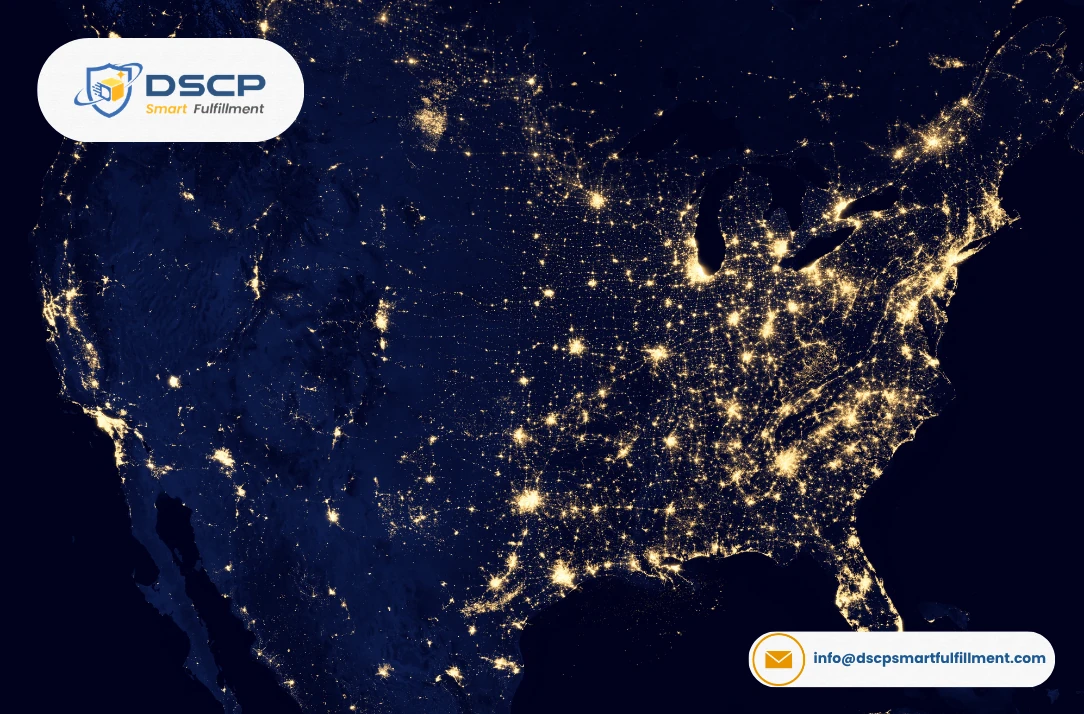
The two meet in one useful place. Once you know which regions your warehouse can reach in a day or two by ground, you can set up a Shopify zone for exactly that area and offer faster delivery only there, with standard delivery times everywhere else. That keeps a speed promise honest without paying expedited rates to customers in Zone 8.
How to Lower Your Average Zone
- Map your orders first: Pull three months of shipping data and see which zones your parcels actually travel. Most brands find a small number of regions account for most of their orders.
- Put stock where the orders are: If most orders land in the northeast, a warehouse in the corridor drops your average zone further than any rate negotiation.
- Split fast movers across both coasts: Once volume allows, holding your best sellers on each side keeps almost every order out of the top zones.
- Cut weight and box size: Zones hurt heavy and bulky parcels most, so smaller packaging lowers what each zone costs you.
For the cost side in more depth, including consolidating shipments and zone skipping, our guide to reducing ecommerce shipping costs covers the full set of levers.
How DSCP Smart Fulfillment Keeps Zones Low
DSCP Smart Fulfillment runs two warehouses built around exactly this map. Our east coast fulfillment center in New Brunswick, New Jersey puts the northeast corridor in the lowest zones, and our west coast 3PL warehouse in Pomona, California does the same for the western states. Together they reach roughly 80% of the US population in two to four days by ground, and you can compare how the two warehouse locations divide the country before deciding where your stock should sit.
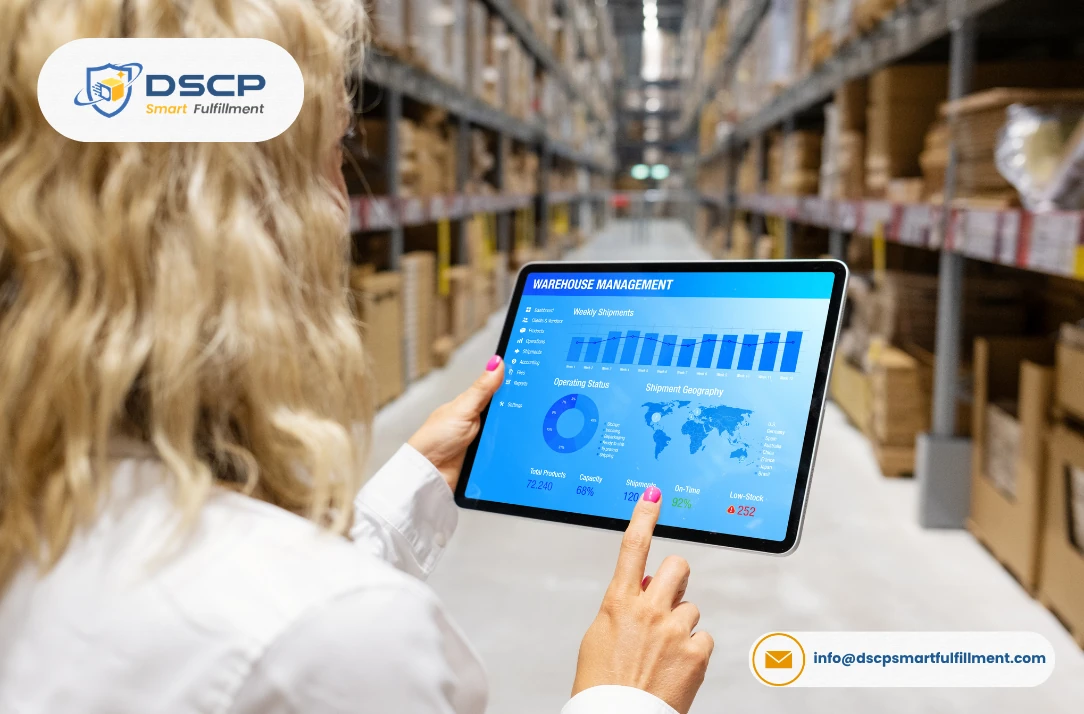
Orders released by 5 PM EST ship the same day at 99.9% pick and pack accuracy, so a low zone turns into a genuinely fast delivery rather than a parcel that sat overnight first. Both sites run on the same systems with a native Shopify integration, and every fee is itemized before you onboard.
See Your Own Zone Mix
Send us three months of order destinations and your product weights, and we will show you which zones your parcels travel today and how they would change from one or both of our warehouses. Get in touch and we will run the map for you.
Conclusion
Shipping zones look like a carrier detail and behave like a strategy decision. They are measured from where your parcel starts, so the choice of warehouse sets the zone, the rate and the delivery time for every order you will ever ship from it. Brands that treat zones as fixed spend their effort negotiating rates. Brands that treat them as a choice move their inventory closer to their customers, and let the distance do the saving.
When and How to Split Inventory Between Warehouses
Splitting inventory across two warehouses cuts shipping zones and delivery times, but only for the right products. Which to split, and how to divide them.

Subscription Box Fulfillment: Getting the Ship Cycle Right
A late or incomplete box is one of the fastest ways to lose a subscriber. Here is how subscription fulfillment really works, and how to keep every cycle on time.