White Label vs Private Label: Which Is Best for E-Commerce?
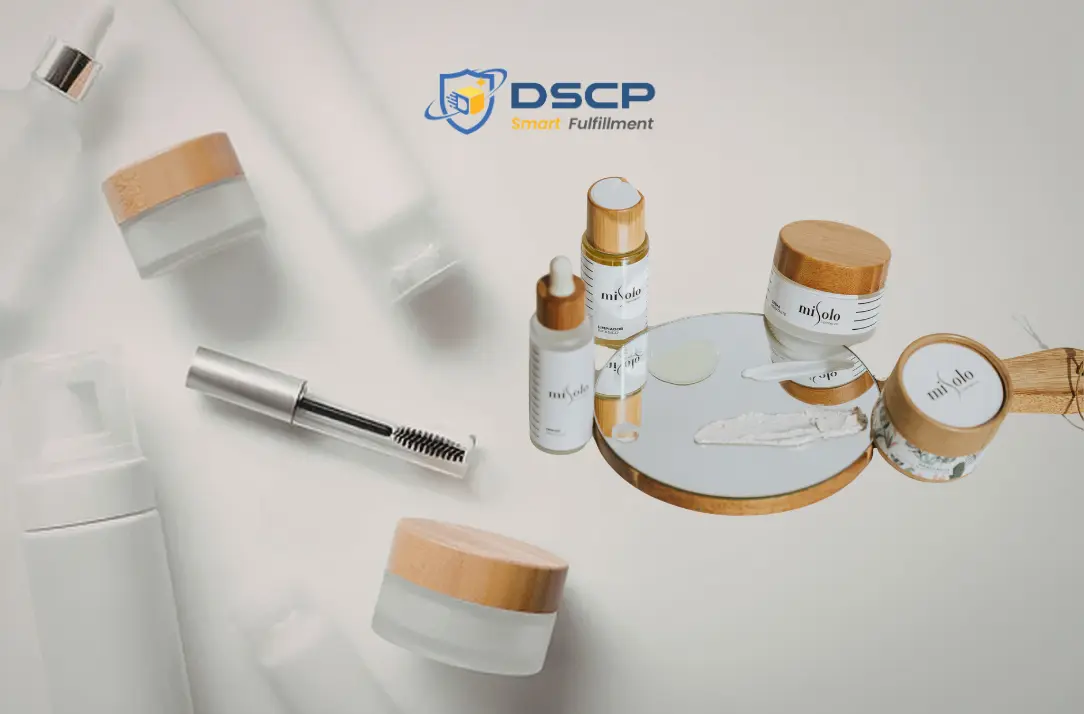
If you are building an e-commerce brand, one of the earliest decisions you will face is how your products are made and who controls the process. Two of the most common models are white label and private label. Both involve selling products manufactured by a third party under your own brand name, but they differ significantly in cost, customization, timeline and long-term brand potential.
This distinction matters more than most sellers realize. US private label sales reached a record $282.8 billion in 2025, growing nearly three times faster than national brands (PLMA, 2026). The global private label market is projected to reach $1.62 trillion by 2034, driven by consumers who increasingly trust and prefer store-branded products (Customcy, 2026). Whether you choose white label or private label will shape your profit margins, your competitive positioning and your ability to build a brand that lasts.
This guide breaks down the key differences between the two models, the advantages and trade-offs of each, and how to decide which approach fits your business.
Key Takeaways for White Label vs Private Label
- White label products are generic items manufactured by a third party and sold by multiple retailers under different brand names. You add your logo and packaging, but the product itself is identical across sellers.
- Private label products are manufactured exclusively for your brand based on your specifications. You control the formulation, materials, design and packaging.
- White label is faster and cheaper to launch, making it ideal for testing markets or expanding product lines quickly.
- Private label offers stronger brand differentiation and higher margins but requires more upfront investment, longer lead times and deeper supplier relationships.
- Many successful e-commerce brands start with white label products to validate demand, then transition to private label as they scale.
What Is White Label?
White labeling is when a manufacturer produces a generic product that multiple retailers can purchase and sell under their own brand names. The product is the same across all buyers. The only differences are the logo, packaging and pricing that each seller applies.
Think of it as a blank canvas. The manufacturer creates the product, and you paint your brand onto it. A single skincare manufacturer might produce the same moisturizer for ten different e-commerce brands, each with its own label, box design and price point. The formula inside is identical.
White label works well in categories where the product itself is standardized and the brand experience (packaging, marketing, customer service) is what differentiates sellers. Common white label categories include:
- Skincare and cosmetics
- Supplements and vitamins
- Coffee and beverages
- Phone accessories and electronics
- Apparel basics and activewear
- Pet products and grooming items
The appeal is speed and simplicity. Because the product already exists, you skip the entire development phase: no formulation, no prototyping, no factory tooling. You select a product, apply your branding and start selling. For sellers looking to source products without a large upfront investment, white label lowers the barrier to entry significantly.
What Is Private Label?
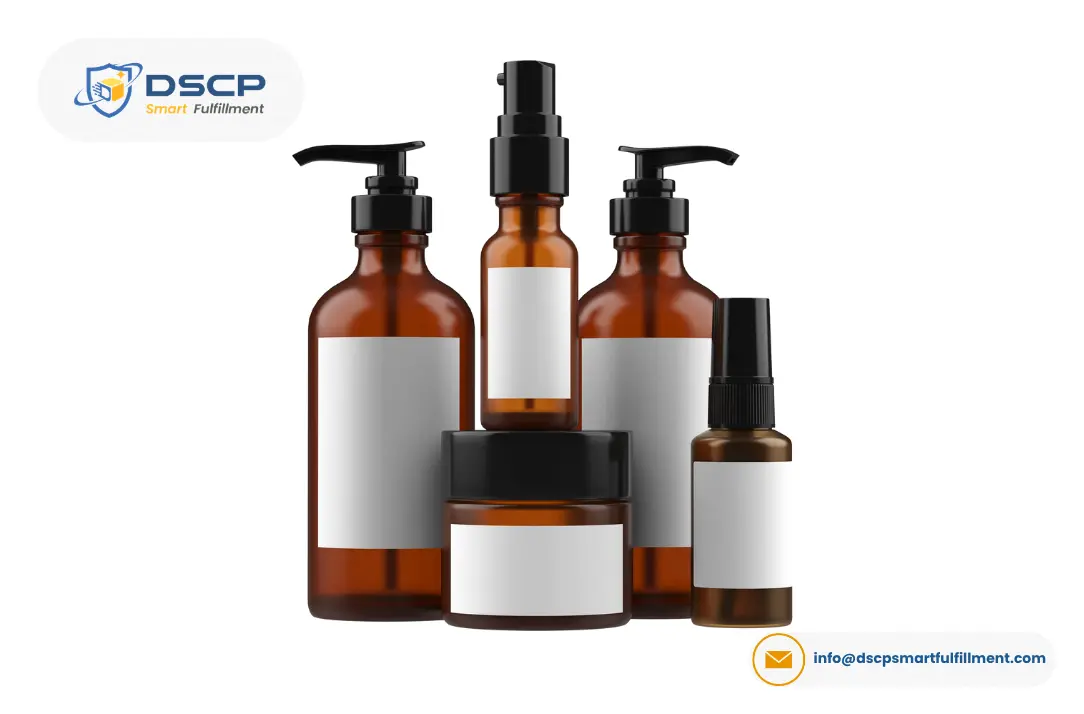
Private labeling is when a manufacturer produces a product exclusively for your brand based on your specific requirements. You define the ingredients, materials, dimensions, design and packaging. The manufacturer builds it to your specification, and the product is sold only by you.
This is the model behind brands like Kirkland Signature (Costco), AmazonBasics and Trader Joe’s entire product range. In the e-commerce world, private label is how most direct-to-consumer brands build products that customers cannot find anywhere else.
The level of customization can range from minor modifications (adjusting scent, color, or size of an existing product) to full ground-up development where you specify every detail from raw materials to packaging inserts. The more customization you require, the higher the minimum order quantities and the longer the lead time.
Private label gives you something white label cannot: exclusivity. No competitor can sell your exact product because it was made for you alone. That exclusivity supports higher pricing, stronger customer loyalty and a defensible brand position over time.
Key Differences Between White Label and Private Label
Product Customization
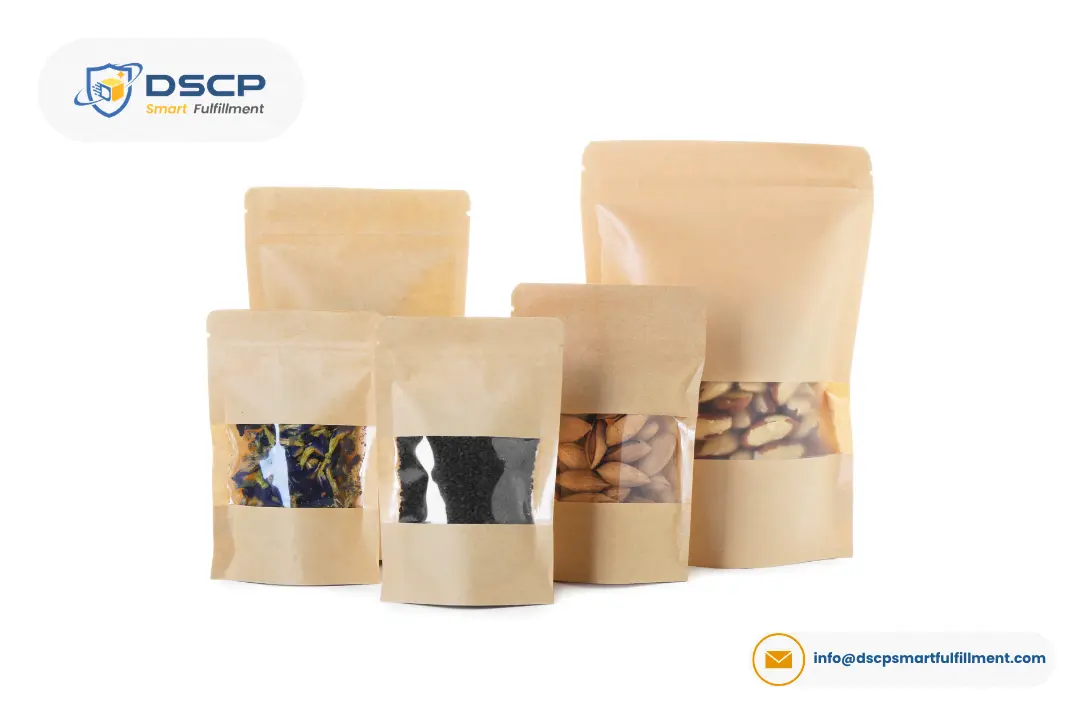
With white label, you have little to no control over the product itself. You choose from what the manufacturer already produces and add your branding. With private label, you define the product specifications. You can adjust formulations, choose materials, customize sizes and create packaging that reflects your brand identity.
Exclusivity
White label products are sold by multiple retailers simultaneously. Your competitors may be selling the same product with a different label. Private label products are exclusive to your brand. No other seller has access to your exact product.
Startup Cost
White label requires significantly less upfront capital. Initial inventory orders typically range from $500 to $3,000, depending on the product and minimum order quantity (Ecommerce.co, 2026). Private label sits at the higher end, with realistic starting points between $3,000 and $10,000 or more when factoring in product development, sampling, production and shipping.
Time to Market
White label products can be ready to sell within two to four weeks since the product already exists. Private label products typically require three to six months from concept to first inventory delivery, accounting for development, sampling, production and logistics.
Profit Margins
White label margins tend to be lower because multiple sellers compete on similar products, which compresses pricing. Private label margins are typically higher because exclusivity and differentiation allow you to command premium pricing. According to industry data, private label products can deliver 25 to 30% higher gross margins compared to reselling national brands (Amra and Elma, 2025).
Brand Building
White label builds brand awareness but limited loyalty, since the product itself is not unique. Private label builds deeper brand equity because customers associate your brand with a product they cannot get elsewhere.
| Factor | White Label | Private Label |
|---|---|---|
| Product Customization | Minimal; you brand an existing product | Full control over formulation, design and packaging |
| Exclusivity | None; multiple sellers offer the same product | Exclusive to your brand only |
| Startup Cost | $500 – $3,000 | $3,000 – $10,000+ |
| Time to Market | 2 – 4 weeks | 3 – 6 months |
| Profit Margins | Lower due to price competition | 25 – 30% higher than white label |
| Brand Equity | Limited; product is not unique | Strong; customers associate your brand with a unique product |
| Best For | Testing markets, quick launches, low budgets | Long-term brand building, premium positioning |
Advantages and Trade-Offs at a Glance
White Label Advantages
- Lower startup costs and minimal financial risk
- Faster time to market with no development phase
- Ability to test new product categories quickly
- Less operational complexity in sourcing and quality control
- Works well for expanding an existing product line or monetizing an audience
White Label Trade-Offs
- High competition since multiple brands sell the same product
- Limited differentiation beyond packaging and marketing
- Lower margins due to pricing pressure from competitors
- Harder to build long-term customer loyalty around a non-exclusive product
Private Label Advantages
- Full control over product quality, design and branding
- Exclusivity that competitors cannot replicate
- Higher margins supported by premium positioning
- Stronger brand equity and customer loyalty over time
- Ability to iterate and improve the product based on customer feedback
Private Label Trade-Offs
- Higher upfront investment in development, sampling and production
- Longer lead times from concept to first sale
- Greater supply chain complexity, especially for custom formulations
- Higher risk if the product does not sell as expected
Which Model Is Right for Your E-Commerce Business?
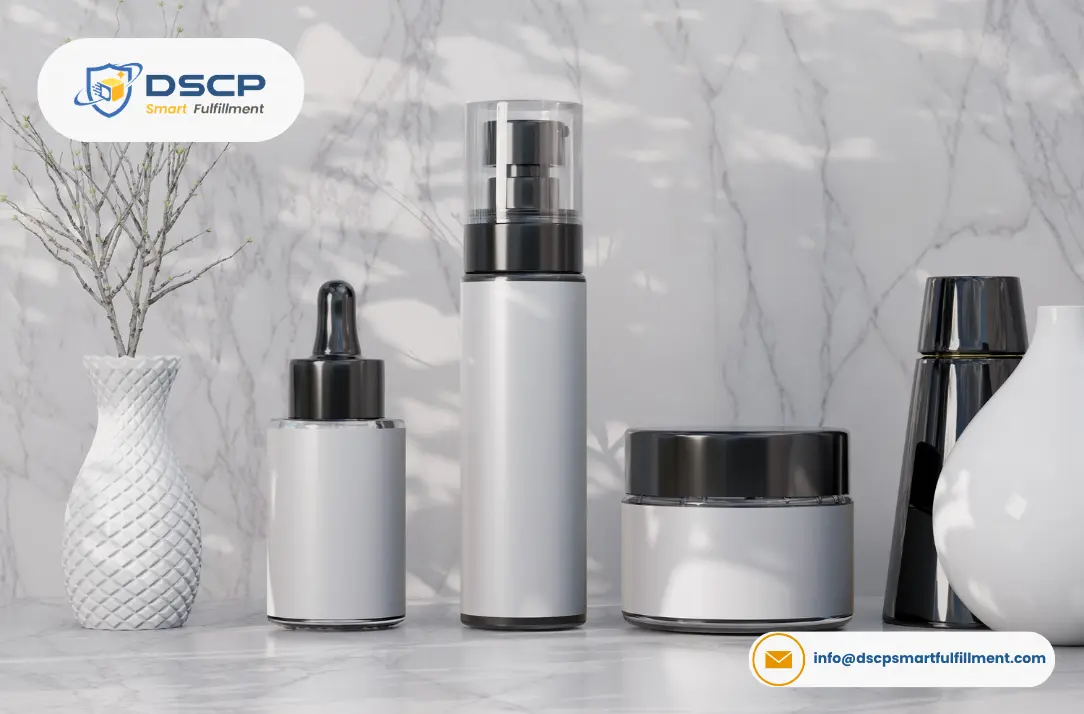
The answer depends on where you are in your business journey, your budget and your long-term goals.
Choose white label if:
- You are launching your first e-commerce brand and want to minimize risk
- You need to get products to market quickly
- You are testing a new product category before committing to full development
- You have an existing audience (blog, social media, email list) and want to monetize it with branded products
- Your budget for initial inventory is under $3,000
| Your Situation | Recommended Model | Why |
|---|---|---|
| First-time seller with under $3,000 budget | White Label | Lower risk, faster launch, validates demand before bigger investment |
| Scaling brand with proven product-market fit | Private Label | Exclusivity and higher margins justify the upfront investment |
| Influencer or content creator monetizing audience | White Label | Speed to market matters more than product uniqueness at this stage |
| Amazon seller in competitive category | Private Label | Differentiation is essential to avoid price wars on identical products |
| Testing a new product category | White Label | Proves demand with minimal capital before committing to development |
| Building a premium DTC brand | Private Label | Custom products support premium pricing and long-term brand loyalty |
Choose private label if:
- You want to build a brand with long-term equity and customer loyalty
- You are willing to invest more upfront for higher margins over time
- You have identified a specific product gap or improvement in your market
- You plan to sell on competitive marketplaces like Amazon, where differentiation matters
- You are scaling beyond the limitations of white label competition
In an e-commerce discussion on Reddit, one seller noted that many successful brands start with a white label to validate that there is demand for a product before investing in a full private label version. This approach reduces the risk of spending thousands on custom product development only to discover that the market is not there. Start with white label, prove the concept, then invest in private label once you have data to support the decision.
How Sourcing and Fulfillment Connect to Both Models

Whether you choose white label or private label, two operational challenges remain the same: getting the products made correctly and getting them to your customers on time.
For white label, the sourcing process is straightforward because the product exists. Your primary job is vetting the manufacturer for quality consistency and ensuring the branding and packaging meet your standards.
For private label, sourcing is more complex. You need to find a manufacturer who can produce to your specifications, manage sample iterations, conduct quality inspections and coordinate production timelines. Having a sourcing partner who handles supplier vetting and quality control can save months of trial and error.
Once products are manufactured, they need to reach your fulfillment network. For brands selling in the US market, pre-positioning inventory in strategically located US warehouses ensures fast delivery and lower shipping costs. A 3PL provider that handles receiving, storage, pick-and-pack and shipping lets you focus on growing your brand instead of managing logistics.
What Our Clients Say
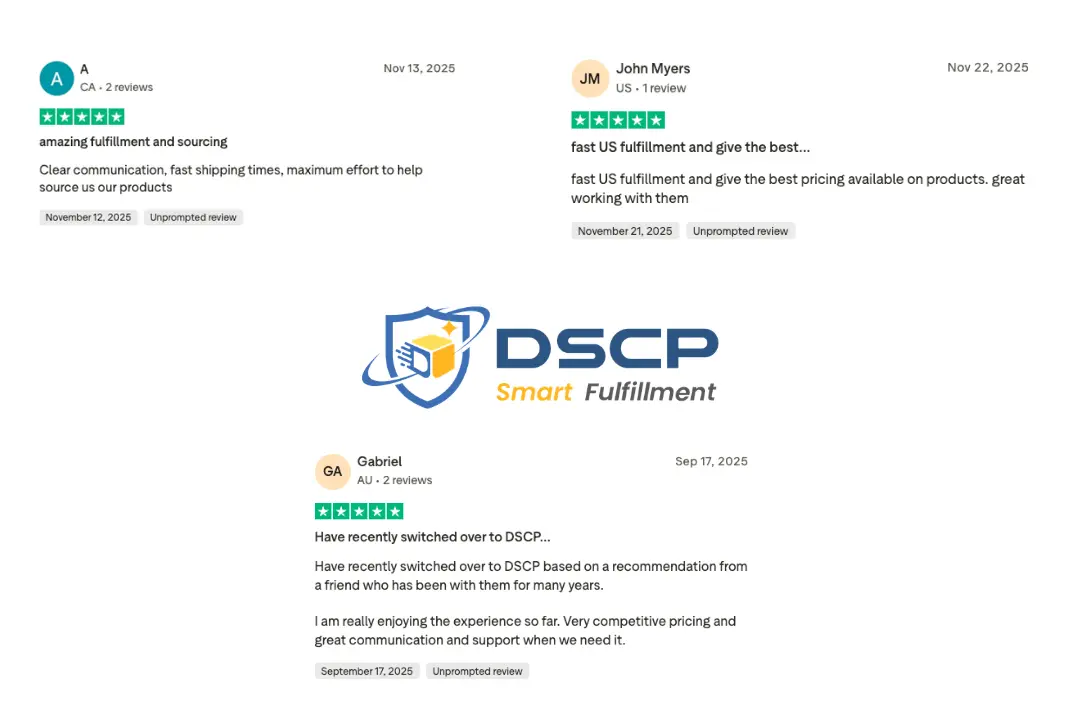
Whether our clients sell white label or private label products, the results speak through their experience.
“Have recently switched over to DSCP based on a recommendation from a friend who has been with them for many years. I am really enjoying the experience so far. Very competitive pricing and great communication and support when we need it.” – Gabriel, Trustpilot (5 stars)
“Clear communication, fast shipping times, maximum effort to help source our products.” – A, Trustpilot (5 stars)
“Fast US fulfillment and give the best pricing available on products. Great working with them.” – John Myers, Trustpilot (5 stars)
Start Building Your Brand With the Right Partner
Choosing between white label and private label is the first step. Executing it is where most brands need support. From product sourcing and quality control to US-based e-commerce fulfillment from warehouses in California and New Jersey, DSCP Smart Fulfillment manages the entire journey from manufacturer to customer. Whether you are launching your first white label product or scaling a private label brand, reach out to discuss how we can help you bring your products to market.
Conclusion
White label and private label are not competing strategies. They are different tools for different stages and goals. White label gets you to market fast with minimal risk. Private label builds the kind of brand equity that sustains long-term growth and commands premium pricing.
The smartest approach for many e-commerce brands is to start with white label to validate demand and generate revenue, then transition to private label once you have the data, the customer base and the capital to invest in custom products. Whichever path you choose, the operational foundation stays the same: reliable sourcing, consistent quality and a fulfillment partner that delivers on time, every time.
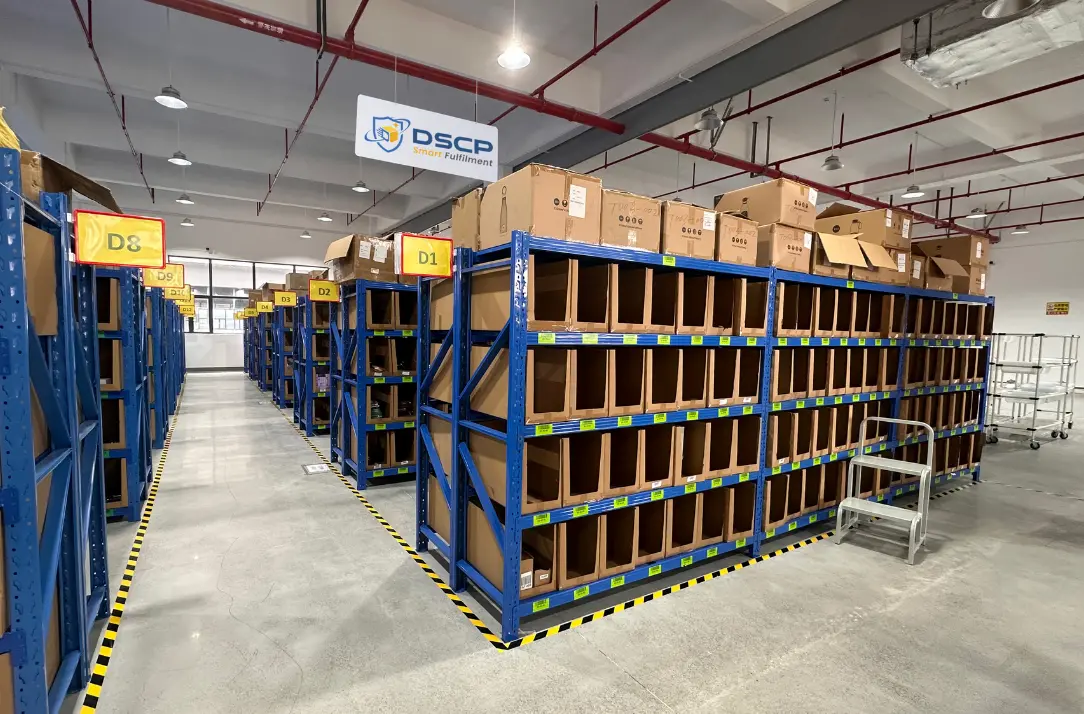
What Really Changes When You Switch to US Fulfillment
Switching to US fulfillment is an operational upgrade, not just faster shipping. See how it changes forecasting, costs and customer retention.
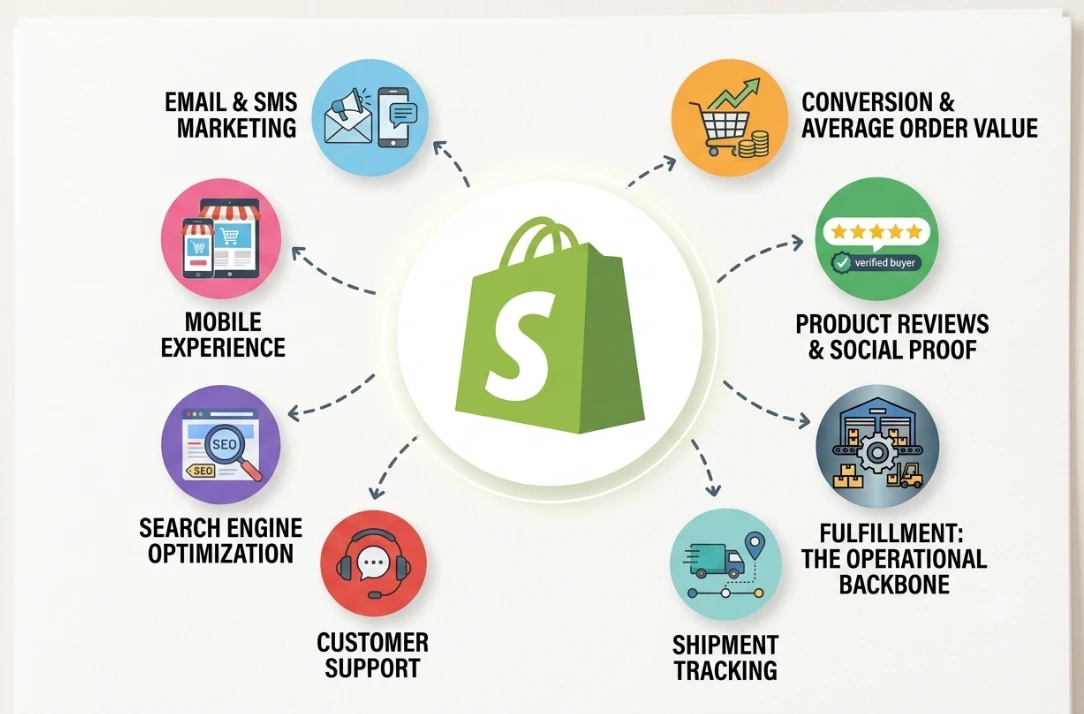
9 Best Shopify Apps Every New Store Needs in 2026
The 9 best Shopify apps every new store needs in 2026, organized by job, from email and reviews to fulfillment. Build a lean stack that actually performs.