
Best Hybrid Fulfillment Providers: 5 Companies Compared
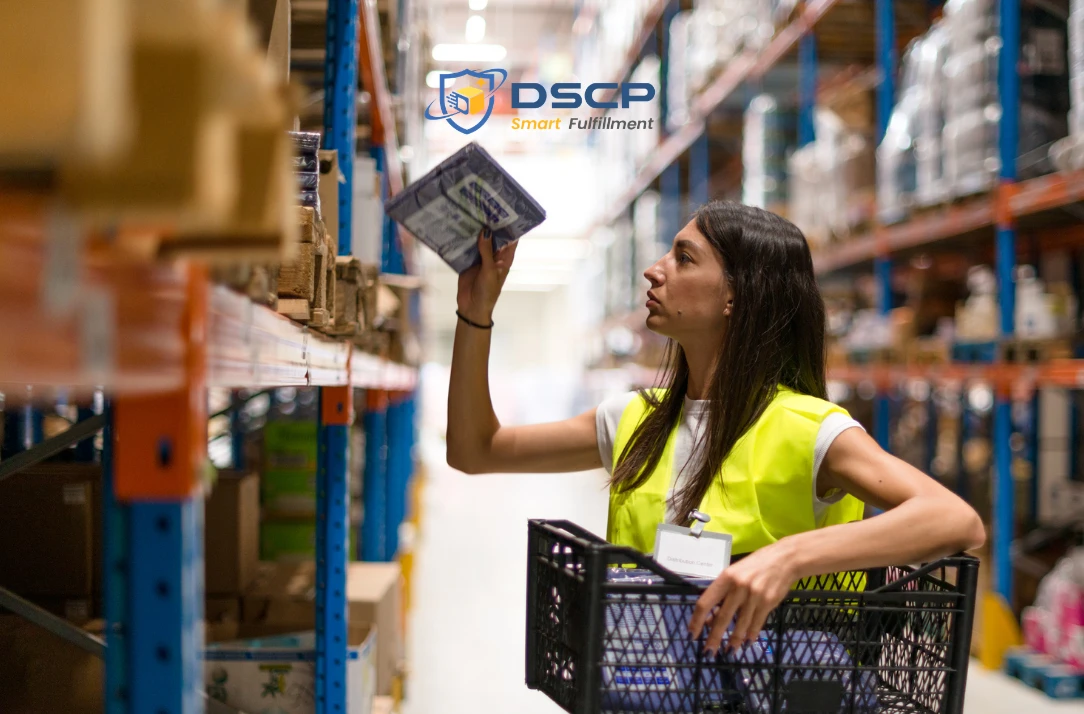
Hybrid fulfillment has moved from a niche tactic to the default strategy for scaling e-commerce brands, and the reason is simple math. Multichannel e-commerce sales are projected to total $892.4 billion in 2026, up 15.0% year over year, and omnichannel customers spend 16% more per order with 30% higher lifetime value than single-channel shoppers (Capital One Shopping, 2026). Brands are selling in more places than ever, and forcing every product through a single fulfillment method quietly erodes the margins that growth depends on.
But here is what most sellers discover too late: very few fulfillment providers are genuinely built for hybrid. Plenty will store your inventory and ship your orders. Far fewer can run a true hybrid operation, which means handling your direct-to-consumer orders while also prepping and replenishing your Amazon FBA stock, keeping one accurate inventory picture across both, and shipping parcel and freight without you managing the seams. That gap is the difference between a hybrid setup that works and one that creates more problems than it solves.
This guide compares five fulfillment providers on their actual hybrid capability, not their general size. Each is assessed on how well it supports a brand running multiple fulfillment channels at once, including where each one falls short.
Key Takeaways for the Best Hybrid Fulfillment Providers
- Hybrid fulfillment means combining two or more fulfillment methods, most commonly a 3PL for direct-to-consumer orders paired with Amazon FBA for fast-moving marketplace SKUs.
- Genuine hybrid capability requires FBA prep and replenishment, unified inventory across channels, and both parcel and freight shipping from one operation.
- DSCP Smart Fulfillment is built for hybrid, serving as the 3PL backbone that handles DTC orders while prepping and replenishing FBA inventory from bi-coastal US warehouses.
- Larger networks and specialists each support parts of a hybrid setup, but most carry constraints such as minimums, product restrictions, or platform lock-in.
- Verify FBA prep capability, inventory sync across channels and freight handling before committing to any hybrid partner.
What Is Hybrid Fulfillment?
Hybrid fulfillment is a logistics strategy where an e-commerce brand uses two or more fulfillment methods at the same time, assigning each product or sales channel to whichever method serves it best. The most common combination pairs a third-party logistics (3PL) provider handling direct-to-consumer and wholesale orders with Amazon FBA, which handles fast-moving marketplace SKUs that benefit from Prime eligibility. The 3PL typically acts as the master inventory hub, holding the bulk of the stock and replenishing FBA based on sell-through. The goal is to match each product to the most cost-effective and fastest channel rather than forcing everything through one model.
What Makes a Provider Genuinely Hybrid-Capable
Before the comparison, it is worth being precise about what hybrid capability actually requires, because many providers describe themselves as hybrid-friendly without meeting the operational bar. Four things matter:
- FBA prep and replenishment: The provider must be able to receive your bulk inventory, prep it to Amazon’s requirements (labeling, poly bagging, case packing, carton specifications), and ship replenishment shipments into Amazon fulfillment centers on schedule.
- Unified inventory across channels: One accurate stock picture covering DTC, wholesale and Amazon-bound inventory. Without this, you oversell on one channel while sitting on dead stock in another.
- Both parcel and freight: DTC orders ship parcel. FBA replenishment ships freight on pallets. A hybrid partner needs to do both natively.
- Flexible allocation: The ability to shift stock between channels as demand, fees and seasonality change, without a lengthy process every time.
A provider missing any of these forces you to bridge the gap yourself, which defeats the point of a hybrid setup.
| Capability | What It Means | What Breaks Without It |
|---|---|---|
| FBA prep and replenishment | Labeling, poly bagging, case packing and scheduled shipments into Amazon | You prep and ship FBA inventory yourself |
| Unified inventory | One accurate stock picture across DTC, wholesale and Amazon-bound stock | Overselling on one channel, dead stock on another |
| Parcel and freight | Parcel for DTC orders, palletized freight for FBA replenishment | You coordinate two providers and two processes |
| Flexible allocation | Shift stock between channels as fees, demand and seasons change | You lose the flexibility hybrid exists to provide |
The 5 Best Hybrid Fulfillment Providers in 2026
1. DSCP Smart Fulfillment
Best for: Brands running a 3PL plus FBA hybrid setup that want competitive, transparent pricing, fast bi-coastal delivery and dedicated support.
DSCP Smart Fulfillment is built specifically to serve as the 3PL backbone inside a hybrid operation, which is a different job from simply storing and shipping inventory. It holds your master inventory, fulfills your direct-to-consumer and wholesale orders, and preps and replenishes your Amazon FBA stock from the same pool, so you are running one operation rather than coordinating two disconnected ones.
The operational specifics are what make hybrid work in practice. Orders placed by 5 PM EST ship the same day, and pick and pack runs at 99.9% accuracy, so your DTC customers get the same reliability as your marketplace buyers. Inventory sits in two US warehouses in Pomona, California and New Brunswick, New Jersey, which puts stock on both coasts and reaches 80% of the US population within two to four days by ground. That bi-coastal position matters more in a hybrid setup than a single-channel one, because it shortens both the last-mile trip to your DTC customers and the inbound freight lane to Amazon fulfillment centers.

On the integration side, the Shopify fulfillment connection is native, with a REST API for custom-coded stores, so DTC orders route automatically and inventory syncs in real time. Because the same team handles receiving, warehousing, pick and pack, custom packaging, shipping and returns, your inventory picture stays accurate across every channel you sell on rather than fragmenting across providers.
What clients consistently highlight is the part that is hardest to find at scale: pricing that is both genuinely competitive and fully transparent with no hidden fees, and a support team that is easy to reach, with a dedicated account manager who knows your business rather than a shared ticket queue. That matters in a hybrid setup, where the questions are more complex than “where is my order” and you need someone who understands how your channels fit together. DSCP Smart Fulfillment serves more than 2,500 e-commerce brands, holds a 4.8 out of 5 Trustpilot rating and brings over ten years of operational experience to the hybrid fulfillment model.
Hybrid capability: Full. 3PL backbone plus FBA prep and replenishment from one inventory pool. Warehouses: Pomona, CA and New Brunswick, NJ. Integration: Native Shopify plus REST API. Standout: Competitive transparent pricing, 99.9% accuracy, dedicated account management.
2. ShipBob
Best for: High-volume brands that need the widest possible geographic distribution.
ShipBob operates one of the largest independent fulfillment networks, with 60 or more fulfillment centers globally, and offers FBA prep services alongside its DTC fulfillment. For brands shipping heavy volume nationwide, the network density is a genuine advantage, and the merchant dashboard is among the strongest in the category.
The limitations show up for growing brands rather than enterprise ones. ShipBob applies a monthly order minimum, which puts it out of reach for smaller or seasonal operations and penalizes brands whose volume fluctuates. Pricing is custom-quote based, which makes it difficult to compare against other providers without going through a sales process. And at that scale, support is account-based rather than personal, so brands frequently report feeling like one account among thousands when something goes wrong during a peak period, which is exactly when a hybrid setup needs fast answers.
3. ShipMonk
Best for: Subscription boxes and brands with complex kitting requirements.
ShipMonk’s strength is operational complexity: subscription box management and kitting, meaning the assembly of multiple products into a single order, which many providers handle poorly. It operates multiple US fulfillment centers with robotic automation and supports multichannel selling, which makes it a workable component of a hybrid setup.
The constraint is cost as you scale. Merchants commonly report that ShipMonk’s pricing becomes less competitive as volume grows, which is a meaningful issue for hybrid brands specifically, since hybrid setups usually exist to protect margins in the first place. Its fee structure also has more line items than most, which makes forecasting your true monthly cost harder than it should be.
4. Red Stag Fulfillment
Best for: Heavy, oversized, fragile or high-value products.
Red Stag specializes in the products most fulfillment providers avoid: items over five pounds, oversized goods and high-value inventory. It backs its service with accuracy guarantees that include credits when it makes an error, which is a genuinely strong commitment.
For hybrid purposes, the constraints are significant. Red Stag itself states it is not a fit for apparel-only brands, for sub-five-pound high-volume DTC operations, or for international-primary businesses, which rules out a large share of e-commerce brands running hybrid setups. Its warehouse footprint is smaller than the large networks, limiting geographic reach, and pricing sits at a premium reflecting the specialized handling. If your catalog is standard lightweight consumer goods, the specialization is cost without benefit.
5. Amazon Multi-Channel Fulfillment (MCF)
Best for: Amazon-first brands using Amazon inventory to fill off-Amazon orders.
Amazon MCF lets brands fulfill orders from other sales channels using inventory already stored in Amazon’s fulfillment centers, which sounds like a natural hybrid solution for sellers who are already deep in the Amazon ecosystem.
In practice, it introduces the constraints a hybrid strategy usually exists to avoid. MCF fees have been rising faster than standard FBA fees, which erodes the cost advantage. Orders can arrive in Amazon-associated packaging unless specifically configured otherwise, undermining your brand experience on your own store. Most importantly, it concentrates your entire fulfillment operation inside a single platform that is also your largest competitor, which is precisely the single-channel dependency risk that drives brands to hybrid in the first place. It works as a supplement, not as a hybrid backbone.
| Provider | Hybrid Capability | Best For | Main Constraint |
|---|---|---|---|
| DSCP Smart Fulfillment | Full: 3PL backbone plus FBA prep and replenishment from one pool | Brands running 3PL plus FBA who want transparent pricing and dedicated support | Focused on Shopify and custom-store API |
| ShipBob | Broad network with FBA prep services | High-volume brands needing maximum geographic reach | Monthly minimum, custom quotes, impersonal support |
| ShipMonk | Multichannel with strong kitting | Subscription boxes and complex kitting | Pricing less competitive as volume grows |
| Red Stag Fulfillment | Specialized handling, narrower fit | Heavy, oversized, fragile or high-value goods | Excludes apparel-only and light high-volume DTC |
| Amazon MCF | Fills off-Amazon orders from Amazon stock | Amazon-first brands supplementing their setup | Rising fees and single-platform dependency |
How to Choose the Right Hybrid Partner
The right choice depends on which role you need the provider to play in your hybrid setup. If you need a 3PL backbone that handles DTC while prepping and replenishing FBA from one inventory pool, with transparent pricing and support you can actually reach, DSCP Smart Fulfillment is built for that role.
If your priority is maximum geographic distribution at high volume and minimums are not an obstacle, ShipBob’s network is the widest. If subscription boxes or complex kitting define your operation, ShipMonk handles that complexity well. If you ship heavy or fragile goods, Red Stag’s specialization is hard to match. And if Amazon is already your dominant channel, MCF can supplement your setup, though it should not be your backbone.
For most growing brands, the decision comes down to whether the provider can genuinely run both sides of a hybrid operation from one inventory pool, or whether you will end up managing the seams yourself. Our comparison of FBA vs 3PL vs hybrid covers how to decide which products belong in which channel.
What to Verify Before You Commit
Hybrid setups have more moving parts than single-channel fulfillment, so verify these specifics before signing with any provider:
- Confirm FBA prep in detail: Ask whether they handle labeling, poly bagging, case packing and carton requirements, and how quickly they turn around replenishment shipments.
- Test inventory sync across channels: Confirm that DTC and Amazon-bound stock draw from one accurate pool, with visibility into what is allocated where.
- Check freight capability: DTC ships parcel and FBA replenishment ships freight. Confirm they handle both natively rather than subcontracting.
- Ask about reallocation: Find out how quickly you can shift stock between channels when fees, demand, or seasonality change.
- Request current accuracy and on-time data: Ask for figures from the last 90 days. Strong providers share them without hesitation.
Build Your Hybrid Setup on a Partner Built for It
If you are running or planning a hybrid fulfillment operation, DSCP Smart Fulfillment serves as the 3PL backbone that holds your master inventory, fulfills your direct-to-consumer orders and preps and replenishes your Amazon FBA stock from the same pool. Same-day shipping for orders placed by 5 PM EST, 99.9% pick and pack accuracy, two-to-four-day delivery to 80% of the US from California and New Jersey warehouses, competitive and transparent pricing, and a dedicated account manager who knows your business. Get in touch to map out your hybrid setup.
Conclusion
Hybrid fulfillment is now the default for scaling brands, but the providers genuinely built to support it are a much shorter list than the providers who claim to be. The operational bar is specific: FBA prep and replenishment, one accurate inventory picture across every channel, both parcel and freight, and the flexibility to move stock between channels as conditions change.
Most providers do part of this well. The large networks bring scale but come with minimums and impersonal support. The specialists excel with particular products but rule out large categories. Amazon’s own solution reintroduces the platform dependency hybrid exists to escape. For brands that want a 3PL backbone genuinely built to run both sides of a hybrid operation, with pricing you can predict and support you can reach, DSCP Smart Fulfillment is designed for exactly that role. Whatever you choose, verify the FBA prep, the inventory sync and the freight capability before you commit, because in a hybrid setup those are the seams where things break.
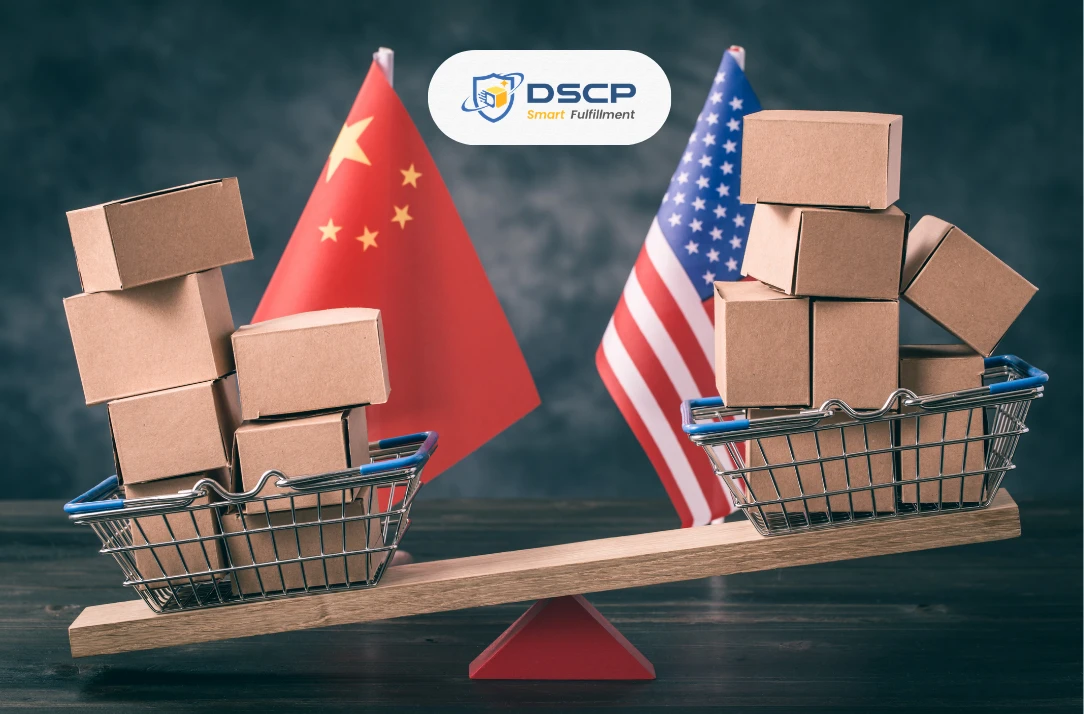
US vs China Fulfillment: Cost, Speed and Capital Compared
Most sellers assume China is cheaper. On our own orders it is not: for light items a US warehouse costs less per order and lands in 2 to 4 days instead of 7 to 12.
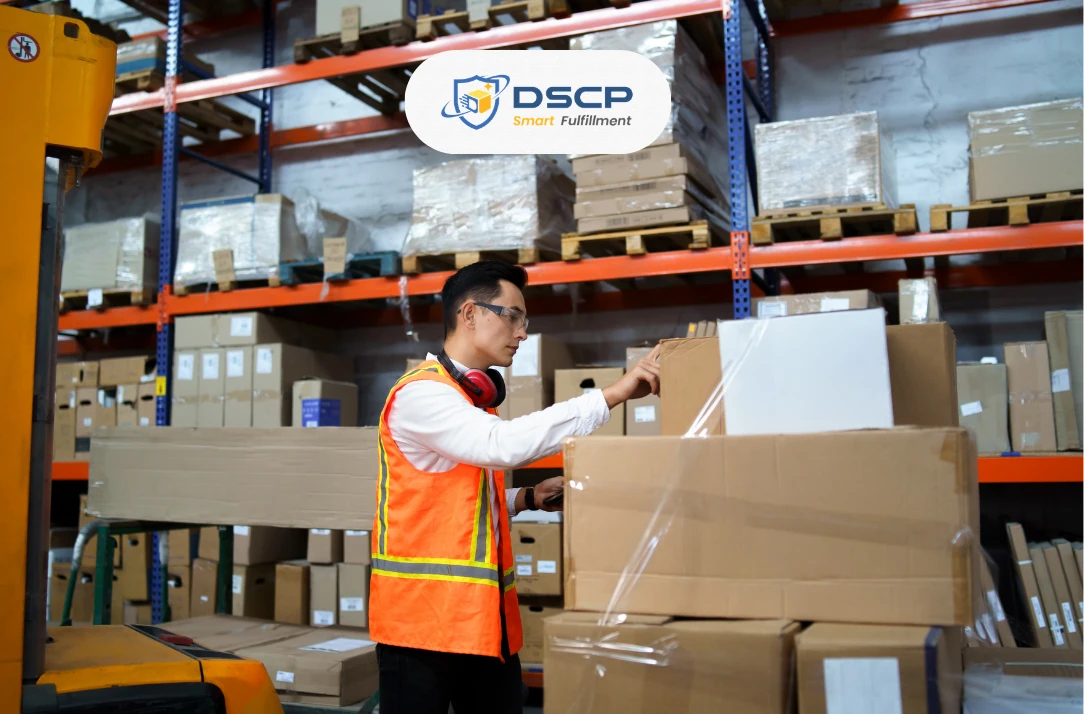
3PL Philadelphia: What to Check Before You Sign
Most Philadelphia 3PLs sit within 60 miles of the city and deliver in the same one to two days. Here is what actually differs, and the four questions to ask.