
3PL Philadelphia: What to Check Before You Sign
Search for a 3PL in Philadelphia and almost every result is a directory listing or a page with no prices on it. The providers that come up are scattered across three states, in Middletown, Lakewood, Mount Laurel, New Brunswick and the city itself, and every one of them reaches a Philadelphia doorstep in about the same time. That is the part nobody explains.
Philadelphia sits in the middle of the northeast corridor, the densest stretch of buyers in the country, and ground parcels move across it in a day or two from almost anywhere inside it. So the pin on the map is not the decision. What happens inside the building is, and the fastest way to compare is to ask what a provider charges, when they stop picking for the day, and how long a pallet sits on their dock before it is sellable.
Key Takeaways for 3PL Philadelphia
- Philadelphia is served by warehouses across Pennsylvania and New Jersey, and most of them reach the city in one to two days by ground, so location is rarely the deciding factor.
- Very few providers in this market publish a rate card, which makes comparing quotes slow and makes surprise fees easy to hide.
- The dispatch cut-off matters more than the miles. An order picked tonight beats one picked tomorrow morning from a closer building.
- Receiving speed decides how fast new stock becomes sellable, and it is the step most brands never ask about.
- DSCP Smart Fulfillment publishes its pick and pack rates, ships same day on orders released by 5 PM EST from New Brunswick, New Jersey, and handles kitting and assembly in the same building.
What Is a Philadelphia 3PL?
A Philadelphia 3PL is a third-party logistics provider that stores your inventory and ships your orders into the Philadelphia and wider Delaware Valley market, usually from a warehouse somewhere in the corridor running between southeastern Pennsylvania and central New Jersey rather than from inside the city itself.
Parcel carriers treat that corridor as a single ground region, so a warehouse in Middletown, Mount Laurel or New Brunswick reaches a Philadelphia address in roughly the same time as one in the city, while also covering New York, Baltimore and Washington from the same stock. Because the delivery difference between these locations is small, brands compare them on pricing transparency, how late orders can be released and still ship the same day, how quickly inbound stock is received, and whether the provider can assemble bundles or kits rather than only pick and pack.
Why the Address Is Not the Decision
Philadelphia’s advantage is that it sits in the middle of everything. The corridor from Washington up to Boston holds an enormous share of US buying power in a narrow band, and a parcel leaving any warehouse inside that band crosses very few shipping zones to reach any other point in it. Which is why providers in five different towns all advertise the same one to two day Philadelphia coverage, and all of them are telling the truth.
Sixty miles sounds like a lot until you compare it to the alternative. A warehouse in the Midwest or the South is a different proposition entirely, adding zones and a day or more to every Philadelphia order. Inside the corridor, the spread is noise. Outside it, it is your shipping bill.
There is a second reason to look past the city limits. A warehouse positioned toward the northern end of the corridor covers Philadelphia and New York and Boston from one stock pool, while one sitting inside Philadelphia is optimized for a single metro. If your orders spread across the northeast, splitting the difference serves more of them.
The Four Things That Actually Differ
Whether you can see the price
Most providers in this market quote custom rates and publish nothing, which means you cannot compare two of them without going through two sales processes first. Ask for the pick and pack rate for the first item and each additional item, the storage basis and unit of measurement, receiving, returns handling and any monthly account fee, all in writing before you commit inventory. A provider that will put the numbers on paper before you sign is telling you something about how the invoices will read later.
When they stop picking
This is the number that quietly beats distance. An order released at 4 PM and handed to a carrier that evening is a full day ahead of the same order picked the next morning from a warehouse fifteen miles closer. Ask what the daily cut-off is, whether it holds through peak season, and what proportion of orders actually make it out on the day they arrive.
How fast new stock becomes sellable
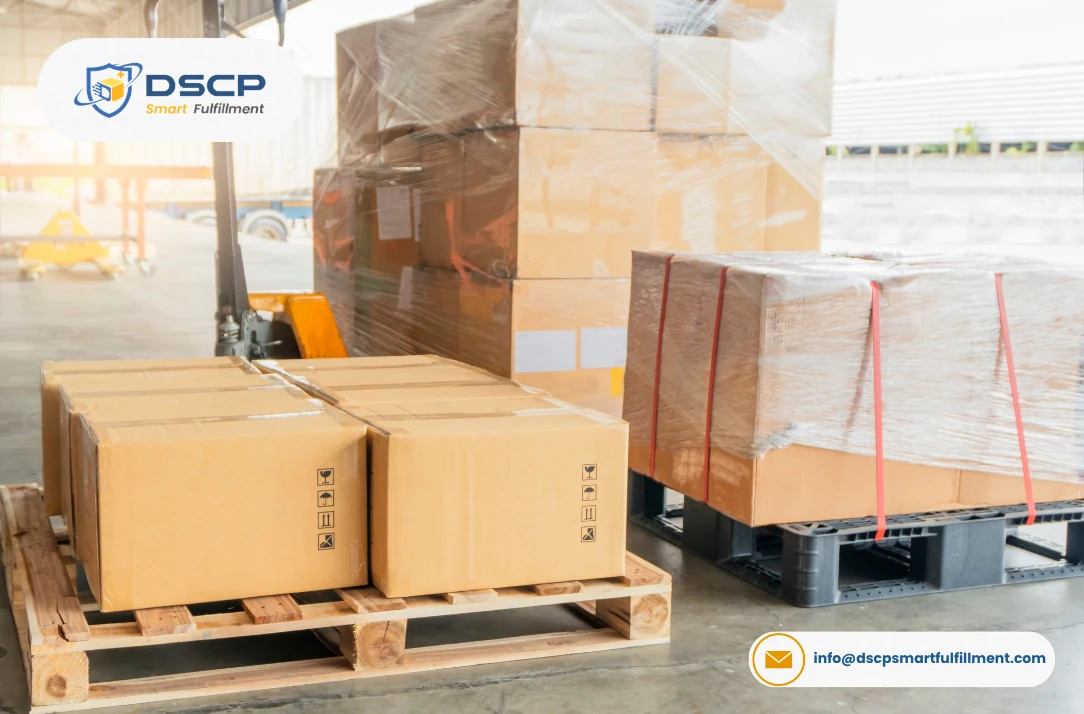
Almost nobody asks this, and it causes more stockouts than carrier delays do. A pallet that arrives on Monday and is not counted, inspected and put away until Friday is four days of inventory you paid for and could not sell. Ask how long receiving takes from arrival to live stock, whether quantities are checked against your purchase orders on the dock, and how you find out if something is short.
Whether they can build your product, not just ship it
If you sell bundles, gift sets, subscription boxes or anything that arrives as components from more than one supplier, pick and pack alone will not cover you. The provider needs to receive parts arriving on different dates from different sources, hold them together, assemble, add inserts or labels, then fulfill from the same building. Ask this early, because a provider that cannot do it will not tell you until it becomes a problem.
| What to Ask | Why It Changes Your Numbers | A Weak Answer Sounds Like |
|---|---|---|
| What are your published rates? | Sets your cost per order and whether you can compare at all | “Pricing depends, let’s get you on a call” |
| What is the daily dispatch cut-off? | Decides whether today’s orders ship today or tomorrow | “Most orders go out same day or next day” |
| How long does receiving take? | Sets how long new stock sits unsellable after it lands | “As soon as we can get to it” |
| Can you assemble kits and bundles? | Determines whether you need a second vendor | “We can look into that for you” |
Serving Philadelphia From New Brunswick
DSCP Smart Fulfillment ships Philadelphia orders from its east coast 3PL warehouse in New Brunswick, New Jersey, about 60 miles up the corridor, which puts the city inside the same one to two day ground band while the same stock also covers New York, Boston, Baltimore and Washington.
On the four questions above, the answers are on the record rather than in a sales call. Pick and pack is published at $1.50 for the first item and $0.30 for each additional one, with no hidden fees. Orders released by 5 PM EST are picked, packed and handed to a carrier the same day at 99.9% accuracy.
Receiving completes within 24 to 48 hours of arrival, with quantities verified against your purchase orders on the dock and each SKU given its own location, so a short shipment surfaces immediately rather than when an order cannot be filled. And the first 100 units get 30 days of storage at no cost, after which you are billed on the space you actually occupy.
On the fourth question, kitting and assembly runs in the same building as fulfillment. Components arriving from several suppliers on different dates are received, checked against your purchase orders and held together until the set is complete, then assembled, packed with your inserts and labels, quality checked and stored ready to ship. Multi-SKU bundles, gift sets, recurring subscription kits, retail-ready packaging and launch or influencer kits all run through the same workflow, so you are not coordinating an assembly vendor and a fulfillment vendor and hoping the counts line up.
The Shopify integration is native, with a REST API for custom-coded stores, and every account has a dedicated manager who answers quickly and knows your SKUs. For brands selling nationally, a second warehouse in Pomona, California runs the same systems, so fast-moving items can sit on both coasts.
Get Philadelphia Numbers You Can Compare
Send your monthly order volume, average units per order, packaged weights and SKU count, and we will come back with every line itemized, including the charges most quotes leave out. Get in touch to see the numbers before you commit anything.
Conclusion
Philadelphia is an easy market to ship into and a hard one to compare providers in, because the geography that makes it easy also makes every option look identical. Once you accept that the address is close to irrelevant inside the corridor, the real questions get simple: can you see the price, how late can you send orders, how fast does new stock go live, and can they build your product as well as ship it. Ask those four and the shortlist sorts itself out quickly.
US vs China Fulfillment: Cost, Speed and Capital Compared
Most sellers assume China is cheaper. On our own orders it is not: for light items a US warehouse costs less per order and lands in 2 to 4 days instead of 7 to 12.

New York 3PL Warehouse: Serving NYC From New Jersey
The Port of New York and New Jersey moved 8.9 million containers in 2025, and almost none stopped in the city. Here is why New York fulfillment happens in New Jersey.