
10 White Label Products That Actually Sell in 2026

The white label model lets you build a branded product line without the cost and complexity of manufacturing from scratch. But the model only works if you choose products with real demand, sustainable margins, and repeat purchase potential. Most white label listicles recycle the same generic suggestions year after year. This guide takes a different approach: every product on this list is backed by current market data and selected for categories where e-commerce brands can genuinely compete.
US private label sales hit a record $282.8 billion in 2025, and 99.9% of American households purchased at least one private label product during the year (PLMA, 2026). Consumer willingness to buy from independent and store-branded labels has never been higher. The opportunity is real, but so is the competition. Choosing the right product category is the decision that separates a profitable white label brand from one that gets lost in a saturated marketplace.
If you are still deciding whether white label is the right model for your business, our comparison guide on white label vs private label breaks down the key differences. If you are ready to choose what to sell, this list is your starting point.

Key Takeaways for the 10 White Label Products That Actually Sell
- The best white label products for 2026 combine proven market demand with strong repeat purchase behavior and room for brand differentiation through packaging and positioning.
- Skincare, supplements and pet products lead in both market growth and margin potential, with gross margins ranging from 50 to 70%.
- Lower-margin categories like phone accessories and reusable drinkware remain viable because of consistent demand and low per-unit sourcing costs.
- Successful white label brands do not just pick a trending product. They choose a category where their branding, audience and fulfillment strategy create a competitive advantage.
What Makes a Good White Label Product?
| Selection Criteria | Why It Matters | Red Flag If Missing |
|---|---|---|
| Consistent demand | Protects against seasonal crashes and trend dependency | Sales only spike during viral moments then disappear |
| Repeat purchase behavior | Reduces customer acquisition cost over time | Product is a one-time buy with no reorder cycle |
| Margin headroom (40%+) | Covers sourcing, fulfillment, marketing and still profits | Retail price is too close to landed cost to sustain growth |
| Differentiation potential | Prevents pure price competition against identical products | No meaningful way to differentiate through branding or niche |
| Fulfillment-friendly | Keeps shipping costs manageable and reduces damage risk | Heavy, fragile or oversized items that inflate DIM weight |
Not every product works in the white label model. Before reviewing the list, here are the criteria that separate strong candidates from weak ones:
- Consistent demand that does not depend on a single trend cycle or viral moment
- Repeat purchase behavior where customers reorder regularly, rather than buying once
- Margin headroom that allows you to price competitively while covering sourcing, fulfillment and marketing costs
- Differentiation potential through packaging, positioning, or niche targeting, even when the base product is similar across sellers
- Practical fulfillment characteristics, including manageable weight, non-fragile materials and standard shipping requirements
The 10 Products
1. Skincare (Serums, Moisturizers and Cleansers)

The global skincare market is valued at approximately $132 billion in 2026 and is projected to reach $240 billion by 2035, growing at a CAGR of 6.9% (Towards Healthcare, 2026). In the US alone, 89% of adults purchase skincare products, and 46% follow a daily routine (Tricos University, 2026). This creates a massive addressable market with built-in repeat purchase behavior.
White label skincare works because consumers buy based on brand trust, ingredient positioning and packaging quality rather than proprietary formulas. A well-branded vitamin C serum or hyaluronic acid moisturizer with clean packaging can compete directly with established brands at a fraction of the development cost. Focus on a specific niche (men’s skincare, sensitive skin, minimalist routines) rather than trying to serve everyone.
Typical gross margins: 50 to 70%.
2. Health Supplements and Vitamins

The global dietary supplements market was valued at approximately $155 billion in 2022 and is projected to reach $220 billion by 2027, growing at a CAGR of 7.3% (Business Wire, cited in Crawlapps, 2026). Categories experiencing the strongest growth include gut health probiotics, collagen peptides, magnesium and adaptogen blends.
Supplements are one of the highest-margin white label categories because formulations are standardized and manufacturers often provide compliance-ready products with FDA-compliant labeling. The key differentiator is your brand positioning: who the supplement is for, what specific problem it solves and how your packaging and content build trust. Subscription models work exceptionally well here because supplements are consumed daily.
Typical gross margins: 50 to 70%.
3. Pet Products (Treats, Grooming and Supplements)

Approximately 40% of US households own a dog, and pet owners consistently spend more on products that improve their pet’s health and comfort (Crawlapps, 2026). The pet care market is driven by emotion rather than utility, which creates strong brand loyalty and frequent reorders.
White label pet treats, grooming sprays, dental chews and pet supplements are all viable entries. The “natural and clean ingredient” positioning has become particularly important as owners increasingly treat pets like family members. This is a category where niche targeting wins: a brand focused exclusively on senior dog wellness or organic cat treats builds a more defensible position than a generalist pet products store.
Typical gross margins: around 50%.
4. Coffee and Specialty Beverages

The specialty coffee market exceeded $100 billion in value in 2024, and consumer demand for premium, single-origin and functional coffee blends continues to grow (Shopify, 2026). White label coffee is appealing because the product is consumable, the reorder cycle is short (two to four weeks), and the perceived value of branded coffee is high relative to the production cost.
Beyond standard coffee, functional beverages are trending strongly: mushroom coffee, adaptogen lattes and collagen-infused blends are gaining traction on TikTok and Instagram, particularly among health-conscious consumers aged 25 to 40. The key is choosing a specific angle rather than competing as another generic coffee brand.
Typical gross margins: 40 to 60%.
5. Fitness Accessories and Resistance Bands

The global athleisure market is valued at approximately $390 billion in 2024 and is projected to exceed $940 billion by 2034 (Crawlapps, 2026). Within this broader trend, fitness accessories like resistance bands, yoga mats, massage balls and foam rollers represent a lower-cost entry point for white label sellers.
These products work well because they are lightweight, easy to ship and naturally complement each other in bundles. A brand targeting a specific micro-niche (home workout beginners, postpartum fitness, yoga practitioners) can create a product ecosystem rather than selling single items. Bundling two to three accessories together increases average order value and reduces per-unit shipping costs.
Typical gross margins: 40 to 50%.
6. Reusable Water Bottles and Drinkware

Sustainability-driven consumer behavior has turned reusable bottles into an everyday essential rather than a seasonal product. White label drinkware is one of the simplest categories to enter because the product is standardized, MOQs are low and branding through colors, finishes and packaging design creates meaningful differentiation.
Stainless steel insulated bottles, glass bottles with silicone sleeves and branded travel mugs all perform well. The product is highly giftable, which creates seasonal sales spikes during the holidays. One seller in an e-commerce discussion on Reddit noted that branded drinkware was their most consistent seller because the product is visible in daily life, effectively turning every customer into a walking advertisement.
Typical gross margins: 30 to 50%.
7. Phone Accessories (Cases, Chargers and Grips)

With 97% smartphone penetration in key markets, demand for phone cases, wireless chargers and grips is constant and refreshes annually as new phone models launch (Crawlapps, 2026). This creates a reliable replacement cycle that keeps demand steady.
The margins per unit are lower than those for skincare or supplements, but the volume potential is high and the sourcing cost per item is minimal. White label phone accessories work best when you target a specific aesthetic (minimalist, rugged, eco-friendly) or a specific audience (photographers, travelers, fitness enthusiasts) rather than trying to serve the entire smartphone market.
Typical gross margins: 30 to 50%.
8. Candles and Home Fragrance

The home fragrance category continues to benefit from the broader wellness and self-care trend. White label candles are available in a wide range of formats (jar candles, tin candles, wax melts, reed diffusers) and offer high perceived value relative to production cost. A candle that costs $3 to $5 to produce can retail for $20 to $35 with the right branding and packaging.
This category lends itself to seasonal collections and limited editions, which create urgency and encourage repeat purchases. Scent curation is the primary differentiator: brands that develop a signature scent profile or align fragrances with specific moods and experiences build stronger customer loyalty than those selling generic lavender or vanilla.
Typical gross margins: 50 to 65%.
9. Baby and Toddler Essentials
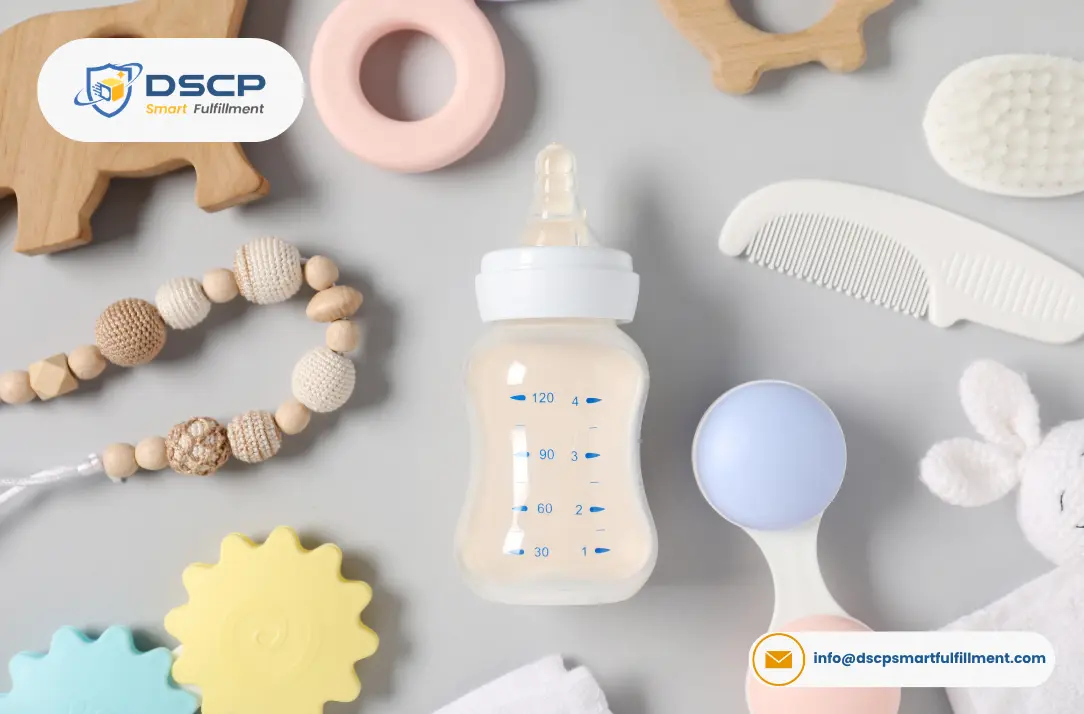
Parents are among the most brand-loyal and quality-conscious consumer segments. Once a parent finds a product they trust for their child, they tend to repurchase consistently and recommend it to other parents. White label baby products (organic cotton bodysuits, muslin blankets, teething accessories, baby skincare) serve a market driven by safety, softness and ingredient transparency.
The emotional buying dynamic in this category means consumers will pay a premium for products that feel trustworthy and gentle. Packaging and brand story matter enormously: a clean, minimal brand with clear safety messaging outperforms a generic alternative even when the products are similar.
Typical gross margins: 40 to 60%.
10. Eco-Friendly Home Products

Sustainable household products (bamboo toothbrushes, reusable food wraps, natural cleaning sprays, compostable sponges) tap into a growing consumer preference for environmentally responsible purchasing. This category performs well as a white label play because the sustainability positioning itself is the brand differentiator.
Bundling works particularly well here. A “starter kit” of five to seven eco-friendly household swaps creates a higher average order value than selling individual items and gives new customers a reason to try multiple products at once. Subscription models (monthly eco-friendly product boxes) can also extend customer lifetime value significantly.
Typical gross margins: 40 to 55%.
| Product Category | Gross Margin | Repeat Purchase | Best Positioning Strategy |
|---|---|---|---|
| Skincare | 50% – 70% | High (monthly) | Niche targeting (men’s, sensitive skin, minimalist) |
| Health Supplements | 50% – 70% | High (daily use) | Subscription model with specific health focus |
| Pet Products | ~50% | High (regular) | Niche species or life stage (senior dogs, organic cat) |
| Coffee and Beverages | 40% – 60% | High (bi-weekly) | Functional blends (mushroom, adaptogen, collagen) |
| Fitness Accessories | 40% – 50% | Medium | Micro-niche bundles (home workout, yoga, postpartum) |
| Reusable Drinkware | 30% – 50% | Low-Medium | Brand visibility through daily use and gifting |
| Phone Accessories | 30% – 50% | Medium (annual) | Aesthetic or audience targeting (minimalist, rugged) |
| Candles and Fragrance | 50% – 65% | Medium-High | Signature scent profiles and seasonal collections |
| Baby Essentials | 40% – 60% | High | Safety-first messaging with clean, minimal branding |
| Eco-Friendly Home | 40% – 55% | Medium-High | Starter kit bundles and subscription boxes |
From Product Selection to Customer Delivery
Choosing the right product is the first step. Sourcing it reliably, maintaining quality standards and getting it to your customer quickly is what turns a product idea into a working business.
For white label brands, the fulfillment side is often where the operation breaks down. Products arrive in oversized manufacturer packaging that inflates shipping costs. Inventory sits in a single warehouse location, limiting delivery speed. Orders spike during a promotion, but the fulfillment operation cannot scale.
At DSCP Smart Fulfillment, we support white label and private label brands from product sourcing and quality control through to US-based fulfillment from warehouses in Pomona, California and New Brunswick, New Jersey for East Coast 3PL warehouse. If you are building a white label brand and need a partner that handles the entire supply chain, reach out to discuss your product and growth goals.

Conclusion
The best white label products for 2026 are not the trendiest or the cheapest to source. They are the ones with consistent demand, repeat purchase behavior and enough room for your brand to stand out through packaging, positioning and customer experience.
Start by choosing one to two product categories that align with an audience you understand. Order samples from multiple suppliers. Test with a small batch before committing to a bulk inventory. And make sure your fulfillment setup can deliver a consistent customer experience from day one, because the product gets them to click buy, but the delivery experience determines whether they come back.