
What Changes After You Switch to US Fulfillment
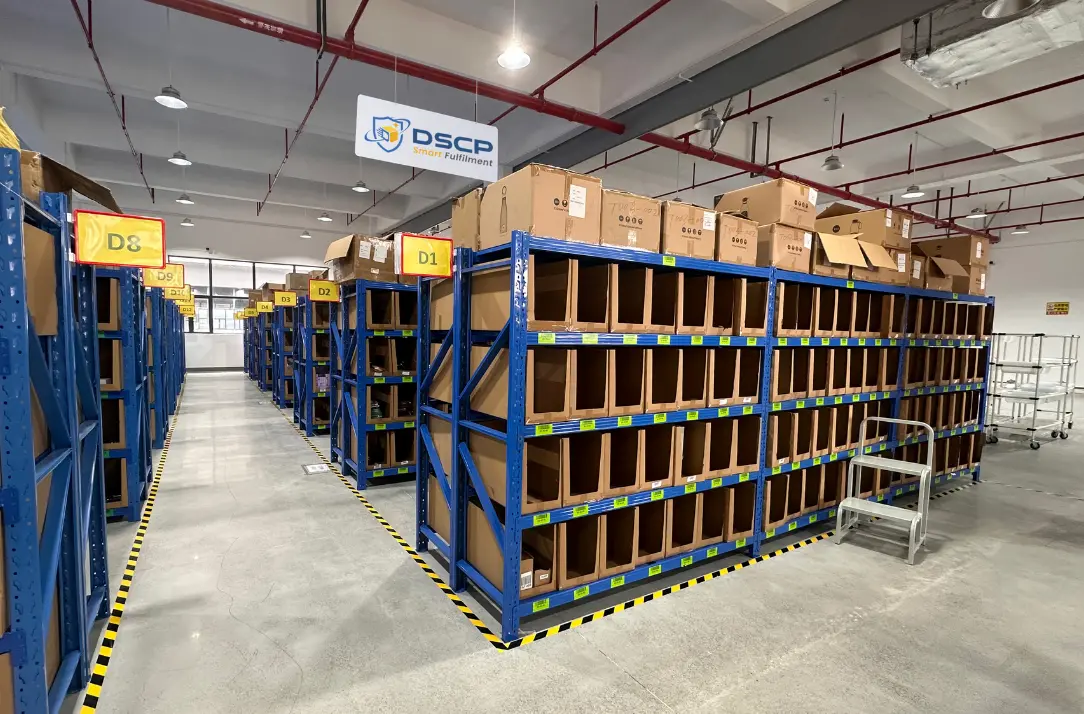
When e-commerce brands consider moving to US-based fulfillment, they usually frame it as a shipping decision. Faster delivery, lower transit costs, happier customers. All true. But the brands that have actually made the switch describe something bigger: it changes how the entire business operates.
The shift is not just about where your orders ship from. It is a move from reacting to orders as they come in, to planning your inventory and supply chain before the orders even happen. That sounds like more work, and at first, it is. But it is also the operational upgrade that separates brands that plateau from brands that scale. As one long-term client who switched put it, the biggest change was not the shipping method. It was having to think further ahead about everything.
This article breaks down what genuinely changes when you move to US fulfillment: the operational mindset, the financial math and the customer experience. The benefits are real, but so are the new disciplines required to capture them.
Key Takeaways for the US Fulfillment
- Switching to US fulfillment is less a shipping change and more an operational upgrade: you move from reacting to orders to forecasting demand before orders happen.
- Faster delivery directly improves the customer experience, and 73% of consumers say timely delivery matters more than low prices.
- US fulfillment often lowers total fulfillment cost while raising repeat purchase rates, because faster, more reliable delivery builds trust and reduces support load.
- The trade-off is that forecasting becomes critical: you decide what to stock, how much and when, before demand materializes.
- The brands that benefit most treat their fulfillment partner as part of their inventory and growth planning, not just a shipping vendor.
The Real Change Is Operational, Not Logistical
The most common misconception about US fulfillment is that it is simply a faster shipping option. The brands that have lived through the transition describe it differently. The shipping speed is the visible benefit. The invisible change, the one that actually reshapes the business, is in how you plan.
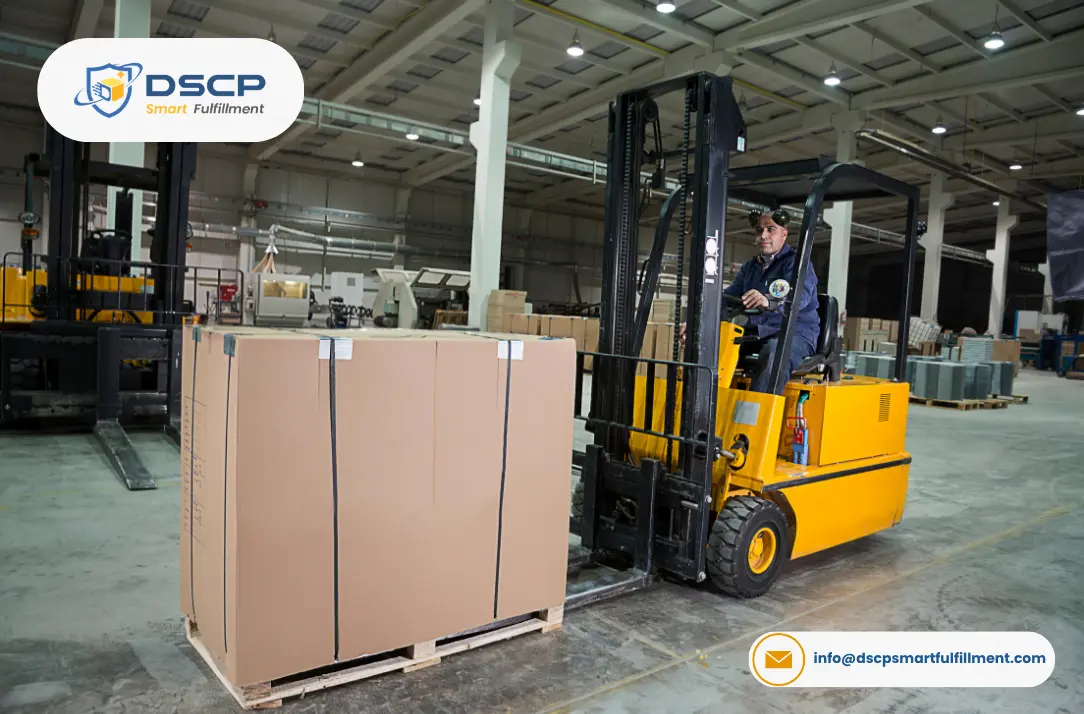
When you ship orders individually as they arrive, you are reacting. An order comes in, and you fulfill it. There is little need to predict the future because you respond to demand in real time. Moving to US local fulfillment flips that model. Now you are pre-positioning inventory in a warehouse ahead of demand, which means you have to answer questions you never had to before:
- Which products are likely to sell well in the coming months?
- How much stock should you prepare for each SKU?
- When does inventory need to arrive at the warehouse?
- If sales exceed your forecast, can you restock in time?
- If sales fall short, how much capital is stranded in unsold inventory?
These are supply chain decisions, and they have to be made before the orders exist. This is the genuine shift. Sellers are no longer just processing orders. They are forecasting demand, planning inventory and making commitments in advance. It is a more sophisticated way to run an e-commerce business, and it is the same discipline that every brand operating at scale eventually has to develop.
The upside is that this discipline pays off. Forecasting forces clarity about which products actually drive your business, where your margins really are and how your demand behaves over time. Brands often discover that the move to US fulfillment makes them better operators overall, not just faster shippers.
| Aspect | Reacting to Orders (Before) | Forecasting Demand (After US Fulfillment) |
|---|---|---|
| Inventory Decisions | Made after orders arrive | Made in advance, before demand materializes |
| Planning Horizon | Short-term, order by order | Weeks to months ahead, by SKU |
| Stock Risk | Minimal inventory commitment | Capital committed before sales, requires forecasting |
| Restocking | Reactive, often slow | Planned, with buffer stock close to customers |
| Operator Skill | Order processing | Demand planning and supply chain strategy |
What Changes Financially
The financial picture is where the switch becomes most compelling, and it often surprises sellers who expected local fulfillment to simply cost more.
Total Fulfillment Cost Often Goes Down
Many sellers assume US fulfillment carries a premium. In practice, the total cost per order frequently decreases. Shipping domestically from a US warehouse close to customers means shorter shipping zones, lower per-package costs and far less reliance on expensive expedited options to meet delivery expectations. When you consolidate inbound inventory into bulk shipments and fulfill locally, the per-unit economics often beat shipping individual orders over long distances.
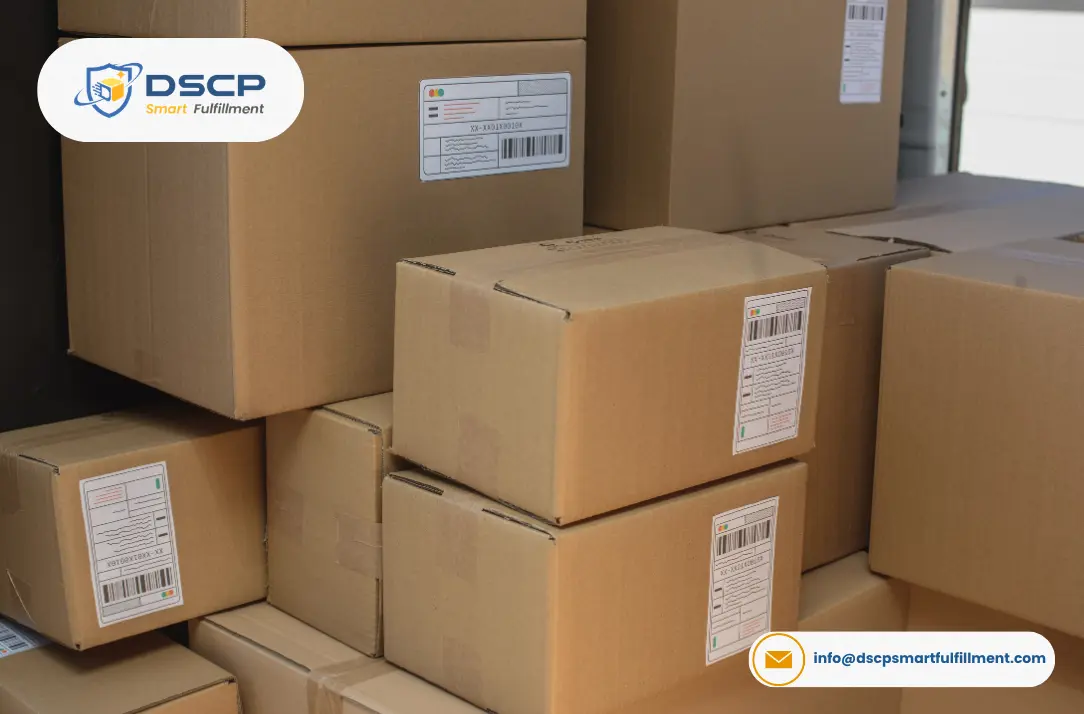
There is also a hidden cost reduction that does not show up on a shipping invoice: fewer after-sales problems. Faster, more reliable delivery means fewer refund requests, fewer “where is my order” support tickets and fewer negative reviews tied to slow shipping. One client who switched fully to US fulfillment described looking only at the metrics that mattered to him: cost per order, cash tied up in inventory, profit health and shipping stability. After a year, his total fulfillment cost had gone down while his business ran more smoothly.
The Trade-Off: Capital and Forecasting
The financial upside comes with financial discipline. Pre-positioning inventory means committing capital to stock before it sells. That requires accurate forecasting, because over-ordering ties up cash in unsold goods while under-ordering risks stockouts during peak demand. This is the same tension we explored in our guide on whether to send Q4 inventory to a US warehouse early. The brands that manage it well treat inventory as a deliberate investment decision rather than an afterthought.
| What Changes | The Impact | Supporting Data |
|---|---|---|
| Faster delivery | Lowers checkout hesitation and cart abandonment | 43% abandon over slow shipping |
| Meeting the 2-day expectation | Keeps you competitive with major marketplaces | 74% expect delivery within 2 days |
| Reliable post-purchase experience | Builds trust and drives repeat purchases | 98% say delivery affects brand loyalty |
| Timely delivery over low price | Speed becomes a stronger draw than discounting | 73% value timely delivery over low prices |
| Fewer delivery problems | Reduces refunds, support tickets and bad reviews | Hidden cost savings beyond shipping |
What Changes for Your Customers
The customer-facing benefits are the most immediately visible, and they compound over time.
Faster Delivery Builds Trust and Conversions
Delivery speed has become a primary driver of purchasing decisions. Research shows that 62% of online shoppers consider shipping speed critical to a positive experience, and 43% have abandoned a cart or a retailer due to slow shipping (Capital One Shopping, 2026). When your products ship from a US warehouse, you can deliver in two to four days rather than the much longer windows associated with distant fulfillment. That speed reduces the hesitation shoppers feel at checkout because fast, trackable delivery lowers the perceived risk of buying.
The expectation is now firmly set. 74% of shoppers expect delivery within two days, and 73% of consumers say timely delivery is more important than low prices (Opensend, 2026; Worldmetrics, 2026). A brand that cannot meet that expectation is competing at a disadvantage regardless of product quality or price.
Faster Delivery Drives Repeat Purchases
This is the benefit sellers most consistently underestimate. US fulfillment does not directly improve your ad performance. What it does is improve the post-purchase experience, and that drives retention. When customers receive orders quickly and reliably, they trust the brand more and come back. One client who made the switch saw exactly this in his store data: his repeat purchase rate clearly rose after moving to US local fulfillment, even though nothing about his advertising had changed.
The logic is straightforward. 98% of consumers say the delivery experience directly impacts their brand loyalty (Opensend, 2026). Repeat customers are more profitable than first-time buyers, so a lift in repeat purchase rate flows directly to the bottom line. Faster delivery is not just a conversion tool. It is a retention engine.
Your Fulfillment Partner’s Role Changes Too

There is one more shift worth understanding because it determines whether the move actually delivers on its promise. When a seller transitions from reacting to orders to planning, the fulfillment partner’s role has to change with it.
A partner that simply ships boxes is not enough once you are forecasting demand and pre-positioning inventory. You need a partner that can answer the questions the new model raises: How quickly can you restock if sales spike? Is there a backup plan if inventory runs short? Can returns be handled locally? Can the partner support packaging, quality checks, labeling and receiving requirements as you scale?
In other words, the fulfillment partner stops being a vendor and becomes part of your inventory and growth planning. The best partners think ahead alongside you, flagging risks before they become problems and scaling capacity as your demand grows. This is exactly how DSCP Smart Fulfillment works with brands, operating from US warehouses in Chino, California and New Brunswick, New Jersey to provide not just fast e-commerce fulfillment but the flexibility and planning support that growing brands need. If you are considering the switch, get in touch to talk through what it would look like for your business.
Conclusion
Switching to US fulfillment changes more than your shipping label. It changes how you plan, how your money works and how your customers experience your brand. You move from reacting to orders to forecasting demand. Your total fulfillment cost often drops while your repeat purchase rate rises. And your fulfillment partner becomes part of how you plan for growth rather than just a service you pay for.
The transition asks more of you, mainly in the form of sharper forecasting and earlier inventory decisions. But that discipline is exactly what scaling brands develop, and the payoff shows up in lower costs, higher retention and a customer experience that competes with the fastest players in the market. For brands ready to operate at the next level, the switch is less an expense and more an upgrade.

How to Start a Skincare Brand: A US Launch Checklist
A step-by-step US launch checklist for new skincare brands: choosing a formula, FDA and MoCRA rules, labels, barcodes, real launch fees and fulfillment.
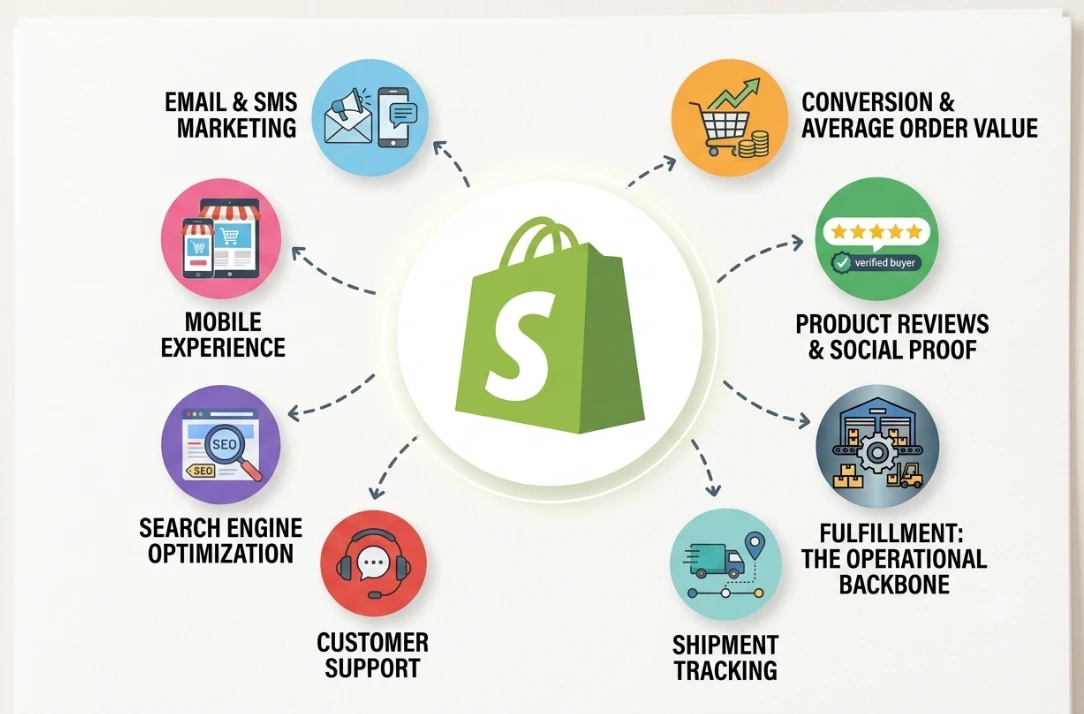
9 Shopify Apps Every New Store Should Install in 2026
The 9 best Shopify apps every new store needs in 2026, organized by job, from email and reviews to fulfillment. Build a lean stack that actually performs.