Dropshipping vs Fulfillment: When to Make the Switch
Most Shopify stores start with dropshipping. It is easy to see why: no inventory to buy, no warehouse to manage, no upfront risk. You list products, a customer orders, and a supplier ships it directly. But somewhere along the growth curve, the model that made it easy to start becomes the thing holding you back. Slow shipping, thin margins and zero control over quality start costing you customers faster than you can acquire them.
That is the moment this guide is about. The question is not whether dropshipping or fulfillment is better in the abstract. Each fits a different stage of a business. The real question is when a growing store should stop dropshipping and switch to holding inventory with a real fulfillment operation. Getting the timing right protects your margins and your brand. Getting it wrong in either direction costs you money: switch too early and you tie up cash you do not need to; wait too long and slow delivery caps your growth.
This guide breaks down both models, the honest trade-offs and the specific signals that tell you it’s time to make the switch.
Key Takeaways for Dropshipping vs Fulfillment
- Dropshipping requires no inventory and minimal upfront cost, but sacrifices control over shipping speed, quality and branding.
- Fulfillment means holding inventory in a warehouse and shipping orders yourself or through a 3PL, which delivers faster, more reliable, branded delivery.
- The clearest signals to switch are consistent sales, slow shipping complaints, thin margins and a desire to build a real brand.
- Fast delivery is a competitive necessity: 63% of consumers will switch retailers if shipping takes longer than two days (Capital One Shopping, 2026).
- Many growing brands use dropshipping to test products, then move proven winners into fulfillment for speed and margin.
What Is Dropshipping?
Dropshipping is an e-commerce model where a store sells products it does not hold in stock. When a customer places an order, the store forwards it to a third-party supplier, who ships the product directly to the customer. The store never handles inventory or packaging. The best-known tool for this on Shopify is DSers, which connects a store to AliExpress suppliers and automates order forwarding. Dropshipping’s appeal is low risk and low startup cost, but it comes with long shipping times and little control over product quality or the customer experience.

What Is Fulfillment?
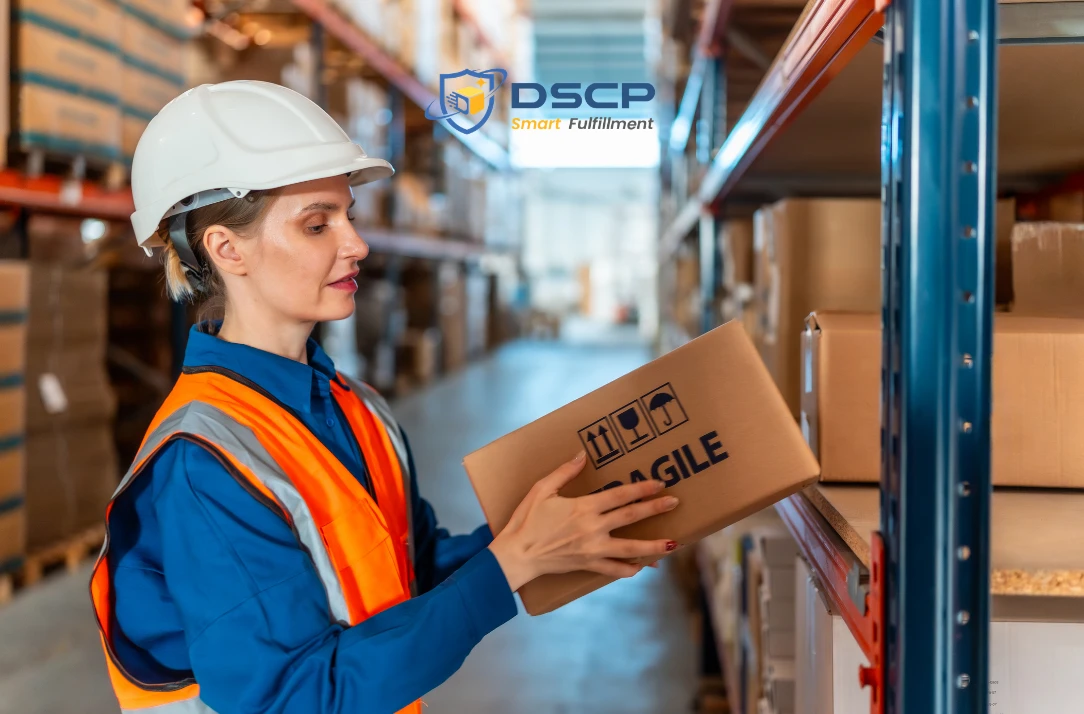
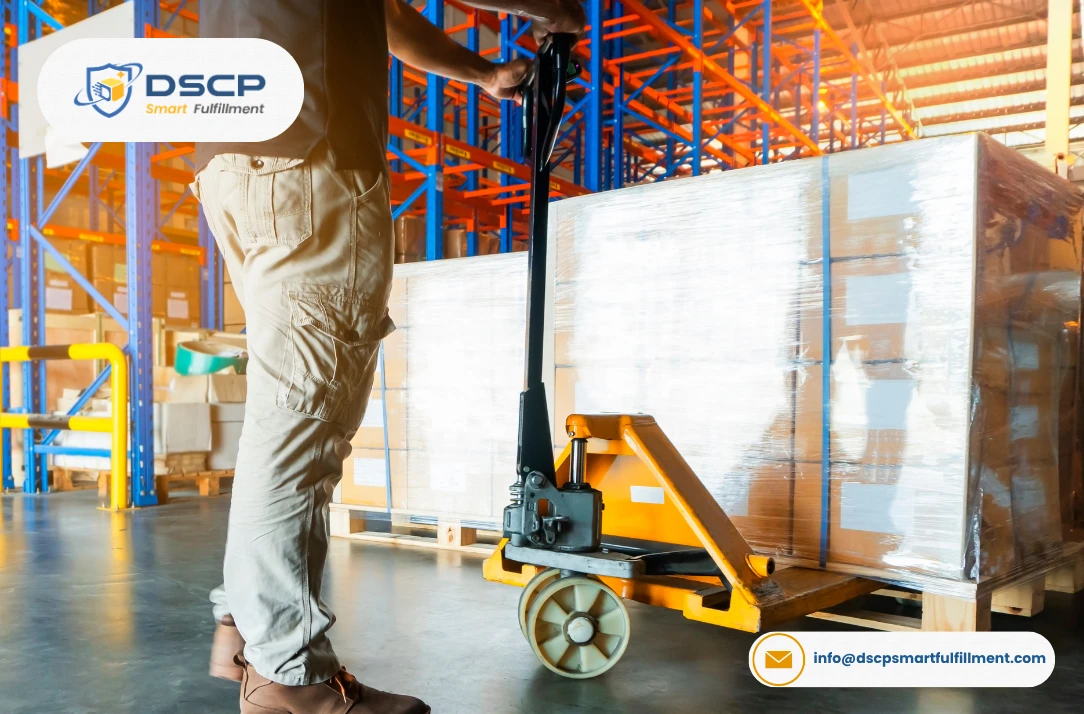
Fulfillment is the model where a store holds its own inventory, either in-house or with a third-party logistics (3PL) partner, and ships orders from that stock. When a customer orders, the product is picked, packed and shipped from a warehouse the store controls. This requires buying inventory upfront, but it delivers faster shipping, consistent quality, branded packaging and full control over the customer experience. For brands selling to US customers, fulfillment from US warehouses means two-to-four-day delivery instead of the multi-week transit times common with dropshipping.
| Factor | Dropshipping | Fulfillment |
|---|---|---|
| Upfront Cost | Minimal, no inventory purchase | Higher, you buy inventory in advance |
| Shipping Speed | Slow, often 1 to 3 weeks | Fast, 2 to 4 days from US warehouses |
| Quality Control | None, you never see the product | Full, inventory inspected before shipping |
| Branding | Generic packaging, no brand | Branded packaging and unboxing |
| Margins | Thin, high per-order costs | Healthier, bulk per-unit pricing |
| Best For | Testing products, starting out | Scaling proven winners, building a brand |
Dropshipping: The Honest Trade-Offs
Dropshipping is the most accessible entry point into e-commerce, and for good reason. But its strengths and weaknesses are two sides of the same coin.
The advantages are real. You need almost no upfront capital because you do not buy inventory until a customer has already paid. There is no warehouse to rent, no stock to manage and minimal risk if a product does not sell. This makes dropshipping an excellent way to test new products and validate demand before committing money to inventory.
The disadvantages are just as real, and they grow as you scale. Shipping times are long, often one to three weeks when products ship from overseas suppliers, which frustrates customers raised on two-day delivery. You have little to no control over product quality, since you never see the item before it reaches the customer. Packaging is generic, with no branding, so every unboxing is forgettable. Margins are thin because supplier and platform costs eat into every sale. And you are dependent on a supplier you do not control for the entire customer experience. When something goes wrong – a defective product, a stockout, a shipping delay, it is your brand that takes the blame and your customer you lose.
For a store still finding its footing, these trade-offs can be worth it. For a store with proven demand, they become a ceiling.
Fulfillment: The Honest Trade-Offs
Fulfillment flips the equation. It asks more of you upfront and rewards you with control and speed.
The advantages are what growing brands need. Shipping is fast, especially when inventory sits in warehouses close to your customers, which turns delivery from a liability into a selling point. Quality is controlled because your inventory is inspected and stored properly before it ships. Packaging is branded, so every order reinforces your brand instead of undermining it. Margins are healthier because you buy inventory in bulk at lower per-unit cost. And you own the customer experience end to end, which is the foundation of repeat business and a real brand.
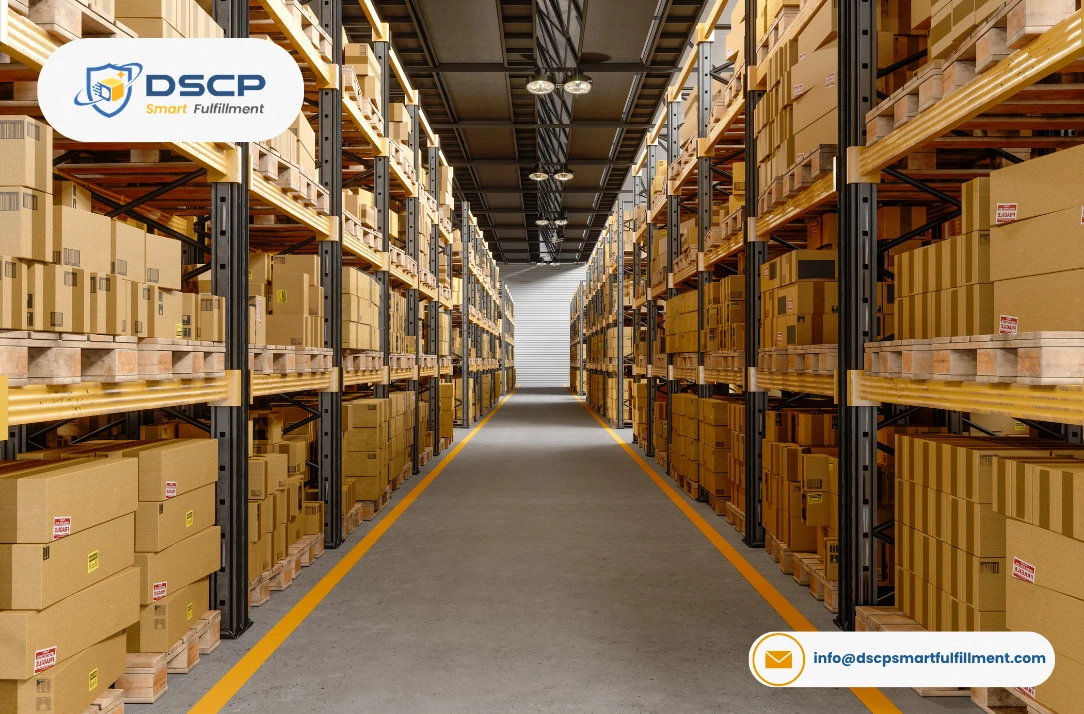
The trade-off is the upfront commitment. You buy inventory before you sell it, which ties up capital and requires forecasting demand. You need somewhere to store and ship it, which is where a 3PL partner replaces the warehouse you would otherwise run yourself. This is a more sophisticated way to operate, but it is also the model that every brand building for the long term eventually adopts.
When to Make the Switch: The Signals
The decision to move from dropshipping to fulfillment is rarely about a single number. It is about a pattern of signals that, together, tell you the model that got you started is now capping your growth. Here are the clearest ones.
- Your sales have become consistent: This is the most important signal. Once a product sells steadily and predictably, the demand risk that made dropshipping attractive has largely disappeared. Proven demand is what justifies investing in inventory. When you can forecast that a product will sell, holding stock stops being a risk and becomes an advantage.
- Customers are complaining about shipping times: If your reviews and support inbox are filling with “where is my order” messages, slow dropshipping delivery is actively costing you sales and repeat customers. With 63% of consumers willing to switch retailers over shipping slower than two days, this is not a minor issue (Capital One Shopping, 2026). It is a growth ceiling.
- Your margins are too thin to scale: Dropshipping’s per-unit costs leave little room for profit, and even less for the advertising you need to grow. Buying inventory in bulk through fulfillment improves your margins, giving you the room to reinvest in acquisition and actually scale.
- You want to build a real brand: Generic packaging and inconsistent quality make it nearly impossible to build brand loyalty. If you are serious about repeat customers and a recognizable brand, you need control over quality, packaging and the unboxing experience, which only fulfillment provides.
- Quality issues are damaging your reputation: If you are getting returns and complaints tied to product defects you cannot control, that is a direct signal. Holding and inspecting your own inventory eliminates the quality lottery of dropshipping.
When two or more of these signals are present, the math has usually already tipped in favor of fulfillment. The question shifts from whether to switch to how to do it without disrupting your business.
| Signal | What It Means | Why It Points to Fulfillment |
|---|---|---|
| Consistent sales | A product sells steadily and predictably | Proven demand removes the inventory risk |
| Shipping complaints | Customers frustrated by slow delivery | Fast local shipping stops the churn |
| Thin margins | Little room for profit or ad spend | Bulk inventory improves per-unit cost |
| Brand goals | You want repeat customers and loyalty | Control over quality and packaging |
| Quality issues | Returns and complaints from defects | Holding stock lets you inspect it first |
The Hybrid Path: Test, Then Switch
The switch does not have to be all-or-nothing, and for many smart operators it is not. A common and effective strategy is to use both models for what each does best: dropship new, unproven products to test demand cheaply, then move the proven winners into fulfillment for speed, margin and brand control.
This approach captures the strengths of both. Dropshipping remains your low-risk product laboratory, letting you validate new items without buying inventory. Fulfillment becomes the engine for your established bestsellers, where fast, branded, reliable delivery drives repeat purchases and protects your reputation. As a product proves itself, it graduates from one model to the other. This lets you keep testing widely while giving your winners the fulfillment experience they need to maximize revenue.
For stores running this hybrid path, the key is a fulfillment partner that can scale with you as more products graduate from testing to proven. Our guide on how Shopify order fulfillment works walks through what that operation looks like in practice.
How to Make the Switch Smoothly
Once the signals are clear, moving from dropshipping to fulfillment is straightforward if you approach it in order:
- Identify your proven winners: Start with the products that have consistent, predictable sales. These are the safest to hold inventory on and the ones where fast delivery will most improve your results.
- Forecast your inventory: Use your sales history to estimate how much stock you need, starting conservatively and replenishing based on real demand rather than overcommitting.
- Choose a fulfillment partner: For most Shopify stores, a 3PL is the fastest path, since it gives you warehousing, pick and pack and fast shipping without running a warehouse yourself.
- Start with a batch, not your whole catalog: Move your top sellers into fulfillment first, confirm the process works smoothly, then expand.
- Keep testing new products via dropshipping: If the hybrid path fits your business, so you never stop finding your next winner.
Make the Switch With a Partner Built for Shopify
If your store has outgrown dropshipping and you are ready for fast, branded, reliable delivery, DSCP Smart Fulfillment makes the switch simple. The Shopify fulfillment integration connects your store directly, so orders flow in automatically once your inventory is in our warehouses. Orders placed by 5 PM EST ship the same day, pick and pack runs at 99.9% accuracy, and because your stock sits in Pomona, California, and New Brunswick, New Jersey, your customers receive orders in two to four days. You get competitive, transparent pricing with no hidden fees and a dedicated account manager who knows your store. Get in touch to plan your move from dropshipping to fulfillment.

Conclusion
Dropshipping and fulfillment are not rivals. They are tools for different stages of a business. Dropshipping is how you start and how you test, with low risk and low cost. Fulfillment is how you scale, with the speed, quality and brand control that turn one-time buyers into repeat customers.
The switch is not about abandoning one for the other. It is about recognizing when your proven products deserve better than slow shipping and generic packaging. When your sales are consistent, your customers want faster delivery and your margins need room to breathe, it is time. Move your winners into fulfillment, keep testing new products however you like, and give your growing brand the delivery experience it needs to keep growing.

Subscription Box Fulfillment: Getting the Ship Cycle Right
A late or incomplete box is one of the fastest ways to lose a subscriber. Here is how subscription fulfillment really works, and how to keep every cycle on time.
Shopify Bundles and Kitting: What Sellers Need to Know
Bundles lift average order value, until a missing component breaks a kit. Here's how bundles and kitting really work, and how to keep your inventory accurate.